
Pests and Diseases
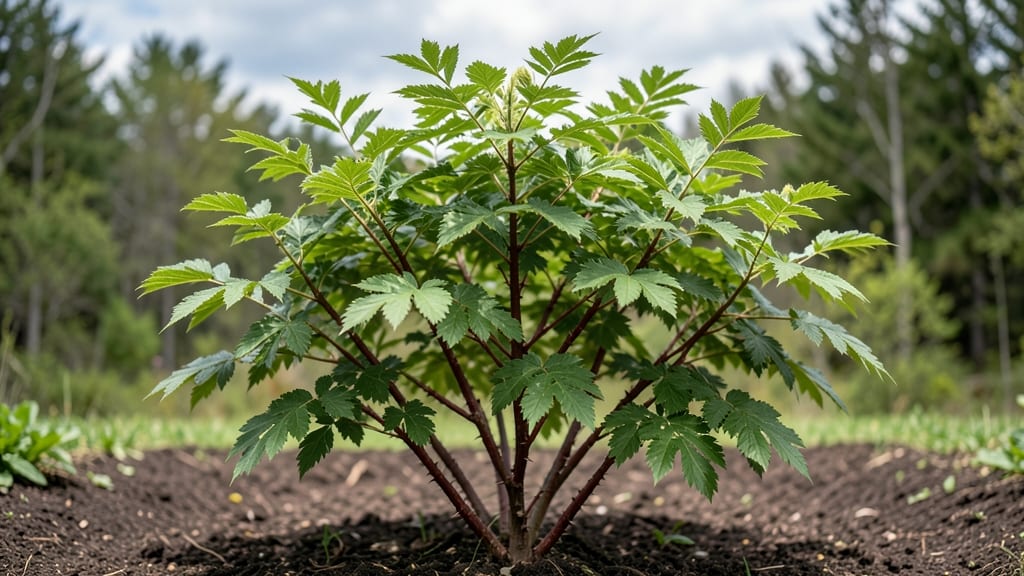
The leaf of sumac is one of nature’s most versatile plants—hardy, drought-tolerant, and packed with uses from landscaping to foraging. 🌿 I’ve grown both smooth and staghorn varieties in my own yard, and they’ve become my go-to for low-maintenance beauty and practical benefits.
Sumac thrives in poor soil and full sun, making it perfect for tough spots where other plants struggle. The feathery leaves turn brilliant red in fall, and the berries attract wildlife while adding texture to winter landscapes.
Whether you’re pruning for shape or harvesting for tea, this shrub delivers year-round interest with almost no effort. You’ll love how sumac leaves transform into edible tea (just dry them first!) or how they feed birds and butterflies.
The plants spread slowly but stay contained, so they won’t overrun your garden. Plus, they resist pests and diseases like few others. Start with one plant, and you’ll wonder why you didn’t add more sooner—it’s that easy and rewarding. Here’s how to get yours growing strong!
📚 In This Guide
- What you need
- Instructions
- Tips and common mistakes
- Wrapping up and next steps
What you need
- ● Sumac plants: 1–3 Rhus spp. (e.g., Rhus typhina or Rhus glabra) seedlings, bare-root plants, or container-grown shrubs (3–5 gallons in size).
- ○ Optional: Wild-harvested sumac seeds (if propagating from seed).
- ● Soil amendments: 5–10 lbs of well-draining soil mix (sandy loam or amended with compost for clay-heavy soils).
- ● 1–2 lbs of organic mulch (wood chips or straw).
- ● Fertilizer: Balanced 10-10-10 fertilizer (1–2 lbs per plant) or slow-release granules.
- ○ Optional: Bone meal (for phosphorus boost during early growth).
- ● Garden trowel or spade.
- ● Pruners (sterilized with rubbing alcohol).
- ● Watering can or hose with a gentle nozzle.
- ● Gloves (to protect from thorns on Rhus typhina).
- ○ Optional: Soil pH tester (ideal range: 6.0–7.0).
- ○ Optional: Drip irrigation system (for large plantings).
- ● Full sun location (6+ hours of direct sunlight daily).
- ● Well-draining soil (sumac hates soggy roots!).
- ● Spaced 6–10 feet apart (for mature shrubs).
- ● Patience: Seed-grown sumac takes 3–5 years to produce vibrant foliage.
How to plant and maintain a sumac shrub for year-round beauty
Here's how I grow this tough, drought-loving shrub with almost no effort.
🌱 Step 1: Choose the Perfect Planting Spot
Sumac thrives in full sun to partial shade, making it perfect for sunny borders or shady woodland edges. I always look for areas with well-draining soil—sumac hates soggy roots. Test your spot by digging a 6-inch hole; if water pools after 30 minutes, amend the soil with 2-3 inches of compost to improve drainage.
This shrub grows 6-12 feet tall and wide, so give it plenty of space. Plant 4-6 feet apart for a natural-looking hedge or 10-15 feet apart for a single specimen. The key is avoiding competition with other plants—sumac spreads aggressively once established, so don't plant near delicate perennials.
🪴 Step 2: Plant Bare-Root or Container-Grown Sumac
If you're planting bare-root sumac, soak the roots in lukewarm water for 1-2 hours before planting to revive them. Dig a hole twice as wide and just as deep as the root ball. For container-grown plants, remove it from the pot and gently loosen the roots if they're circling.
Place the shrub in the hole so the top of the root ball sits 1 inch below soil level. This prevents the stem from rotting as it grows. Backfill with native soil mixed with a handful of bone meal fertilizer (this encourages strong root development). Water deeply to settle the soil and remove air pockets.
☀️ Step 3: Water Deeply and Mulch for Retention
After planting, water the sumac once a week for the first month to help roots establish. You'll know it's getting enough moisture when the soil feels damp 2 inches below the surface. Once established, sumac is drought-tolerant, but young plants need consistent moisture to thrive.
Spread 2-3 inches of mulch (like wood chips or pine straw) around the base, keeping it 6 inches away from the trunk. This locks in moisture and keeps weeds at bay. I always check the mulch layer every few months—if it's broken down, add more to maintain that protective barrier.
✂️ Step 4: Prune for Shape and Health
Sumac doesn't need heavy pruning, but I like to trim it in late winter or early spring before new growth starts. Remove any dead, damaged, or crossing branches with clean, sharp pruners. You can also shape the shrub by cutting back 1/3 of the oldest stems each year—this keeps it bushy and encourages new growth.
If your sumac grows too large, you can prune it back hard in early spring, even to the ground. It'll sprout back quickly, though it may take a season or two to regain its full size. Avoid pruning in fall—new growth won't harden off before winter, and cold damage can occur.
🌿 Step 5: Enjoy Year-Round Interest
Sumac's beauty isn't seasonal—it offers spring flowers, summer foliage, and fiery fall colors. The red berry clusters that appear in late summer also attract birds, adding another layer of interest to your landscape. I love planting sumac near patios or walkways because it provides shade in summer and striking color in fall.
This shrub is also deer-resistant, making it a great choice for rural or suburban properties. With almost no maintenance required, sumac is one of the easiest shrubs to grow. Once established, it'll thrive with just occasional watering and minimal pruning—perfect for busy gardeners.
Tips & tricks for perfect sumac shrub growth
These easy-to-implement tricks will help your sumac thrive with minimal effort and maximum impact.
Soil Test Matters: Before planting, I always do a quick soil test using a simple DIY method—just dig a 6-inch hole and fill it with water. If it drains completely within 30 minutes, your soil is perfect. If not, mix in 2-3 inches of compost to create that well-draining environment sumac loves. This small step prevents root rot and sets your plant up for success from day one.
Pruning Timing Secret: Late winter or early spring is the absolute best time to prune sumac, but I've learned the hard way that timing matters even within that window. Aim for just before new growth appears—usually when you see the first buds swelling. This gives your plant time to recover before summer heat arrives. Never prune in fall, as new growth won't have time to harden off before winter.
Mulch Maintenance Hack: That 2-3 inches of mulch you apply isn't a one-time fix—check it every few months! When mulch breaks down, it loses its moisture-retaining power. I like to refresh it in early spring and after heavy rains. Just keep it 6 inches away from the trunk to prevent rot, and you'll maintain that perfect moisture balance without overwatering.
Plant Spacing Strategy: The 4-6 feet spacing for hedges might seem generous, but trust me on this—sumac spreads aggressively once established. I've seen it create dense thickets where it wasn't wanted. For single specimens, give them 10-15 feet of space to prevent competition with other plants. This spacing also makes future pruning much easier and keeps your landscape looking intentional, not overgrown.
Pro Tips for Leaf Of Sumac
- These easy-to-implement tricks will help your sumac thrive with minimal effort and maximum impact.
- Soil Test Matters: Before planting, I always do a quick soil test using a simple DIY method—just dig a 6-inch hole and fill it with water.
- Pruning Timing Secret: Late winter or early spring is the absolute best time to prune sumac, but I've learned the hard way that timing matters even within that window.
Frequently asked questions
When is the best time to plant sumac leaves?
The ideal time to plant sumac is in early spring or fall, when soil temperatures are mild (50–70°F). This gives roots time to establish before extreme heat or cold. Avoid planting in summer—sumac hates soggy soil and may struggle with transplant shock.
Are sumac leaves prone to pests or diseases?
Sumac is highly resistant to pests and diseases, but watch for aphids or scale insects on young plants. Overwatering can lead to root rot, so ensure well-draining soil. Prune affected branches promptly and maintain airflow to prevent issues.
How long does it take for sumac to grow mature leaves?
Sumac grows fast—expect noticeable foliage in 1–2 years for young plants. Mature size (6–12 ft tall) takes 3–5 years, depending on variety and growing conditions. Patience pays off with vibrant, year-round interest!
Can I use sumac leaves for cooking or tea?
Yes! Staghorn sumac leaves (and berries) are edible and used for sumac tea (a tangy, caffeine-free drink). Harvest young leaves in spring, dry them, and steep for flavor. Avoid toxic varieties like poison sumac—always confirm species before use.
How do I revive a sumac plant with brown leaves?
Brown leaves often signal overwatering or underwatering. Check soil moisture—sumac prefers dry to moderately dry conditions. Trim dead branches, improve drainage, and avoid fertilizing (sumac thrives in poor soil). With adjusted care, it should bounce back!
Wrapping up and next steps
The leaf of sumac is a resilient, low-maintenance powerhouse for any landscape—whether you're battling pests, diseases, or harsh weather. With its hardy nature and minimal care needs, this shrub proves that beauty and durability go hand in hand. 🌿
Ready to transform your outdoor space? Start by assessing your sumac’s health—prune with care, monitor for common issues, and embrace its natural toughness. Your thriving sumac awaits!
- Next step: Plant one today and watch it flourish year after year.