
Pests and Diseases
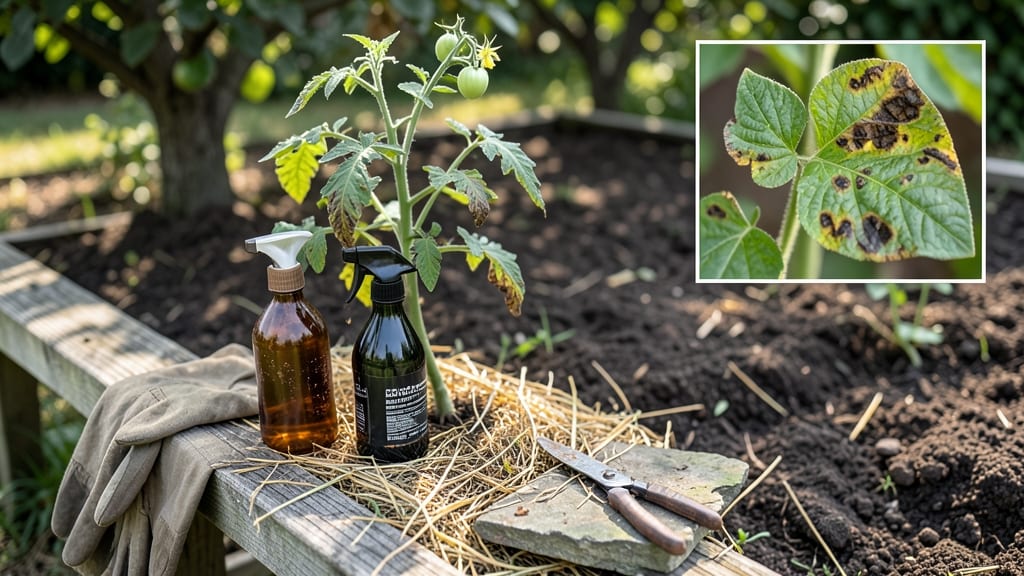
That black-speckled mess on your plant leaves isn’t dirt—it’s a leaf spot disease treatment that can be stopped in its tracks with neem oil and baking soda. 🌿 I’ve saved three seasons’ worth of tomatoes, impatiens, and roses using this same blend, and the key is acting before the spots spread like confetti.
Most leaf spot comes from fungal spores splashing up from soil or lingering in damp leaves. Warm, humid weather turns your garden into a fungal buffet, and once those dark spots appear, the plant’s energy goes to fighting instead of growing. The good news?
This two-ingredient spray works fast when you catch it early—often within 3-5 days of consistent treatment. You’ll see new growth pushing out clean and green while the old leaves crisp up and drop naturally.
The blend is safe for most plants (test a small area first), and it won’t harm bees or beneficial insects if applied at dawn or dusk. Plus, it’s cheaper than store-bought fungicides and lasts for weeks in the fridge.
Works for vegetables, flowers, and shrubs alike—just adjust the ratio for severe infections. Here’s exactly how to mix it and when to spray for maximum impact.
The Hidden Triggers Behind Leaf Spots
Leaf spot diseases don’t just appear out of nowhere—they’re the result of a perfect storm of environmental factors, pathogen activity, and plant stress. Understanding these triggers is the first step to prevention and effective treatment.
Let’s break down the key causes behind why your plants develop those unsightly brown or black spots.
Fungal leaf spot pathogens—like Alternaria, Cercospora, and Septoria—thrive in wet conditions. Here’s why:
- Prolonged leaf wetness: Fungal spores need 12–24 hours of moisture to germinate and infect. Heavy dew, frequent rain, or overhead watering keeps leaves damp, creating ideal conditions.
- Poor air circulation: Dense foliage or crowded plants trap humidity, slowing evaporation and prolonging moisture on leaves.
- Waterlogged soil: Roots struggle to absorb nutrients, weakening plants and making them more susceptible to infection.
💡 Pro Tip: Water early in the day (before 10 AM) to allow leaves to dry quickly. Use drip irrigation or soaker hoses to avoid wetting foliage.
Leaf spots are primarily caused by fungi or bacteria, which spread through spores or infected plant debris. Here’s how they invade:
| Pathogen Type | How It Infects | Signs to Watch For |
|---|---|---|
| Fungi (e.g., Alternaria, Septoria) | Spores land on wet leaves, germinate, and penetrate through stomata (leaf pores) or wounds. | Brown/black spots with yellow halos; may have fuzzy or powdery growth on undersides. |
| Bacteria (e.g., Xanthomonas, Pseudomonas) | Enter through wounds (e.g., from pruning or hail) or natural openings. Spread via water splashes. | Greasy, water-soaked spots that oozes yellow/brown fluid; often irregularly shaped. |
| Viruses (less common) | Transmitted by insects (e.g., aphids) or contaminated tools. Weaken plants, making them prone to secondary infections. | Mosaic patterns, stunted growth, or spots with no defined edges. |
🔥 Key Insight: Fungi spread faster in cool (60–80°F) and humid conditions, while bacteria thrive in warmer (75–90°F) environments.
Healthy plants resist infections better. Stressors like nutrient deficiencies, extreme temperatures, or physical damage create entry points for pathogens:
- Nitrogen deficiency: Leads to yellowing leaves, reducing the plant’s ability to produce protective compounds like phenolics.
- Over-fertilization: Excess salts or chemicals burn roots, stressing the plant and making it vulnerable.
- Temperature swings: Sudden heat or cold shocks cells, weakening cell walls and inviting infections.
- Mechanical damage: Pruning cuts, hail, or insect bites create open wounds where bacteria can enter.
✨ Prevention Tip: Test soil pH (aim for 6.0–7.0 for most plants) and fertilize evenly with balanced NPK ratios (e.g., 10-10-10). Mulch to moderate soil temps.
Pathogens survive in old leaves, mulch, and gardening tools. Here’s how they recycle:
- Infected plant debris: Leaves with spots harbor spores for years. When composted improperly, they reinfect new plants.
- Reused tools: Pruners, clippers, or rakes contaminated with fungal/bacterial cells spread diseases to healthy plants.
- Wind and water spread: Spores hitchhike on rain or breeze, landing on nearby susceptible plants.
🎯 Action Step: Sterilize tools with 70% rubbing alcohol or a 10% bleach solution between uses. Remove and dispose of (not compost) infected leaves.
By addressing these root causes—moisture control, pathogen pressure, plant health, and sanitation—you’ll disrupt the cycle of leaf spot diseases before they take hold. Stay tuned for our neem oil + baking soda treatment to tackle existing infections!
How to Fix Fungal Leaf Spots
Fungal leaf spot diseases can turn your lush green foliage into a sad, spotted mess—but don’t panic! With the right approach, you can reverse the damage and prevent future outbreaks.
Below, we break down targeted solutions based on the most common causes, from quick fixes to long-term prevention. Let’s get your plants back to thriving!
Signs: Yellowing leaves, waterlogged soil, spots that spread rapidly. Why it happens: Fungi love damp, stagnant conditions—overwatering creates the perfect breeding ground.
How to Solve It:
- ✂️ Prune infected leaves immediately to stop the spread. Use sterilized shears (wipe with rubbing alcohol) to avoid cross-contamination.
- 🌱 Improve drainage by amending soil with perlite, sand, or compost (aim for a mix that drains within 1–2 hours after watering).
- 💧 Adjust your watering habits:
- Water early in the day (before 10 AM) so leaves dry quickly.
- Use drip irrigation or soaker hoses instead of overhead sprinklers to keep foliage dry.
- Let the top 1–2 inches of soil dry out between waterings.
💡 Prevention Tip: Test your soil’s moisture level with your finger—if it’s damp past 1 inch, hold off on watering. Mulch with straw or wood chips (2–3 inches deep) to retain moisture in the soil without wetting leaves.
Signs: Dark, greasy spots with yellow halos; spores visible on undersides of leaves. Why it happens: Fungal spores thrive in humid conditions and spread via wind, tools, or contaminated water.
How to Solve It:
- 🧴 Spray with a neem oil + baking soda blend (the star of this article!):
- Mix 1 tsp baking soda + 1 tbsp neem oil + 1 tsp dish soap (as an emulsifier) per quart of water.
- Spray both sides of leaves and the soil around the base (fungi hide there too!).
- Reapply every 7–10 days until new growth appears.
- 🌿 Apply copper fungicide (like Copper Soap) for severe cases—it’s non-toxic and disrupts fungal cell walls.
- 🧼 Clean tools and pots with 10% bleach solution (1 part bleach to 9 parts water) to kill lingering spores.
💡 Prevention Tip: Space plants for airflow (aim for 12–24 inches between them). Crowded foliage traps moisture—fungi’s favorite snack!
Signs: Small, pale spots with slow spread; plants look generally weak or stunted. Why it happens: Stressed plants (from poor nutrition, pests, or transplant shock) can’t fight off fungal invaders.
How to Solve It:
- 🍽️ Feed your plants:
- Use a balanced fertilizer (like 10-10-10) or compost tea to boost immunity.
- For vegetables/herbs, switch to a low-nitrogen, high-phosphorus fertilizer (e.g., 5-10-10) to strengthen roots.
- 🌱 Repot if needed: If roots are circling or soil is depleted, move to fresh, sterile potting mix.
- 🛡️ Strengthen defenses with kelp meal or fish emulsion (rich in micronutrients that enhance resistance).
💡 Prevention Tip: Rotate crops annually to prevent soil-borne fungi from building up. If repotting, sterilize the pot with boiling water or bleach.
Signs: Spots appearing on multiple plants; black dots (spores) on leaves or soil. Why it happens: Fungi spread fast—especially in greenhouses, shady areas, or after rain.
How to Solve It:
- 🚫 Quarantine infected plants until they’re spot-free (at least 2 weeks).
- 🧼 Disinfect everything:
- Wash hands, tools, and containers with soapy water + bleach rinse.
- Remove all fallen leaves from the area (they’re spore factories!).
- 🌧️ Adjust humidity:
- Use a dehumidifier indoors or improve airflow with fans.
- Avoid watering at night when humidity peaks.
💡 Prevention Tip: Monitor weather forecasts—fungi flare up after 3+ days of rain or high humidity. Plan preventive sprays (like neem oil) before wet conditions hit.
If 50%+ of leaves are covered in spots, sadly, it’s time to say goodbye to that plant. Dig it up, bag it, and dispose of it in the trash (not compost)—fungi can survive in compost piles!
🎯 Key Takeaway: Leaf spot diseases are manageable with early action + prevention. Start with pruning + fungicide sprays, fix watering/drainage issues, and strengthen your plants’ defenses. Most importantly? Stay vigilant—catching it early saves your garden! 🌿✨
Frequently asked questions
Can I use vinegar as a leaf spot treatment?
White vinegar can help in a pinch, but it’s not as effective as neem oil or baking soda blends. Mix 1 part vinegar to 3 parts water with a drop of dish soap, then spray directly on spots. Use sparingly—vinegar’s acidity can burn leaves if overused. For best results, combine with other treatments like pruning infected areas.
How often should I apply the neem oil/baking soda spray?
Apply every 7-10 days until new growth appears spot-free. For severe infections, spray weekly for 4 weeks total. Always apply at dawn or dusk to avoid harming bees. Store leftover spray in the fridge for up to 2 weeks—shake well before each use.
Will leaf spot disease kill my plants?
Not necessarily! Early treatment with fungicides or organic sprays can stop the spread. If less than 30% of leaves are affected, most plants recover fully. However, if 50%+ of foliage is covered or spots appear on new growth, the plant may not survive. Remove severely infected plants immediately to prevent spread.
Can I compost leaves with leaf spot?
Never compost infected leaves—they’ll spread spores to new plants. Instead, bag and trash them immediately. If you must compost, bury the leaves at least 12 inches deep in a hot compost pile (140°F+) to kill pathogens. Always sterilize tools after handling infected plants.
Why does my plant keep getting leaf spot even after treatment?
Persistent infections usually mean one of three things:
- Poor airflow (crowded plants),
- Overhead watering (keeps leaves wet), or
- Weakened plant defenses (nutrient deficiency). Check your watering habits, prune for better airflow, and fertilize with kelp meal or compost tea to boost immunity.