
Leaf Blower
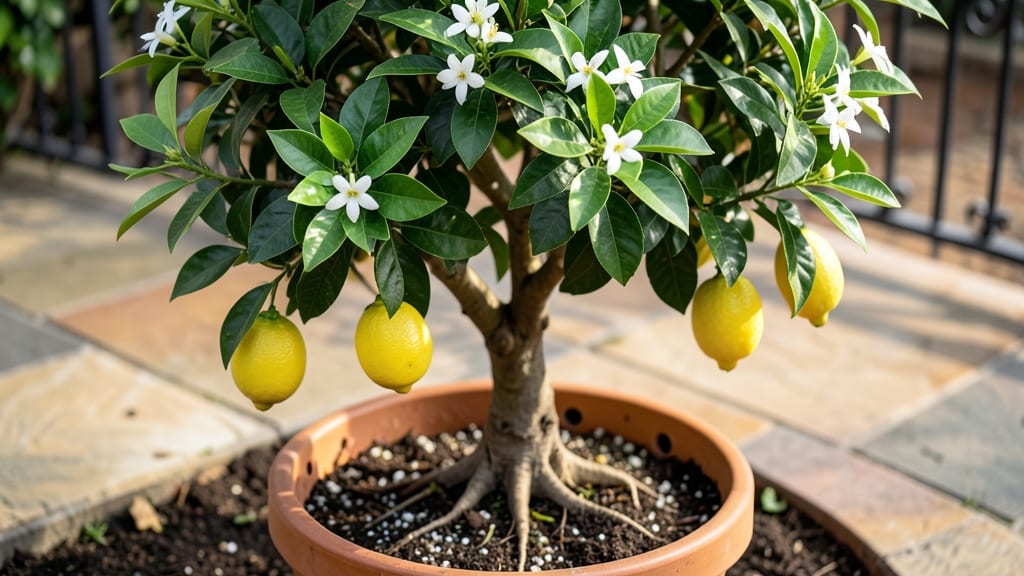
Burning lemon leaf margins are usually caused by fungal spot diseases like Alternaria or Melanose, which thrive in damp conditions and poor airflow. Remove damaged leaves immediately, use organic fungicides without copper, and boost airflow around your tree to stop the spread.
These fungal infections start as small dark spots along leaf edges that expand and turn brown, eventually causing the margins to crisp and die. 🌿 The key difference between Alternaria and Melanose is their appearance—Alternaria spots are darker with concentric rings, while Melanose creates yellow halos around blackened edges.
Copper-free fungicides work because they disrupt fungal cell membranes without harming beneficial soil microbes, making them safer for organic gardening.
For prevention, focus on creating an open canopy by pruning dense branches and avoiding overhead watering. I've found that applying a neem oil spray every two weeks during humid months dramatically reduces new infections.
If you notice yellowing leaves paired with blackened margins, act fast—these spots spread quickly when conditions stay wet.
💡 In This Article
- Identifying Fungal Spots on Lemon Tree Leaves
- Organic Fungicide Alternatives for Lemon Trees
Identifying fungal spots on lemon tree leaves
When lemon tree leaves develop those telltale brown, crispy edges, you're likely dealing with fungal spot diseases like Alternaria or Melanose. These pathogens thrive in warm, humid conditions (ideal when temperatures hover between 75-85°F and humidity stays above 70% for extended periods).
The fungi enter through leaf stomata or wounds, then spread rapidly when water lingers on foliage—this is why overhead watering creates perfect infection conditions. 🌡️ What makes these spots particularly damaging is how they disrupt the leaf's vascular system, cutting off nutrients to the margins first.
The visual differences between Alternaria and Melanose are key to proper identification. Alternaria spots start as small, dark brown to black lesions with concentric rings (like bullseye patterns) that expand to 1/4-inch diameter.
These spots often have a grayish center with a dark border. Melanose, on the other hand, creates tiny black specks along leaf edges that grow into elongated streaks, accompanied by yellow halos that signal the leaf's dying tissue.
Both diseases eventually cause the margins to turn brown, crisp, and curl upward—a classic "burn" appearance that gives gardeners the wrong impression of heat damage.
Copper-free fungicides work so effectively because they target the fungal cell membrane without harming beneficial microbes in your soil. Traditional copper sprays can build up in organic systems, becoming toxic to earthworms and other helpful organisms over time.
Instead, organic options like potassium bicarbonate or hydrogen peroxide sprays (3%) create an alkaline environment that disrupts fungal spores while being completely safe for plants and soil life. The key is applying these treatments preventively during high-risk periods (spring and fall) rather than waiting for symptoms to appear.
Here's what you should look for when inspecting your lemon tree: check the undersides of leaves first (where spores often gather), examine new growth for tiny dark specks, and note any yellowing between veins—this indicates the disease is spreading systemically. 🌿 The earlier you catch these spots, the easier they are to contain.
I've seen cases where gardeners mistook these fungal issues for nutrient deficiencies, leading to wasted time and money on fertilizer adjustments when the real problem was fungal control.
Environmental triggers play a surprisingly large role in how quickly these diseases progress. For example, a 24-hour period with humidity above 85% can double the infection rate of Alternaria spores. This is why improving airflow through pruning dense branches and spacing plants properly becomes your first line of defense.
Even a gentle breeze moving through the canopy can reduce humidity at leaf level by 15-20%, dramatically slowing fungal spread.
One common mistake gardeners make is assuming all leaf margin burn is caused by the same pathogen. While Alternaria and Melanose share similar symptoms, their treatment approaches differ slightly.
Alternaria responds better to neem oil applications (which also act as a preventative), while Melanose often requires more frequent baking soda sprays (1 tablespoon per gallon of water with a drop of dish soap). The key is matching your treatment to the specific pathogen you're dealing with.