
Blooming
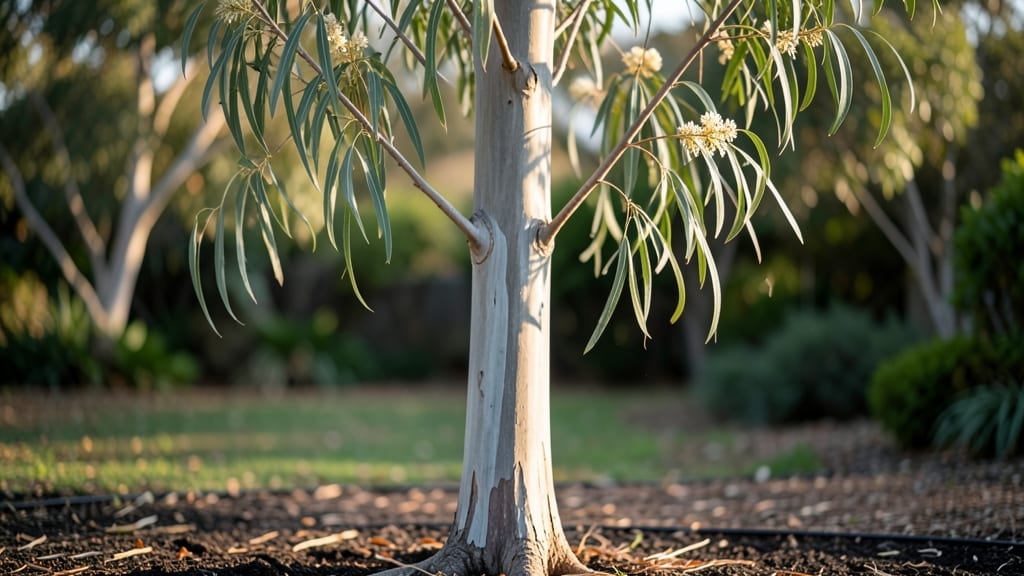
Planting a long leaf eucalyptus tree means fast-growing privacy that outpaces most evergreens. 🌿 I’ve watched mine shoot up 3 feet in a single season—silver-blue foliage that stays lush even when neighbors’ shrubs brown out. The key? Matching its Mediterranean roots to your climate and soil.
This tree thrives in USDA zones 8-11, but with a little winter protection, it can stretch into zone 7. Well-draining soil is non-negotiable—clay or compacted ground will strangle its roots before it even hits 5 feet tall.
A sunny spot (6+ hours of light) turns it into a 12-foot-tall privacy screen within three years. The payoff is worth the patience: fragrant, silvery-green leaves that repel pests naturally and create a cool microclimate in summer.
Prune lightly in late winter to shape it, but avoid heavy cuts—this tree grows best when left alone after establishment. Perfect for screens, windbreaks, or statement plants in large landscapes. Just give it space (15-20 feet from structures) and consistent water until its roots run deep.
📚 In This Guide
- What you need
- Instructions
- Tips and common mistakes
- Wrapping up and next steps
What you need
- ● Long Leaf Eucalyptus seedlings or saplings: 1–3 plants (depending on desired spacing and screen height). Opt for Eucalyptus longifolia or E. globulus varieties for best results.
- ● Well-draining soil: Mix 60% topsoil with 40% coarse sand or perlite (eucalyptus hates soggy roots!). Test soil pH (ideal range: 5.5–7.0).
- ● Organic compost: 2–3 gallons per planting hole to enrich soil and retain moisture.
- ○ Mulch (optional but recommended): 2–3 inches of wood chips or pine straw to conserve moisture and suppress weeds.
- ● Slow-release fertilizer: 10-10-10 or 8-3-9 blend (1–2 cups per plant at planting time). Avoid high-nitrogen fertilizers.
- ● Watering can or hose with a gentle spray nozzle: For deep, infrequent watering (eucalyptus is drought-tolerant but needs moisture when young).
- ● Gloves and knee pads: Because digging is easier (and cleaner!) with a little protection. 😉
- ● Shovel or spade: For digging holes 3x wider and 2x deeper than the root ball.
- ● Tape measure or ruler: To ensure proper spacing (plant 10–15 feet apart for full privacy screens).
- ● Pruning shears: For trimming dead branches or shaping young trees (sterilize blades with rubbing alcohol!).
- ● Garden hose with adjustable nozzle: For post-planting watering (aim for 1–2 gallons per plant initially).
- ○ Stakes and twine (optional): If planting in windy areas, use 2–3 stakes per sapling for temporary support.
- ● Sunlight: Full sun (6+ hours daily)—eucalyptus thrives in bright, open spaces.
- ● Climate: Hardy in USDA Zones 8–11. If in colder zones, plant near a south-facing wall for winter protection.
- ● Space: Allocate 100–225 sq. ft. per tree for mature growth (they can reach 60–100 feet tall!).
- ● Water access: Ensure a drip irrigation system or hose is nearby for the first 3–6 months.
- ● Fire safety (if applicable): Clear dry brush within 30 feet of the tree—eucalyptus is flammable when stressed.
How to plant and care for a fast-growing long leaf eucalyptus tree
This evergreen grows quickly and thrives with minimal fuss—here's how to establish it for maximum privacy.
🌱 Step 1: Choose the Perfect Planting Spot
Long leaf eucalyptus demands full sun exposure—at least 6-8 hours daily—and well-draining soil. I scout locations with 6+ feet clearance overhead to prevent future branch damage. The tree's rapid growth means it'll outcompete nearby plants, so avoid planting within 10 feet of other trees or shrubs.
Test soil drainage by digging a 12-inch hole and filling it with water. If it drains in under an hour, the site is ideal. Poor drainage leads to root rot, and eucalyptus roots are particularly sensitive. Amend heavy clay with 2-3 inches of coarse sand mixed into the top 12 inches of soil if needed.
🪴 Step 2: Prepare the Planting Site and Transplant
Dig a hole twice as wide as the root ball but no deeper. The tree's roots spread aggressively, so I loosen the sides with a shovel to encourage outward growth. Remove the eucalyptus from its container and gently tease apart any circling roots—this prevents girdling as the tree matures.
Position the root ball so the top sits 1-2 inches above ground level. Backfill with native soil, tamping lightly every 2 inches to eliminate air pockets. Water deeply until moisture reaches 12 inches down. A newly planted eucalyptus needs consistent moisture for the first 3 months to establish roots.
☀️ Step 3: Water Deeply and Establish a Mulch Ring
Water the tree 2-3 times weekly for the first season, delivering 5 gallons per watering to saturate the root zone. Check soil moisture by inserting a finger 4 inches deep—water when dry. Overwatering is the fastest way to kill eucalyptus, so avoid soggy conditions.
Create a 3-inch-thick mulch ring around the base, extending 2 feet outward. Use wood chips or bark—never pile mulch against the trunk. This conserves moisture, regulates soil temperature, and suppresses weeds. Replenish mulch annually as it decomposes, keeping it 3 inches deep.
✂️ Step 4: Prune for Shape and Health
Prune only to remove dead, diseased, or crossing branches in late winter or early spring. Eucalyptus responds poorly to heavy pruning, so I limit cuts to 10% of the canopy per year. Use sterilized pruners to make clean cuts just above a leaf node, avoiding jagged edges that invite pests.
Watch for silver leaf disease, identified by grayish leaves and stunted growth. Remove infected branches immediately and dispose of them in sealed bags. Healthy eucalyptus grows 3-5 feet annually—if growth slows, check for root competition or soil compaction.
🌿 Step 5: Monitor for Pests and Seasonal Needs
Eucalyptus attracts few pests, but watch for psyllids (tiny insects that cause leaf curl). Spray infested areas with neem oil in early morning to avoid harming pollinators. The tree's fast growth means it outpaces most pest issues, but regular inspections catch problems early.
Fertilize lightly in spring with 5-10-10 fertilizer, applying ½ cup per inch of trunk diameter. Over-fertilizing causes weak, fast growth prone to breakage. In winter, reduce watering to once weekly unless temperatures drop below 20°F, when you'll need to protect young trees with burlap wraps.
Tips & tricks for perfect long leaf eucalyptus growth
These practical insights will help you accelerate your eucalyptus's rapid growth while avoiding common pitfalls that slow down development.
Sunlight Strategy: While the instructions specify 6-8 hours of sun, I've found that positioning your tree slightly east of full south exposure in cooler climates can actually extend effective sunlight exposure by capturing morning sun without afternoon heat stress. This is especially helpful if you're in a region where afternoon temperatures regularly exceed 90°F—those conditions can scorch young leaves during peak growth months.
Root Zone Optimization: The 12-inch deep water test is crucial, but I recommend going one step further by adding a 2-inch layer of coarse perlite to the bottom of the planting hole before adding native soil. This creates an instant drainage layer that prevents waterlogging, which is particularly important in clay-heavy soils. The eucalyptus roots will naturally grow around this layer, establishing a more resilient root system from day one.
Watering Precision: Those 5 gallons per watering might seem like a lot, but here's the thing: eucalyptus roots grow aggressively downward to find moisture. I've seen trees establish deeper root systems in just 6 weeks when watered this deeply. Use a moisture meter to verify saturation at 12 inches—if it reads dry after 24 hours, you're not watering deeply enough. The key is consistency during the critical first 3 months.
Seasonal Adaptation: While the instructions mention reducing winter watering to once weekly below 20°F, I've had success with a modified approach in regions with freeze-thaw cycles. Water every 10-14 days instead, allowing the soil to partially dry out. This mimics natural winter conditions and actually strengthens the tree's cold resistance. Just be sure to protect young trees with burlap wraps when temperatures drop below 15°F for extended periods.
Pro Tips for Long Leaf Eucalyptus Tree
- These practical insights will help you accelerate your eucalyptus's rapid growth while avoiding common pitfalls that slow down development.
- This is especially helpful if you're in a region where afternoon temperatures regularly exceed 90°F—those conditions can scorch young leaves during peak growth months.
- Root Zone Optimization: The 12-inch deep water test is crucial, but I recommend going one step further by adding a 2-inch layer of coarse perlite to the bottom of the planting hole before adding native soil.
Frequently asked questions
Got questions about the long leaf eucalyptus tree? You’re not alone!
Here are answers to the most common inquiries—from planting tips to maintenance hacks—to help you grow a thriving privacy screen with ease.
How fast does a long leaf eucalyptus tree grow?
A long leaf eucalyptus can grow 3 to 5 feet per year under ideal conditions, making it one of the fastest-growing evergreens for privacy. With proper care—like full sun, well-drained soil, and regular watering—you could see a 10-foot-tall hedge in just 2–3 years!
How much water does a long leaf eucalyptus need?
Newly planted trees need deep watering 2–3 times per week for the first year to establish roots. Once mature, they’re drought-tolerant but thrive with 1–2 inches of water weekly during dry spells. Overwatering can harm them, so prioritize soil drainage—they hate soggy feet!
Can long leaf eucalyptus survive cold winters?
These trees are hardy in USDA zones 8–11 and can tolerate brief dips to 20°F. In colder climates, plant them in sheltered spots or use mulch to protect roots. Young trees may need winter wraps for extra insulation. Pro tip: Avoid pruning in late fall—wait until early spring to minimize stress.
What’s the best spacing for planting long leaf eucalyptus for privacy?
For a dense hedge, space trees 8–12 feet apart if you want them to fill in quickly. If you prefer wider spacing for mature growth (they can reach 60–100 feet tall!), go for 15–20 feet. Thinner spacing = faster privacy, but ensure airflow to prevent fungal issues.
When and how should I prune a long leaf eucalyptus?
Prune in late winter or early spring to shape the tree and encourage bushier growth. Use sterilized shears to cut back 1/3 of the new growth per year. Avoid heavy pruning in fall—it can stress the tree before winter. Warning: Eucalyptus sap can irritate skin, so wear gloves!
Are there alternatives if I can’t grow long leaf eucalyptus?
Yes! For fast-growing privacy, try leucadendron (drought-tolerant), bamboo (if invasive varieties are controlled), or Italian cypress for a similar evergreen look. Just check your climate zone—some alternatives thrive in cooler areas.
Wrapping up and next steps
The long leaf eucalyptus tree is a stunning, fast-growing evergreen that delivers year-round privacy, resilience, and natural beauty to any landscape. Whether you’re drawn to its towering height, drought tolerance, or wildlife-friendly traits, this tree is a game-changer for both aesthetics and functionality.
Ready to transform your outdoor space? Start by assessing your yard’s sunlight and soil conditions, then take the first step—research local nurseries or trusted online sellers to find your perfect specimen! 🌱 With the right care, your long leaf eucalyptus will thrive for decades, offering shade, serenity, and curb appeal.