
Pests and Diseases
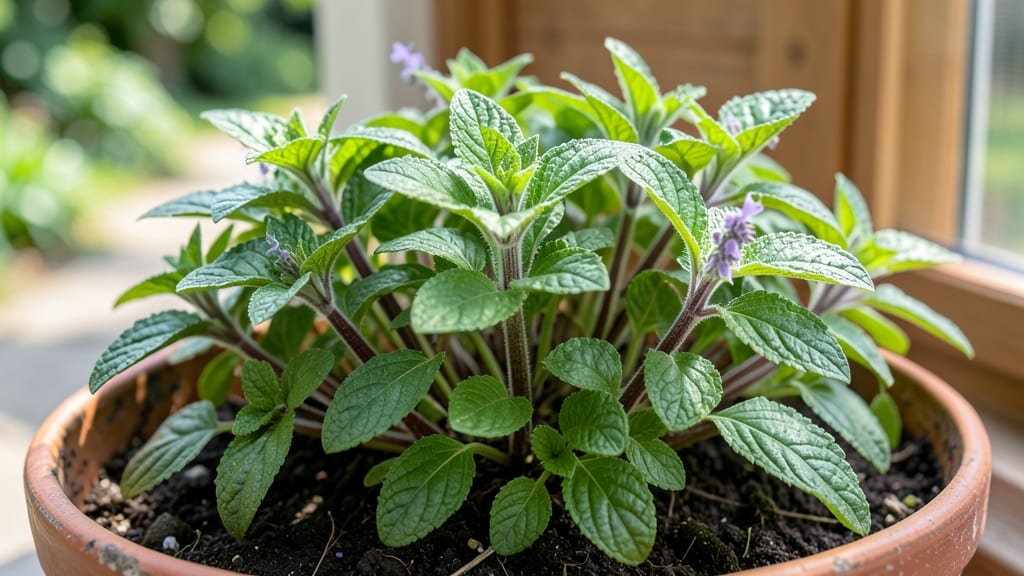
Mint leaf and scent leaf differ in flavor, aroma, and culinary uses: true mint (like spearmint or peppermint) delivers a sharp, cooling herbal taste, while scent leaf (often lemon verbena or stevia) offers citrusy or sweet floral notes. Plant care also varies significantly between the two types.
When you're comparing mint leaf varieties like spearmint or peppermint to scent leaves such as lemon verbena or stevia, you're looking at two entirely different botanical families with distinct chemical profiles. 🌿 True mint contains menthol compounds that create that signature cooling sensation, while scent leaves often rely on citrus oils (like limonene) or sweet glycosides (like steviosides) for their unique profiles.
This fundamental difference explains why mint shines in savory dishes and cocktails, while scent leaves excel in teas, desserts, and floral arrangements.
The growing requirements reflect these differences too. Mint thrives in moist, well-drained soil with partial shade, while many scent leaves prefer full sun and drier conditions. 💧 For instance, lemon verbena needs consistent sunlight to develop its bright citrus aroma, whereas peppermint spreads aggressively in damp environments.
Understanding these needs helps prevent common issues like stunted growth or pest infestations that often plague gardeners mixing these plants together.
💡 In This Article
- Botanical and Flavor Differences Between Mint and Scent Leaves
- Growing and Harvesting Mint vs. Scent Leaf Plants
Botanical and flavor differences between mint and scent leaves
True mint belongs to the Mentha genus, which contains over 25 species known for their menthol compounds.
These chemicals—like L-menthol in peppermint—bind to cold receptors in your mouth, creating that signature cooling sensation. 🌿 For example, peppermint contains 40-50% menthol by weight, while spearmint has only 0.1-0.5%, explaining why peppermint feels more intense.
The cooling effect also triggers saliva production, which is why mint is often used in candies and breath fresheners.
Scent leaves, on the other hand, come from diverse botanical families like Verbenaceae (lemon verbena) or Asteraceae (stevia).
Their flavors stem from different chemical profiles: lemon verbena contains limonene (up to 0.5%) for its citrusy punch, while stevia relies on steviosides (up to 10%) for its sweetness—200-300 times sweeter than sugar.
These compounds don't trigger cooling receptors but instead activate sweet or aromatic pathways in your brain, creating a completely different sensory experience.
Here's how these differences play out in the kitchen: mint's sharpness makes it ideal for savory dishes like tabbouleh or mojitos, where its brightness cuts through rich flavors.
Scent leaves, however, shine in delicate preparations—lemon verbena in fruit salads or stevia in herbal teas—where their floral or citrus notes can dominate without overpowering. The key is matching the leaf's chemical profile to the dish's flavor profile for optimal harmony.
Visual distinctions also help identify these plants. Mint leaves are typically oval with serrated edges and grow in dense clusters, while lemon verbena has long, narrow leaves with a waxy texture that release aroma when crushed.
Stevia leaves are even more delicate, with a hairy, elliptical shape that stores its sweet compounds in specialized cells. These physical traits often correlate with their growing habits and flavor intensities.
What most gardeners overlook is how these botanical differences affect preservation. Mint's high moisture content means it wilts quickly when dried, while lemon verbena and stevia retain their aroma better when air-dried in bundles.
For example, proper drying of lemon verbena can preserve its citrus notes for up to 6 months, whereas mint typically lasts only 3-4 months before losing potency. This longevity makes scent leaves more practical for long-term storage in cooking.
Consider this chemical comparison when selecting leaves for specific purposes:
- Cooling sensation: Menthol in mint (ideal for digestive aids or spicy dishes)
- Citrus brightness: Limonene in lemon verbena (perfect for desserts or cocktails)
- Natural sweetness: Steviosides in stevia (great for sugar-free applications)
The right choice depends entirely on what sensory effect you want to create in your dish or remedy. 💫