
Pests and Diseases
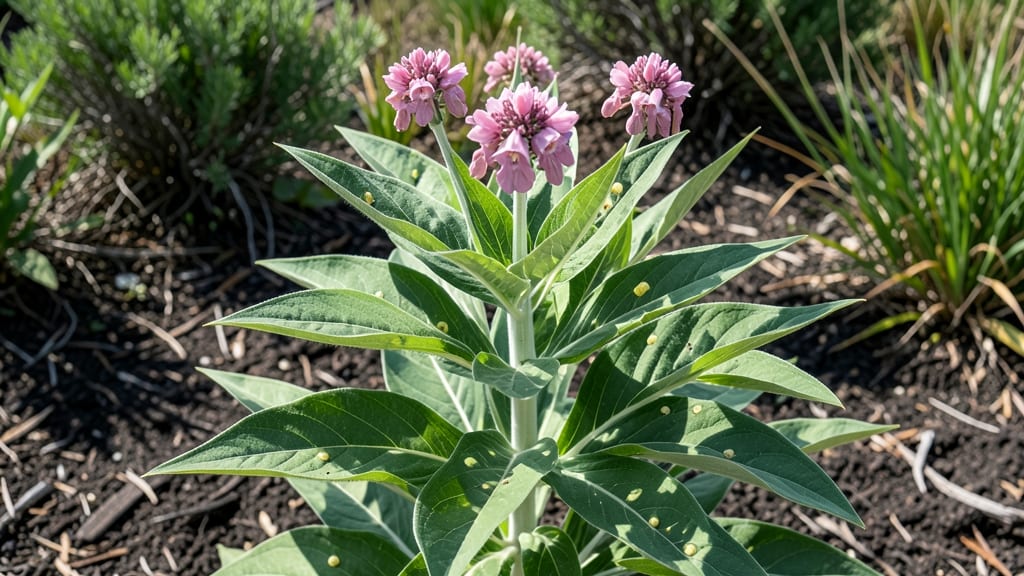
Finding tiny white monarch eggs on a milkweed leaf is nature’s way of asking you to play host. 🌿 Those barely visible specks mark the start of a butterfly’s life cycle—and your garden’s chance to become a critical sanctuary.
I’ve watched caterpillars transform right before my eyes, and the process is nothing short of magical, though it does require vigilance to protect both the eggs and the milkweed they depend on.
The eggs themselves are the size of a pinprick, usually laid singly on the underside of milkweed leaves. Within days, they’ll hatch into striped caterpillars that will devour your plants—but that’s the point.
Monarchs need milkweed to survive, and without it, their populations decline. The challenge? Balancing their needs with your garden’s health, especially when pests like aphids or fungal diseases threaten the milkweed itself.
By the time you spot these eggs, you’re already part of the solution. A thriving monarch population starts with healthy milkweed, which means proper spacing, pest control, and avoiding herbicides.
I’ve learned to monitor leaves weekly and provide extra milkweed plants to ensure caterpillars always have food—even when one plant gets stripped bare.
This isn’t just about butterflies; it’s about restoring ecosystems one leaf at a time. Whether you’re a first-time gardener or a seasoned enthusiast, supporting monarchs is a rewarding way to make your garden matter. Let’s dive into how to protect these eggs—and the future they represent.
Nature’s Perfect Matchmaking
Monarch eggs appearing on milkweed leaves isn’t just a coincidence—it’s a finely tuned ecological relationship. These tiny, white eggs, barely visible to the naked eye, are the result of a host plant selection process driven by biology, chemistry, and survival instincts.
Let’s break down the key reasons why monarch butterflies (Danaus plexippus) choose milkweed as their nursery.
Monarchs rely on olfactory signals to locate milkweed, and the plant emits a unique blend of volatile organic compounds (VOCs) that act like a dinner bell. Key factors include:
- Asclepias Species Chemistry: Milkweed (Asclepias spp.) contains cardenolides—toxic compounds that deter most herbivores but are essential for monarch caterpillars.
These chemicals make milkweed non-toxic to monarchs (thanks to their evolved resistance) while keeping predators away. - Leaf Surface Compounds: Monarchs detect alkaloids and glycosides on milkweed leaves, which trigger oviposition (egg-laying) behavior.
Studies show females avoid plants with low cardenolide levels, as these won’t support larval survival. - Pheromone Mimicry: Some milkweed varieties release pheromone-like signals that mimic the scent of other monarch-laid eggs, subtly encouraging more females to deposit eggs nearby—a behavior called gregarious oviposition.
Actionable Tip: 💡 If you’re growing milkweed for monarchs, ensure it’s a native species (e.g., Asclepias tuberosa or A. syriaca). Non-native varieties may lack the right chemical profile.
Monarch eggs hatch into caterpillars that exclusively feed on milkweed—no substitutes. Here’s why:
- Specialized Diet: Monarch caterpillars (larvae) have gut microbes that break down cardenolides, making milkweed their only viable food source. Without it, they starve or die within days. - Avoiding Competition: Milkweed’s toxins repel other insects, giving monarch larvae a monopoly on food.
This reduces cannibalism (a real risk in crowded conditions) and ensures survival. - Pupation Trigger: The high latex content in milkweed leaves signals caterpillars when they’re ready to pupate, turning into chrysalises.
Fun Fact: 🌡️ A single milkweed plant can support dozens of caterpillars, but overcrowding forces them to migrate earlier—linking plant health to monarch migration patterns!
Not all milkweed leaves are equal in a monarch’s eyes. Females assess a plant’s vitality before laying eggs:
- Young, Tender Leaves: Monarchs prefer new growth (1–3 weeks old) because it’s nutrient-dense and easier for caterpillars to digest.
- Avoiding Damaged Plants: If a milkweed leaf is chewed, wilted, or diseased, females skip it—poor plant health = poor caterpillar survival.
- Sun Exposure Matters: Milkweed grown in full sun (6+ hours/day) produces thicker, more nutritious leaves, making it a prime egg-laying spot.
Pro Tip: ✨ Prune milkweed regularly to encourage new growth, but leave some mature leaves for egg-laying. Avoid pesticides—monarchs are highly sensitive to neonicotinoids and other chemicals.
Monarchs time their egg-laying with milkweed’s growing season:
- Spring Migration (March–May): Females lay eggs on early-season milkweed to ensure caterpillars hatch when food is abundant.
- Summer Broods (June–August): In warmer climates, multiple generations overlap, leading to continuous egg-laying if milkweed is available.
- Fall Migration (August–October): Late-season eggs produce caterpillars that pupate quickly to emerge as adults for the southward journey.
Warning: ⏰ If milkweed bolts (goes to seed) too early, monarchs may abandon the area. Choose late-blooming varieties (e.g., Asclepias incarnata) for extended support.
Human activity plays a surprising role in monarch-milkweed dynamics:
- Monoculture Farming: The rise of corn and soybean fields (treated with herbicides like glyphosate) has wiped out 90% of U.S. milkweed since the 1990s.
- Urbanization: Suburbs replace wild milkweed with lawns and ornamentals, leaving monarchs with fewer nursery sites.
- Extreme Weather: Droughts or floods can kill milkweed before eggs hatch, leading to population crashes.
How to Help: 🌱 Plant native milkweed clusters (not just one plant) and avoid hybrid varieties—they often lack the right chemistry for monarchs.
Protecting Monarch Eggs Naturally
Discovering monarch eggs on your milkweed leaves is a thrilling sign of nature’s cycle—but it also means taking action to ensure their survival while keeping your garden healthy. Below are practical solutions tailored to common challenges, from predator threats to plant health, along with prevention tips to safeguard future generations.
Monarch eggs and caterpillars are vulnerable to birds, spiders, and even ants. Here’s how to shield them without harming the butterflies:
🛡️ Create a Safe Habitat
- Add tall grasses or brush piles near milkweed to give predators a false sense of security, luring them away from eggs.
- Install fine mesh netting (like tulle or butterfly habitat netting) over milkweed plants if predators are persistent. Secure it loosely so adult monarchs can still access the leaves.
- Avoid pesticides—even "organic" sprays can kill monarchs. Opt for neem oil sprays only if aphids or other pests threaten milkweed health, and apply after monarchs have hatched.
🕵️ Monitor Eggs Discreetly
- Check leaves early in the morning when predators are less active. Use a magnifying glass to spot tiny eggs (about the size of a pinhead!).
- Gently relocate eggs to a protected branch or container (like a mesh-covered jar) if your garden is too risky. Place them back once caterpillars emerge.
Weak or diseased milkweed can’t support monarchs. Keep your host plants thriving with these steps:
💧 Water and Soil Care
- Water deeply but infrequently—milkweed prefers well-draining soil and can rot in soggy conditions. Aim for 1–2 inches of water per week.
- Amend soil with compost in early spring to boost nutrients. Avoid synthetic fertilizers, which can harm monarchs.
- Mulch with straw or leaves to retain moisture and deter weeds, but keep mulch 2–3 inches away from the stem to prevent rot.
🚫 Addressing Pests and Diseases
- Aphids? Blast them off with a strong spray of water or introduce ladybugs (natural predators). Avoid soapy water—it can harm monarchs.
- Powdery mildew? Improve airflow by pruning crowded stems and spraying leaves with a baking soda solution (1 tsp baking soda + 1 quart water + a drop of dish soap).
- Japanese beetles? Handpick them early in the day when they’re sluggish, or use milkweed varieties resistant to chewing, like swamp milkweed (Asclepias incarnata).
Protecting monarchs starts with intentional planting and seasonal planning:
🌱 Plant a Monarch-Friendly Garden
- Include native milkweed species (e.g., common milkweed, butterfly weed) and companion plants like asters, goldenrod, and coneflowers to provide nectar.
- Space milkweed in clusters (3–5 plants together) to attract more monarchs while making it harder for predators to find every egg.
- Avoid hybrid or tropical milkweed (like Asclepias curassavica) if you live in colder climates—these can harbor OE (Ophryocystis elektroscirrha), a deadly parasite for monarchs.
📅 Seasonal Maintenance Tips
- Fall: Leave milkweed stalks standing until spring—they provide overwintering shelter for monarchs and seed dispersal.
- Spring: Prune dead stems before new growth appears to encourage fresh, healthy foliage.
- Summer: Deadhead spent flowers to redirect energy to leaf growth (critical for caterpillars).
- 💡 Track monarch activity with a butterfly journal or app like Journey North to predict egg-laying seasons.
- 🌡️ Provide warmth in early spring by placing milkweed near south-facing walls or black plastic mulch (removes in summer to avoid overheating).
- 🎯 Avoid over-tidying—leave some "wild" areas with leaf litter and fallen stems for monarchs to hide in.
By combining predator deterrents, plant care, and strategic gardening, you’ll create a sanctuary where monarch eggs thrive—and future generations of butterflies take flight. Every small effort makes a difference in their survival! 🦋🌿
Frequently asked questions
How do I know if tiny white specks on my milkweed are monarch eggs?
Look for pinhead-sized, dome-shaped eggs with a slightly tapered top, usually laid singly on the underside of leaves. Monarch eggs are white or pale yellow, while aphid eggs appear flatter and are often clustered. Use a magnifying glass for closer inspection—eggs are barely visible to the naked eye!
What should I do if birds keep eating monarch eggs?
Create a predator distraction by adding tall grasses or brush piles nearby to lure birds away. For extreme cases, use fine mesh netting (like tulle) loosely draped over the plant—just ensure adult monarchs can still access leaves. Avoid pesticides, as they harm both predators and butterflies!
Can I move monarch eggs to another milkweed plant?
Yes, but handle them gently with a soft paintbrush or damp cotton swab. Place eggs on a healthy milkweed leaf in a protected container (like a mesh-covered jar) until caterpillars hatch. Return them to the garden once they emerge—never move eggs after hatching, as caterpillars are fragile.
Why do some milkweed plants get more monarch eggs than others?
Monarchs prefer young, healthy leaves with high cardenolide levels (toxic to most insects but essential for monarchs). Plants in full sun, free from pesticides, and with new growth attract more eggs. Avoid over-fertilizing—monarchs skip plants that taste \"off\" due to synthetic nutrients.
What’s the best way to protect milkweed from pests while keeping monarchs safe?
Use physical barriers like row covers for aphids or handpick Japanese beetles early in the morning. For fungal issues, spray leaves with a baking soda solution (1 tsp baking soda + 1 quart water). Never use neonicotinoids—they’re deadly to monarchs. Always treat plants after eggs hatch to avoid harming caterpillars.