
Diseases
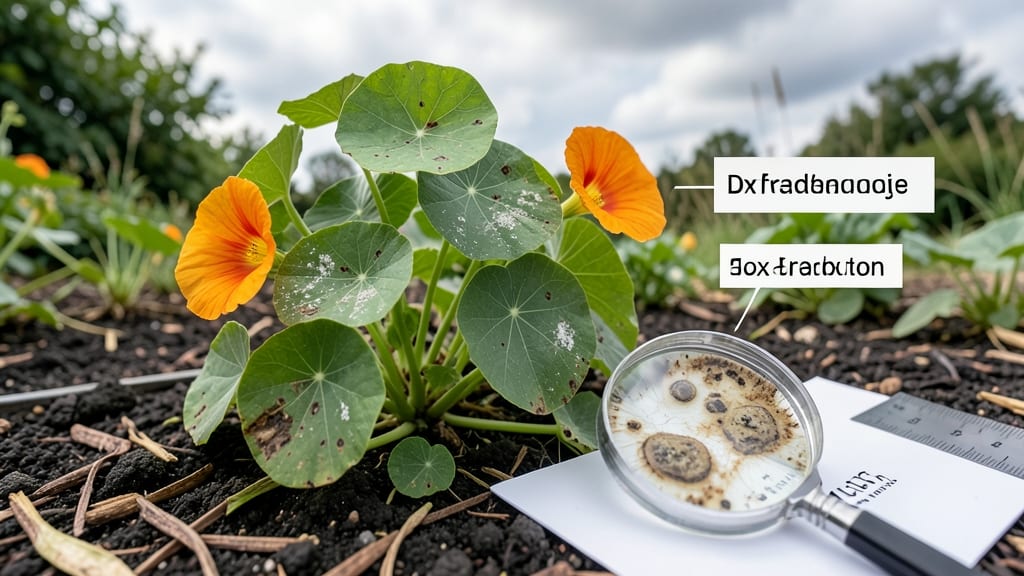
Nasturtium leaf diseases turn those crispy, edible edges into sad, browned rags—fast. 🌿 I’ve seen downy mildew turn vibrant foliage into a sad, fuzzy mess in just a week, and bacterial spot punch holes like a tiny, angry drill.
The key to saving your plants? Spotting the warning signs before they spread.
Most nasturtium diseases start with yellowing leaves, spots, or mildew—usually because of wet foliage, poor airflow, or overcrowding. Downy mildew loves humidity, while bacterial spot thrives in warm, damp conditions.
Powdery mildew? It’s the white dusting that ruins the look and the taste of those crispy leaves. Prevention is easier than cleanup: space plants properly, water at the base, and avoid overhead sprinklers.
Once you see symptoms, act fast. Prune affected leaves immediately (sterilize your tools with rubbing alcohol!), and treat with neem oil or baking soda spray for fungal issues.
For bacterial spot, copper fungicide is your best bet. The sooner you intervene, the more of those crispy, peppery leaves you’ll save for salads and garnishes.
Garden hygiene is non-negotiable: remove diseased debris, rotate crops, and disinfect tools between plants. Nasturtiums are tough, but they won’t fight off infections alone. With these steps, you’ll keep your plants lush, disease-free, and ready to harvest all season.
Root Causes Behind Nasturtium Leaf Troubles
Understanding why nasturtium leaves develop diseases is the first step to preventing them. These vibrant plants are tough, but they’re not immune to environmental stressors, pathogens, or poor growing conditions.
Let’s break down the key culprits behind leaf diseases in nasturtiums, so you can address them before they spiral out of control.
Fungi thrive in moist, warm conditions and are the most common cause of nasturtium leaf diseases. Here’s how they strike:
- Downy Mildew (Peronospora spp.) This fungal disease thrives in cool, damp conditions (60–75°F) and spreads via wind or water splashes. It forms grayish-purple, fuzzy patches on the undersides of leaves, causing them to yellow and crisp at the edges.
The fungus releases spores that infect new leaves, leading to rapid deterioration.
- Powdery Mildew (Erysiphe spp.) Unlike downy mildew, this fungus favors dry, warm weather with high humidity. It coats leaves in a white, powdery film, blocking sunlight and stunting growth.
Over time, leaves turn brown and crispy, especially along the edges. The fungus spreads through spores carried by air or contaminated tools.
- Alternaria Leaf Spot (Alternaria brassicae) This soil-borne fungus attacks when leaves stay wet for prolonged periods. It creates dark brown or black spots with yellow halos, which expand and merge, leading to leaf death. The fungus overwinters in plant debris, so poor sanitation worsens outbreaks.
💡 Pro Tip: Improve airflow around plants and avoid overhead watering to reduce fungal spores. Apply copper-based fungicides at the first sign of infection.
Nasturtiums are hardy, but extreme or inconsistent growing conditions weaken their defenses, making them susceptible to diseases.
- Excessive Moisture Nasturtiums hate soggy roots. Overwatering or poor drainage leads to root rot (often caused by Phytophthora or Pythium fungi), which stresses the plant and opens the door for secondary infections. Yellowing leaves, wilting, and a foul smell from the soil are red flags.
- Poor Air Circulation Crowded plants or dense foliage trap humidity, creating the perfect breeding ground for fungi. Without airflow, spores linger, and diseases like powdery mildew spread unchecked. Prune regularly to keep plants open and airy.
- Temperature Fluctuations Nasturtiums prefer moderate temperatures (55–75°F). Sudden drops below 40°F or scorching heat above 85°F weaken the plant’s immune system. Cold stress can lead to edema (water-soaked blisters on leaves), while heat stress causes leaf scorch (brown, crispy edges).
✨ Actionable Fix: Use mulch to regulate soil moisture, space plants 12–18 inches apart, and avoid planting in low-lying areas where cold air pools.
Some pests don’t cause diseases directly, but their feeding weakens nasturtiums, making them vulnerable to infections.
- Aphids and Whiteflies These sap-sucking insects inject toxins into leaves, causing them to yellow, curl, and develop a sticky residue (honeydew). Honeydew attracts sooty mold, a black fungal growth that smothers leaves and blocks photosynthesis.
- Cabbage Worms and Flea Beetles Their chewing damage creates entry points for bacteria and fungi. Ragged, holey leaves are less able to resist infections like bacterial leaf spot (Xanthomonas campestris).
🎯 Prevention Tip: Use neem oil or insecticidal soap to control pests early. Introduce beneficial insects like ladybugs to keep populations in check.
Nutrient deficiencies or toxicities can mimic diseases, causing leaf discoloration and crisping.
- Over-Fertilization (Especially Nitrogen) Too much nitrogen leads to soft, sappy growth that’s prone to fungal infections. Leaves may develop yellowing between veins (a classic nitrogen burn symptom) and crisp at the edges due to poor structural integrity.
- Calcium or Magnesium Deficiency Without enough calcium, new leaves develop brown, crispy edges (a condition called blossom-end rot in some plants, though nasturtiums show it differently). Magnesium deficiency causes yellowing between veins, weakening the leaf’s ability to fight pathogens.
📊 Soil Test Solution: Test your soil’s pH (ideal: 6.0–7.0 for nasturtiums) and amend with lime (for calcium) or Epsom salt (for magnesium) if needed.
Sometimes, well-meaning gardeners accidentally create conditions that invite diseases.
- Reusing Contaminated Soil or Containers Fungal spores and bacteria can linger in old soil or pots. If you replant nasturtiums in the same spot year after year without sterilizing the soil, diseases like clubroot (Plasmodiophora brassicae) can build up, causing stunted growth and leaf deformities.
- Ignoring Crop Rotation Nasturtiums are part of the Brassicaceae family, which shares diseases with cabbage, broccoli, and kale. Planting them in the same spot repeatedly exhausts soil defenses and encourages pathogen buildup.
🔥 Fix It Now: Sterilize soil with baking soda (1 cup per gallon of water) or solarization (covering soil with plastic for 4–6 weeks). Rotate crops annually to break disease cycles.
While less common than fungi, bacteria can wipe out nasturtiums in weeks if unchecked.
- Bacterial Leaf Spot (Xanthomonas campestris) This bacterium thrives in wet conditions and causes water-soaked spots that turn yellow or brown with dark borders. Infected leaves crisp and drop prematurely. Bacteria spread via rain splashes, tools, or contaminated seeds.
- Soft Rot (Erwinia spp.) Overwatered or stressed plants are prime targets. Leaves develop mushy, foul-smelling patches, and the entire plant may collapse. This bacterium thrives in compacted, waterlogged soil.
🔪 Emergency Action: Remove infected plants immediately to prevent spread. Use copper fungicide (effective against some bacteria) and avoid overhead watering.
Quick Fixes for Nasturtium Leaf Woes
When your nasturtium leaves start showing signs of distress—whether it’s crispy edges, spots, or wilting—acting fast can save your plants. Below are practical, step-by-step solutions tailored to the most common nasturtium leaf diseases, along with prevention tips to keep your garden thriving.
If your nasturtium leaves are developing brown, crispy edges, the issue is likely underwatering, salt buildup, or low humidity. Here’s how to revive them:
💧 Step 1: Check the Soil Moisture
- Test the soil by sticking your finger 1-2 inches deep.
If it feels dry, it’s time to water. - Water deeply (about 1 inch per week, adjusting for rain) but avoid soggy soil—nasturtiums hate "wet feet." - Pro Tip: 💡 Use a moisture meter for accuracy, especially in containers where drainage is critical.
🧼 Step 2: Flush Out Salt Buildup
If your nasturtiums are in potted soil or fertilized beds, excess salts can scorch leaves.
- Leach the soil by watering heavily for 10-15 minutes, letting excess drain completely.
- Avoid fertilizing until leaves recover—stick to balanced, organic options (like compost tea) once they bounce back.
🌿 Step 3: Boost Humidity (If Needed)
Crispy edges can also mean low humidity, especially in hot, dry climates.
- Mist leaves in the early morning (avoid evening to prevent fungal risks).
- Group plants together to create a microclimate.
- Use a humidity tray (pebbles + water under pots) for container nasturtiums.
🔄 Prevention Tips
✅ Water consistently—don’t let soil dry out completely between waterings. ✅ Use rainwater or distilled water if your tap water is hard (high in minerals). ✅ Mulch around plants (2-3 inches of straw or shredded leaves) to retain moisture.
If your nasturtium leaves have white powdery patches, yellow spots, or black speckles, fungi are likely the culprit. Act fast to prevent spread!
🧴 Step 1: Remove Infected Leaves
- Snip off severely affected leaves with sterilized scissors (wipe with rubbing alcohol).
- Dispose of them in the trash (not compost)—fungi can survive in compost piles.
🍯 Step 2: Apply Fungicidal Sprays (Natural & Chemical Options)
| Method | How to Use | Frequency |
|---|---|---|
| Neem Oil Spray | Mix 1 tsp neem oil + 1 tsp mild soap + 1 quart water. Spray early morning. | Every 5-7 days for 2 weeks |
| Baking Soda Solution | 1 tsp baking soda + 1 quart water + few drops of soap. Spray undersides of leaves. | Every 7-10 days |
| Copper Fungicide | Follow label instructions (e.g., Cheshunt Compound). Use at first sign of spots. | Every 10-14 days |
🌬️ Step 3: Improve Airflow & Light
- Space plants 12-18 inches apart (nasturtiums love sunlight but need airflow).
- Prune nearby plants blocking airflow.
- Avoid overhead watering—water at the base to keep leaves dry.
🛡️ Prevention Tips
🌡️ Water in the morning so leaves dry quickly. ✨ Rotate crops—don’t plant nasturtiums in the same spot year after year. 💪 Strengthen plants with balanced fertilizer (10-10-10) to boost resistance.
If leaves look chewed, sticky, or webbed, pests are likely the issue. Manual removal + targeted sprays work best.
🕷️ Step 1: Handpick & Blast Off Pests
- Aphids? Spray with a strong stream of water to knock them off.
- Spider mites? Wipe leaves with a damp cloth or rubbing alcohol-soaked cotton ball.
- Caterpillars? Pick them off by hand (drop in soapy water).
🌿 Step 2: Use Insecticidal Soap or Oils
- Insecticidal soap (like Safer® Brand) – Mix 1-2 tbsp per quart of water, spray directly on pests.
- Horticultural oil (e.g., Neem oil) – Spray at dusk to avoid burning leaves.
- Spinosad (organic option) – Follow label rates for heavy infestations.
🌱 Step 3: Attract Beneficial Bugs
- Ladybugs, lacewings, and parasitic wasps eat aphids and mites.
- Plant companion flowers like marigolds or dill near nasturtiums to attract them.
🛡️ Prevention Tips
🎯 Inspect plants weekly—catch pests early! 🌿 Encourage biodiversity—avoid chemical pesticides that harm beneficial insects. 🚫 Remove weeds—they harbor pest eggs and diseases.
- Trim damaged leaves to redirect energy to healthy growth.
- Repot if needed—if roots are circling or soil is compacted, refresh the potting mix.
- Give them space—overcrowding stresses plants and spreads disease.
By following these targeted fixes, your nasturtiums should bounce back with vibrant, disease-free leaves in no time! 🌟
Frequently asked questions
Why do my nasturtium leaves turn yellow with brown spots first?
This classic symptom usually signals bacterial leaf spot or Alternaria leaf spot. Both thrive in wet conditions and start as water-soaked patches that turn brown. The bacteria (Xanthomonas campestris) spreads through rain splashes or contaminated tools, while the fungus (Alternaria brassicae) overwinters in old plant debris. Prune infected leaves immediately and avoid overhead watering to stop the spread.
Can I still harvest nasturtium leaves if they have powdery mildew?
Harvesting is safe, but the white fungal coating ruins the crispy texture and peppery flavor. Remove only the most severely infected leaves (dispose of them in trash), then treat the plant with neem oil spray or baking soda solution. The mildew won’t harm you, but it weakens the plant—focus on curing the infection first.
How do I tell if my nasturtiums have downy mildew vs. powdery mildew?
Check the leaf undersides—downy mildew shows as gray-purple fuzzy patches (like mold), while powdery mildew appears as white powder on both sides. Downy mildew thrives in cool, damp weather (60–75°F), while powdery mildew loves dry, warm conditions with high humidity. Improve airflow for both, but use copper fungicide for downy mildew and sulfur-based sprays for powdery mildew.
Will my nasturtiums recover if I cut off all diseased leaves?
Partial recovery is possible, but pruning alone isn’t enough for fungal/bacterial infections. Always sterilize tools with rubbing alcohol and combine pruning with targeted treatments (neem oil, copper spray). For severe cases, remove the entire plant to prevent soil contamination. Healthy new growth will return if you fix airflow, watering habits, and soil conditions first.