
Pests and Diseases
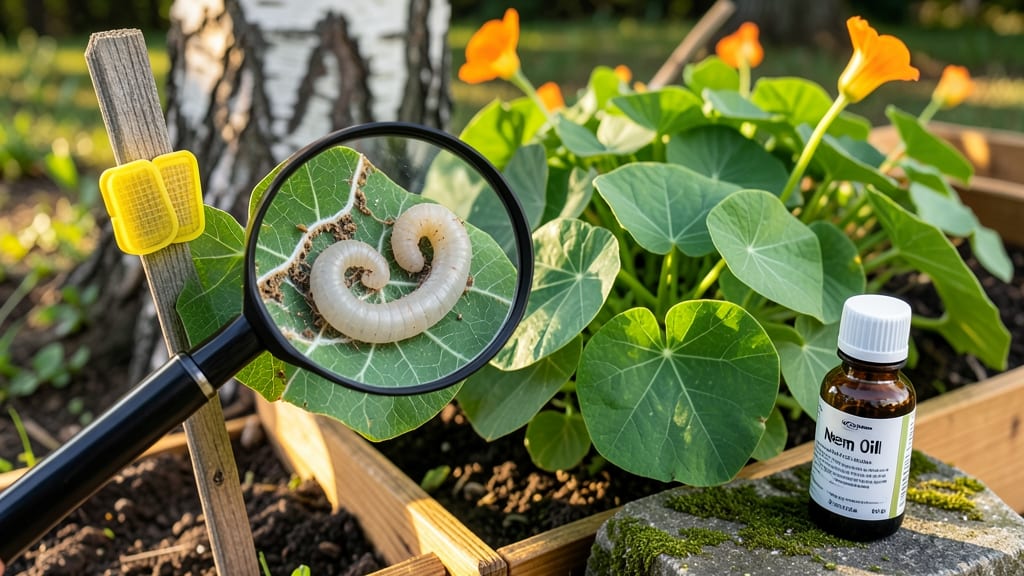
Nasturtium leaf miners turn your vibrant blooms into skeleton leaves overnight. 🌿 I’ve watched this tiny pest chew through entire plants in just days, leaving behind silvery trails that look like someone drew with a pencil inside the leaf.
The culprit is a small fly larva that burrows into leaves, creating those telltale mines. Unlike other pests, these miners don’t just nibble—they hollow out entire sections, weakening your nasturtiums and making them look ragged. The good news? You can stop them without harming bees or butterflies.
Start by inspecting leaves daily for early signs—tiny white dots or winding tunnels. A strong blast of water from your hose can dislodge larvae, while neem oil (applied at dusk) smothers them without toxic chemicals. For heavy infestations, row covers work like armor, blocking flies before they lay eggs.
The key is acting fast. With these methods, your nasturtiums bounce back stronger, and your garden stays pollinator-friendly. Let’s get those mines under control!
The Hidden Invaders Behind Damage
Understanding why leaf miners target your nasturtiums starts with knowing their tiny but relentless nature. These pests aren’t just random attackers—they’re drawn to specific conditions that make your plants look like an all-you-can-eat buffet. Let’s break down the real culprits and why they choose your garden as their dining spot.
Leaf miners aren’t the pests you see—they’re the offspring of small flies (often Phytomyza or Liriomyza species) that lay eggs on the undersides of leaves. Once hatched, the larvae chew through leaf tissue, creating serpentine tunnels that weaken the plant. Here’s why this happens:
- Soft, tender leaves are a magnet: Nasturtiums have thin, fleshy leaves packed with nutrients, making them an ideal host for mining larvae. Unlike tougher plants, they offer little resistance to tunneling. - Warm, humid conditions speed up growth: Larvae thrive in temperatures between 60–85°F (15–29°C).
If your garden stays consistently warm (especially in spring or summer), you’ll see explosive infestations in just weeks. - Overcrowded plants attract more flies: When nasturtiums grow too close together, poor airflow creates a humid microclimate—perfect for adult flies to lay eggs.
Dense foliage also makes it harder to spot early signs of mining.
Pro Tip: 🌡️ Monitor leaf temperature—if your nasturtiums are in a south-facing bed or greenhouse, they may overheat, stressing the plant and making it more susceptible to miners.
A healthy nasturtium is naturally resistant to severe leaf miner damage, but certain stressors make it an easy target:
| Stress Factor | Why It Helps Miners | How to Fix It |
|---|---|---|
| Nitrogen deficiency | Yellowing leaves (chlorosis) make plants less tough, so larvae can tunnel deeper. | Side-dress with compost or fish emulsion for a slow nitrogen boost. |
| Overhead watering | Wet leaves create ideal egg-laying spots for adult flies. | Water at the base and use drip irrigation. |
| Compaction or poor drainage | Roots struggle to absorb nutrients, leading to stunted growth—miners love weak stems. | Amend soil with perlite or sand and avoid walking on beds. |
| Previous year’s debris | Old nasturtium leaves harbor overwintering pupae, ensuring next year’s infestation. | Clean up fallen leaves in autumn and rotate crops. |
Pro Tip: ✨ Interplant with basil or dill—these herbs repel leaf miner flies naturally while adding fragrance to your garden.
Leaf miners don’t strike randomly—they follow a predictable pattern based on fly activity:
- Early spring (March–April): Adult flies emerge from overwintering pupae in soil or debris. They seek out new growth on young nasturtiums. - Peak summer (June–August): Warmth triggers multiple generations of flies.
A single infestation can lead to secondary waves if larvae aren’t controlled. - Late summer (September): As temperatures drop, flies pupate in the soil, waiting to re-emerge next year.
Critical Insight: 🔍 Scout for adult flies (tiny, grayish, with clear wings) before you see mines. Catching them early means fewer larvae tunneling through your leaves.
Not all gardens are equal—some areas are hotspots for leaf miners due to:
- Humid climates (e.g., Pacific Northwest, Southeast U.S.): High moisture keeps larvae active longer.
- Mild winters: Pupae survive longer, leading to earlier spring outbreaks.
- Urban gardens: Heat islands (cities with high concrete/asphalt) can make nasturtiums stress-prone, attracting miners.
Regional Fix: 🌎 If you’re in a high-risk zone, consider shade cloth (30–50%) to reduce leaf stress and fly activity during peak heat.
Quick Fixes for Leaf Damage
When tiny tunnels mar your nasturtium leaves, act fast to stop the spread and restore your garden’s beauty—without harming bees and butterflies. Below are practical, organic solutions tailored to the root causes of leaf miner infestations, from early detection to long-term prevention.
Why it works: Leaf miners thrive in damaged foliage. Removing affected leaves starves larvae and breaks their life cycle. How to do it:
- 🍳 Snip and toss: Use clean pruners to cut off only the damaged leaves (not whole stems) to avoid stressing healthy plants.
- 👨🍳 Bag and dispose: Place infested leaves in a sealed plastic bag and discard them in the trash (not compost)—larvae can pupate in soil.
- ⏰ Timing matters: Do this early in the morning when miners are least active, or on cloudy days to reduce stress on plants.
Pro tip: 💡 If you’re squeamish about touching damaged leaves, wear gloves and rinse your tools with soapy water afterward to kill any lingering eggs.
Why it works: Healthy nasturtiums resist pests better. Strengthen your plants with these low-effort, high-impact strategies.
| Method | How to Apply | When to Do It |
|---|---|---|
| 🥗 Fertilize lightly | Use a balanced organic fertilizer (like fish emulsion or compost tea) to avoid nitrogen burns. | Early spring or after pruning. |
| 💧 Water at the base | Water soil, not leaves, to discourage miner eggs from hatching. | Morning or late afternoon. |
| ☀️ Provide airflow | Space plants 12–18 inches apart to reduce humidity (miners love damp leaves). | When transplanting or pruning. |
Pro tip: 🌡️ Mulch with straw or grass clippings—it keeps soil moist (helping roots) while deterring miners from crawling up stems.
Why it works: Lure miners away or block their access without chemicals.
🍎 Yellow Sticky Traps
- How to set: Hang yellow card traps (or DIY with yellow paper + petroleum jelly) near plants.
- Why it works: Adult miners are attracted to yellow—traps catch them before they lay eggs.
- 🎯 Placement: Hang 6–12 inches above plants in sunny spots.
🛡️ Row Covers or Fine Mesh
- How to use: Cover young plants with lightweight floating row covers (like Agribon) until they’re established.
- Why it works: Blocks adult flies from laying eggs while allowing pollinators to visit.
- ⏰ When to remove: Lift covers when flowers appear to let bees in.
Pro tip: ✨ Plant sacrificial traps like radishes or alyssum near nasturtiums—miners may infest these instead!
Why it works: Encourage natural predators that target miners but spare bees.
| Predator | How to Attract | Best For |
|---|---|---|
| 🐞 Parasitic wasps | Plant dill, fennel, or caraway nearby—their larvae hunt miner grubs. | Long-term garden health. |
| 🦋 Ladybugs | Release beneficial ladybugs (available at garden centers) or invite them with nepeta or marigolds. | Early infestations. |
| 🐸 Frogs/toads | Create a shady, moist hideout (like a small pond or damp mulch pile). | General pest control. |
Pro tip: 🔥 Avoid neonicotinoids—these kill both pests and pollinators. Stick to pyrethrin sprays (last resort) or kaolin clay (a physical barrier) if needed.
Stop miners before they start with these easy habits:
- 🌱 Rotate crops: Don’t plant nasturtiums (or brassicas) in the same spot yearly—miners overwinter in soil.
- 🧹 Clean up debris: Remove all plant waste in fall to eliminate pupating larvae.
- 🌿 Interplant smart: Mix nasturtiums with basil, thyme, or lavender—their scents repel miners.
- 📅 Plant timing: Start seeds indoors 4–6 weeks before last frost for a head start on growth.
Final note: With these steps, your nasturtiums will bounce back faster and stronger—and your garden will stay a pollinator paradise! 🐝🌼
Frequently asked questions
What do nasturtium leaf miner tunnels look like?
Leaf miner damage appears as wavy, brown or white serpentine trails inside leaves, often with tiny black frass (insect waste) along the paths. Early signs include small white dots (eggs) on leaf undersides. The tunnels create a "windowpane" effect where healthy tissue remains.
Can nasturtiums recover from leaf miner damage?
Yes! Remove heavily damaged leaves immediately and focus on keeping the plant healthy. Nasturtiums are resilient—they’ll produce new growth from the base. Prune back affected stems to encourage bushier, miner-resistant foliage. Avoid over-fertilizing, as soft new growth attracts more miners.
Are nasturtium leaf miners harmful to humans or pets?
No, these tiny larvae pose no direct threat to humans or pets. The real concern is plant health—severe infestations weaken nasturtiums, making them more susceptible to disease. The larvae themselves are harmless unless accidentally ingested in large quantities (which is extremely unlikely).
How long does it take for leaf miner treatments to work?
Most organic methods show results within 3–7 days, but complete control may take 2–3 weeks. For example, neem oil works fastest (24–48 hours) by suffocating larvae, while beneficial wasps take longer (weeks) to establish populations. Consistency is key—reapply treatments every 5–7 days during peak fly season.
Will nasturtium leaf miners affect next year's plants?
if you don't take preventive steps. Larvae pupate in soil and debris over winter, emerging as adult flies in spring. To break the cycle: remove all plant debris in fall, rotate crops, and use row covers early in the season. These steps can reduce next year's infestation by 70–90%.