
Pests
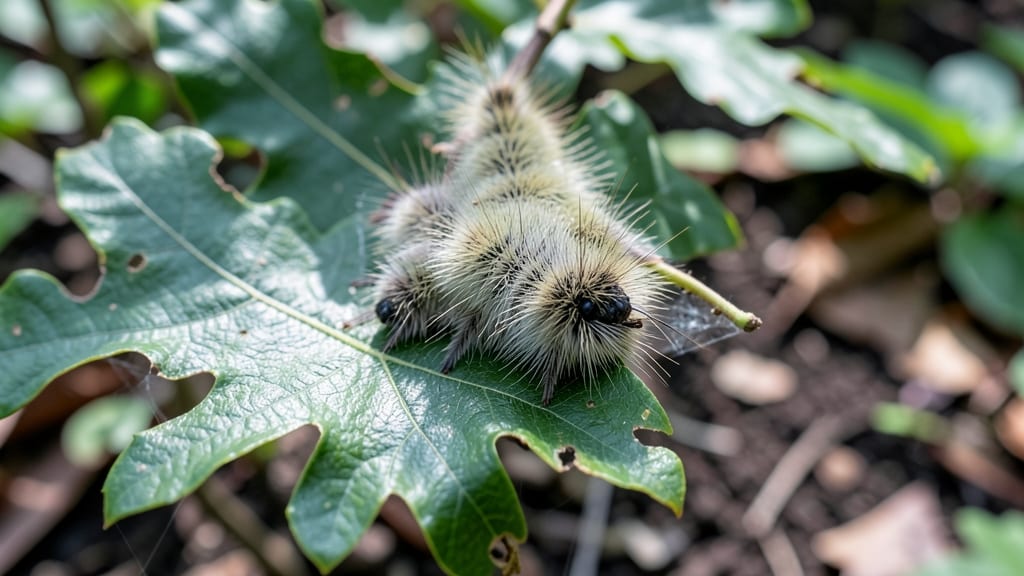
Oak leaf caterpillars turn your majestic oaks into skeleton trees overnight. 🌿 These fuzzy, velvety larvae—often mistaken for caterpillars but actually moths—devour leaves with shocking speed, leaving behind a trail of destruction that can defoliate entire trees in weeks. The worst part?
They strike in late spring to early summer, when your oak is already stressed from winter. I’ve seen entire neighborhoods’ oaks stripped bare in just a few days, and the damage doesn’t stop there—weakened trees become prime targets for disease and pests.
The key to stopping them lies in understanding their life cycle and acting fast. You’ll learn how to spot them early (look for the telltale webbing and skeletonized leaves), when they’re most vulnerable, and the most effective organic controls—like Bacillus thuringiensis or simple manual removal—that won’t harm bees and butterflies.
No more helplessly watching your trees suffer.
Most gardeners panic and reach for harsh chemicals, but that’s exactly what these caterpillars don’t fear. The real solution is timing: treat them when they’re young, before they’ve built their protective webs.
A single application of Bt (a natural bacteria) can wipe out 90% of an infestation in days, and it’s safe for kids and pets once dry.
Once you’ve tackled the current outbreak, prevention is about keeping your oak healthy—deep watering, mulching, and regular pruning to reduce stress. A strong tree is less appealing to pests, and a little vigilance in early spring can mean the difference between a lush canopy and a bare-branched mess by summer.
This isn’t just about saving leaves—it’s about protecting the future of your oak. With the right approach, you can outsmart these pests and restore your tree’s glory before next season. Let’s get started.
The Hidden Triggers Behind Outbreaks
When oak leaf caterpillars—often the hungry larvae of moths like the Lymantria dispar (gypsy moth) or Anisota stitata (leopard moth)—descend upon your trees, they don’t do it randomly. Their sudden appearance is the result of a perfect storm of environmental and biological factors.
Understanding these triggers is the first step to stopping them before they strip your oak leaves bare. Here’s why these caterpillars show up when they do, broken down into the key causes.
Oak leaf caterpillars are specialists, meaning they thrive almost exclusively on oak trees (Quercus spp.). When a property has a high density of healthy, mature oaks—especially red, white, or pin oaks—the caterpillars have an all-you-can-eat spread. Here’s why this happens:
- Nutrient-rich leaves: Oak foliage is packed with proteins and sugars, making it an ideal caterpillar cafeteria. A single large oak can support thousands of caterpillars in peak season.
- Limited natural competition: Few other pests target oak leaves as aggressively, giving caterpillars a near-monopoly on the food source.
- Stress signals attract moths: Drought-stressed or nutrient-deficient oaks produce leaves with higher sugar content, which moths can detect from miles away using specialized scent receptors.
Actionable insight: If your yard is oak-heavy, monitor trees for early signs of stress (yellowing leaves, sparse canopy) and address soil health with compost or slow-release fertilizers to reduce attractiveness.
Caterpillars don’t appear out of thin air—they’re the larval stage of moths, and their numbers follow a predictable but volatile lifecycle. Here’s how outbreaks escalate:
| Stage | What Happens | Why It Leads to Outbreaks |
|---|---|---|
| 🌙 Adult Moth Emergence | Females lay 500–1,000 eggs in spring/fall on bark or leaves. | If predators (birds, parasites) are scarce, egg survival rates skyrocket. |
| 🐛 Larval Hatch & Feeding | Caterpillars emerge in sync, creating a wave of defoliation. | Group feeding triggers pheromone release, attracting more moths to lay eggs nearby. |
| 🌀 Pupation & Overwintering | Caterpillars pupate in soil or bark, emerging as moths the next season. | Mild winters increase survival rates, leading to exponential growth. |
Pro tip: 💡 Disrupt the cycle by removing egg masses in late winter (look for foamy, tan clusters on bark) or installing moth traps in early spring to reduce adult populations before egg-laying peaks.
Temperature and moisture act like a green light for caterpillar chaos. Here’s how weather patterns fuel outbreaks:
- Warm, dry springs: Accelerates egg hatching and caterpillar growth. A 10°F warmer-than-average spring can advance the lifecycle by 2–3 weeks, leading to larger, hungrier larvae.
- High humidity: Slows natural predators (like parasitic wasps) and preserves leaf moisture, keeping caterpillars well-fed longer.
- Minimal frost events: Cold snaps kill eggs and pupae. With fewer than 20 sub-freezing nights in winter, moths survive to reproduce.
Regional hotspots: Areas like the Southeastern U.S. and Pacific Northwest see worse outbreaks due to mild winters and oak-dominated forests. If you’re in these zones, proactive monitoring is critical.
In healthy ecosystems, caterpillars are kept in check by a diverse cast of predators. But human activity—like pesticide overuse or habitat destruction—disrupts this balance:
- Birds (e.g., chickadees, woodpeckers): Eat caterpillars but avoid treated areas.
- Parasitic wasps: Lay eggs inside caterpillars, killing them from within. Neonicotinoid pesticides wipe these out.
- Fungal diseases (e.g., Entomophaga maimaiga): Can decimate caterpillar populations but struggle in dry or chemically treated environments.
How to restore balance: ✨ Plant native shrubs (like serviceberry or elderberry) to attract insect-eating birds. Avoid broad-spectrum sprays—opt for targeted treatments like Bt (Bacillus thuringiensis), which harm caterpillars but not their predators.
By recognizing these triggers, you can predict and prevent caterpillar invasions before they become a full-blown infestation. The key is early intervention—whether that means adjusting your yard’s plant diversity, timing treatments strategically, or creating a predator-friendly habitat.
Natural Ways to Control Them
Oak leaf caterpillars—those fuzzy, leaf-munching invaders—can strip your trees bare if left unchecked. But before reaching for harsh chemicals, try these targeted, eco-friendly fixes tailored to the root cause of your infestation. Below, we map common triggers to practical solutions, plus prevention tips to keep your oaks thriving.
If your oak’s leaves are skeletonized or covered in caterpillar webs, manual removal is your first line of defense.
- 🔥 Handpick larvae: Wear gloves and pluck caterpillars off leaves, dropping them into soapy water (1 tbsp dish soap per gallon).
Focus on egg masses (white, fuzzy clusters) and young larvae first—they multiply fast! - 🍳 Prune affected branches: Trim and dispose of heavily infested limbs in sealed bags.
Avoid composting; caterpillars can survive and reinfest. - 👨🍳 Shake them out: Place a tarp under the tree, then gently shake branches to dislodge caterpillars. Scoop them up and relocate them far from your yard (or drown them).
✨ Pro Tip: Work early in the morning when caterpillars are sluggish. Use a flashlight at dusk to spot hidden larvae in tree crevices.
Prevent hatching by targeting egg clusters before they become a problem.
- 🔪 Scrape with a knife: Carefully remove egg masses (they look like cottony blobs) from bark or leaves.
Place them in a sealed container with soapy water. - 🥘 Cover with horticultural oil: Spray egg masses with a 1% neem oil solution (mix 1 tbsp neem oil + 1 tsp mild soap per quart of water).
Reapply every 5–7 days to suffocate emerging larvae. - 🌡️ Use diatomaceous earth: Sprinkle food-grade DE around the base of the tree and on leaves. It dehydrates caterpillars but is safe for plants (reapply after rain).
💡 Prevention Hack: Inspect trees in late summer/early fall (when females lay eggs) and remove webs or silk tents where eggs are often hidden.
Weak or nutrient-deficient oaks attract more pests. Strengthen your tree’s defenses with these steps:
- 💪 Water deeply but infrequently: Oak trees hate soggy roots but also suffer in drought.
Water 1–2 inches per week (more in extreme heat) and mulch 3 inches deep around the base (keep mulch 6 inches from the trunk). - 🍎 Fertilize in early spring: Use a slow-release, balanced fertilizer (10-10-10 or similar) to support growth.
Avoid high-nitrogen fertilizers in late summer—they attract pests. - 🎯 Prune for airflow: Thin out dense branches to improve sunlight and air circulation. Caterpillars thrive in shady, humid pockets.
✨ Pro Tip: Test your soil’s pH (oaks prefer 6.0–7.5). Acidic soil (below 5.5) weakens trees—amend with lime if needed.
Encourage caterpillar-eating allies to reduce populations naturally.
- 🐞 Attract parasitic wasps: Tiny braconid wasps lay eggs inside caterpillars, killing them. Plant dill, fennel, or milkweed to lure them to your yard. - 🦋 Invite birds: Install a birdhouse or leave brush piles for insect-eating birds like chickadees, wrens, and woodpeckers.
They’ll snack on caterpillars all season. - 🦎 Release predatory beetles: Lady beetles (ladybugs) and ground beetles devour young caterpillars. Buy them online or create a habitat with log piles and leaf litter.
🌿 Long-Term Tip: Avoid broad-spectrum pesticides—they kill beneficial insects too. Opt for targeted sprays (like neem oil) or physical removal to preserve your ecosystem.
If infestations persist, try these low-toxicity sprays (reapply every 7–10 days or after rain):
| Solution | How to Use | Best For |
|---|---|---|
| Neem oil | Mix 2 tbsp neem oil + 1 tsp soap per gallon of water. Spray evenly on leaves. | Eggs, young larvae |
| Bt (Bacillus thuringiensis) | Spray Bt kurstaki (a natural bacteria) directly on caterpillars. | Active larvae (safe for humans/pets) |
| Spinosad | Apply at dusk (less harmful to bees). Follow label rates. | Severe infestations |
⚠️ Warning: Always test sprays on a small leaf area first. Avoid spraying when bees are active (early morning or late evening is safest).
Stop future outbreaks with these year-round habits:
- 🌳 Inspect trees monthly: Check for egg masses, frass (caterpillar poop), and new webs. - 🍃 Clean up fallen leaves: Pile leaves in a sealed trash bin—they’re a hiding spot for overwintering caterpillars. - 🌡️ Monitor weather: Caterpillars thrive in warm, humid conditions.
Prune in dry spells to reduce stress. - 🌿 Plant companion species: Wisteria, honeysuckle, or viburnum can outcompete oaks for caterpillar attention (though they’re not foolproof).
💡 Final Tip: If your oak is young or small, consider netting during peak caterpillar season (spring/summer) for extra protection.
Frequently asked questions
What do oak leaf caterpillars look like?
Young oak leaf caterpillars are tiny (about 1/8 inch) and hairy, turning bright green with yellow stripes as they mature. Later stages reach 2 inches long and develop black and white spots. Look for their telltale webbing or skeletonized leaves—they leave only the leaf veins behind.
Are oak leaf caterpillars dangerous to humans?
Most oak leaf caterpillars are harmless to humans, but some—like gypsy moth caterpillars—can cause skin irritation or itching if their tiny hairs (setae) brush against skin. Avoid handling them with bare hands, and wear gloves when removing them from trees.
How do I know if my oak tree is seriously damaged?
While caterpillars can defoliate trees quickly, oaks are resilient. Serious damage occurs if you see multiple years of heavy defoliation, yellowing/browning leaves, or signs of disease (like oozing sap or fungal growth). A single year of caterpillar activity usually won’t kill a healthy oak.
Can I use soap spray to kill oak leaf caterpillars?
Yes! A 1 tablespoon dish soap per gallon of water spray works well for young caterpillars. Spray directly on larvae (avoid blooming plants) and reapply every 3–5 days. It’s non-toxic to humans and pets once dry, but test on a small leaf area first.
When is the best time to treat oak leaf caterpillars?
Act fast when caterpillars are small (1/4 inch long) and before they create webs. The ideal window is late spring to early summer—this is when they’re most vulnerable. Early morning treatments work best when caterpillars are sluggish and predators aren’t active.