
Blooming
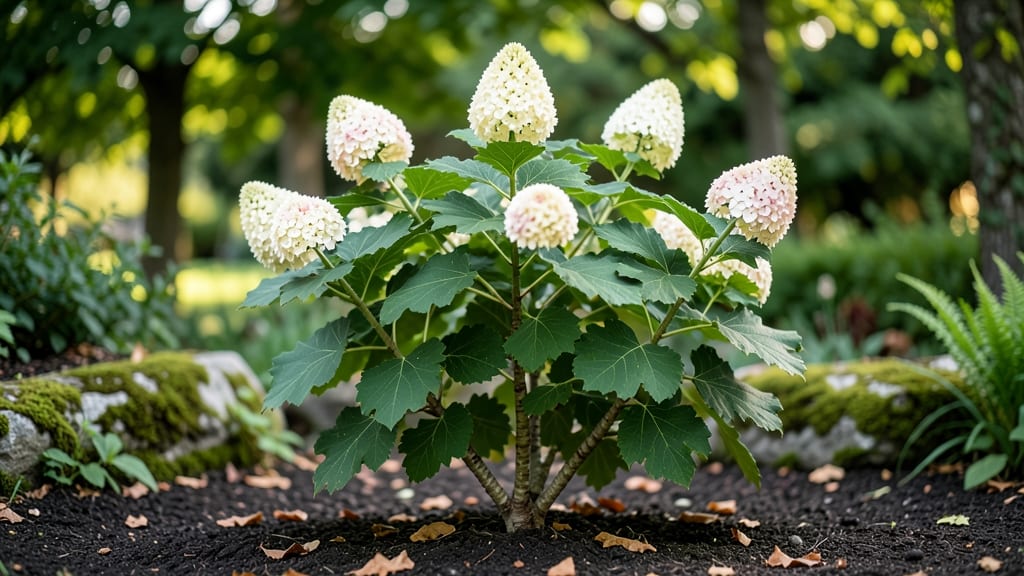
The oak leaf hydrangea’s bloom is nature’s own mood ring—shifting from crisp white to soft pink as the seasons turn, all while its leaves blaze with autumn reds 🌸.
But here’s the catch: those vibrant blooms and fiery foliage don’t happen by accident. Too much sun scalds the leaves, while too little light means pale, sparse flowers. And if you’ve ever pruned at the wrong time, you’ve basically told your hydrangea to skip the show entirely.
In this guide, I’ll walk you through the exact care routine that keeps your oak leaf hydrangea blooming longer and more dramatically—from soil tweaks that boost color intensity to the pruning schedule that ensures next year’s flowers arrive on time.
You’ll also learn how to troubleshoot the most common bloom-killers, like overwatering or wrong pH, so you can enjoy that showstopping display from spring through fall.
Why oak leaf hydrangea blooms change color by season (and how to enhance it)
The oak leaf hydrangea (Hydrangea quercifolia) is famous for its seasonal color metamorphosis, but the science behind this transformation is fascinating. Its blooms shift from pure white in spring to soft pink in summer, while foliage deepens from green to fiery red.
These changes aren’t random—they’re triggered by pH levels, sunlight exposure, and temperature fluctuations. Understanding these factors lets you enhance the color and prolong the show.
At the heart of the color shift is anthocyanin production, the same pigment that turns leaves red in autumn. When cool nights and bright sunlight combine, your hydrangea ramps up anthocyanins, intensifying foliage colors.
Meanwhile, soil pH directly affects bloom hues—acidic soil (pH < 6.0) produces blue-purple blooms, while alkaline soil (pH > 7.0) yields pink blooms. The oak leaf variety, however, is less pH-sensitive than mophead types, focusing more on seasonal light and temperature cues.
To maximize these natural shifts, start by testing your soil pH with a simple kit. Aim for a slightly acidic range (5.5–6.5) to encourage vibrant foliage and blooms. Pair this with morning sunlight (3–4 hours daily) and afternoon shade to protect leaves from scorching while still fueling anthocyanin production.
Even winter temperatures play a role—cold snaps below 30°F can trigger deeper reds in spring foliage, making winter protection a key strategy.
| Season | Key Color Triggers | Care Tip | Bloom Hue Result |
|---|---|---|---|
| Spring | Cool nights (50°F), morning sun | Prune late winter to encourage new growth | Pure white blooms, green foliage |
| Summer | Warm days (80°F+), pH 5.5–6.5 | Add compost for nutrients | Blush pink blooms, bronze foliage |
| Fall | Anthocyanins from cool temps (40–60°F) | Apply mulch to retain moisture | Fiery red foliage, dried blooms |
| Winter | Dormancy, 30°F+ protection | Prune dead stems in late winter | Brown buds (future spring blooms) |
For longer-lasting blooms, focus on root health—hydrangeas thrive with well-draining, organic-rich soil. Amend clay soil with peat moss or compost to improve aeration and nutrient uptake. In containers, use a 50/50 mix of potting soil and perlite to prevent root rot, which can weaken blooms.
Water deeply once weekly (or daily in summer heat) to encourage strong stems that support heavy flower clusters.
Pruning plays a critical role in seasonal color enhancement. Unlike mophead hydrangeas, oak leaf hydrangeas bloom on old wood, so avoid heavy pruning until after blooms fade in late summer. Instead, remove dead or crossing branches in late winter to improve air circulation and sunlight penetration.
This opens the canopy, allowing more light to reach inner foliage and intensify fall colors.
To boost anthocyanin production for richer fall foliage, apply a balanced fertilizer (10-10-10) in early spring and again after summer blooms. Avoid high-nitrogen fertilizers, which promote leafy growth at the expense of vibrant colors.
Instead, opt for potassium-rich amendments like wood ash (to raise pH slightly) or sulfur (to lower pH) based on your soil test results. Even a light layer of mulch around the base helps regulate soil temperature and moisture, supporting consistent color shifts.
If your oak leaf hydrangea’s blooms are fading too quickly, check for overhead watering, which can cause fungal diseases like powdery mildew. Water at the base of the plant in the morning to keep foliage dry.
Additionally, deadheading spent blooms in late summer can redirect the plant’s energy into new growth for next season’s display. This simple step extends the visual appeal and encourages larger, more vibrant blooms in spring.
For year-round interest, pair your hydrangea with complementary plants like Japanese maple (for fall color contrast) or heuchera (for textured foliage). These combinations create a multi-seasonal showcase while protecting your hydrangea’s roots from extreme temperatures.
With the right care, your oak leaf hydrangea will become the star of your garden, shifting through seasons like a living watercolor painting.
🌸
Best pruning and care schedule to maximize oak leaf hydrangea blooms
Timing is everything when it comes to oak leaf hydrangea blooms. These stunning shrubs produce their showstopping flowers on old wood, meaning last year’s growth holds this year’s blooms.
If you prune at the wrong time, you risk cutting off potential flowers before they even appear. The key is a two-phase pruning strategy that balances winter cleanup with summer shaping.
Start by understanding your hydrangea’s bloom cycle. Flowers form on stems that grew the previous year, so aggressive pruning in late winter can remove next season’s blooms.
Instead, focus on light shaping in late winter and post-bloom maintenance to encourage both foliage color and flower production. Let’s break down the exact steps for each season.
Your first pruning window opens in late winter (February-March), just as new growth begins. This is when you remove dead, diseased, or weak stems down to the base. Use clean, sharp bypass pruners to make cuts at a 45-degree angle just above a bud or branch junction.
Avoid heavy pruning—never remove more than 25% of the plant’s total volume in one session.
After the initial bloom season (typically June-July), shift to light maintenance pruning. Once flowers fade, remove spent blooms by cutting stems back to the nearest healthy leaf node.
This redirects energy to new foliage growth and prepares the plant for its fall color transformation. Never cut into old wood—always leave last year’s stems intact.
Watering and fertilizing play equally critical roles in maximizing hydrangea blooms. Water deeply once weekly during the growing season, ensuring the root zone stays consistently moist but not soggy.
In early spring, apply a balanced fertilizer (10-10-10) to encourage robust growth. Avoid fertilizing after mid-summer, as new growth won’t harden off before winter.
For extended bloom duration, mulch around the base with 2-3 inches of organic mulch (like shredded bark) to retain moisture and regulate soil temperature. This simple step can double your bloom season by protecting roots from temperature swings.
With this schedule, your oak leaf hydrangea will reward you with vibrant foliage and abundant blooms year after year.