
Light Requirements
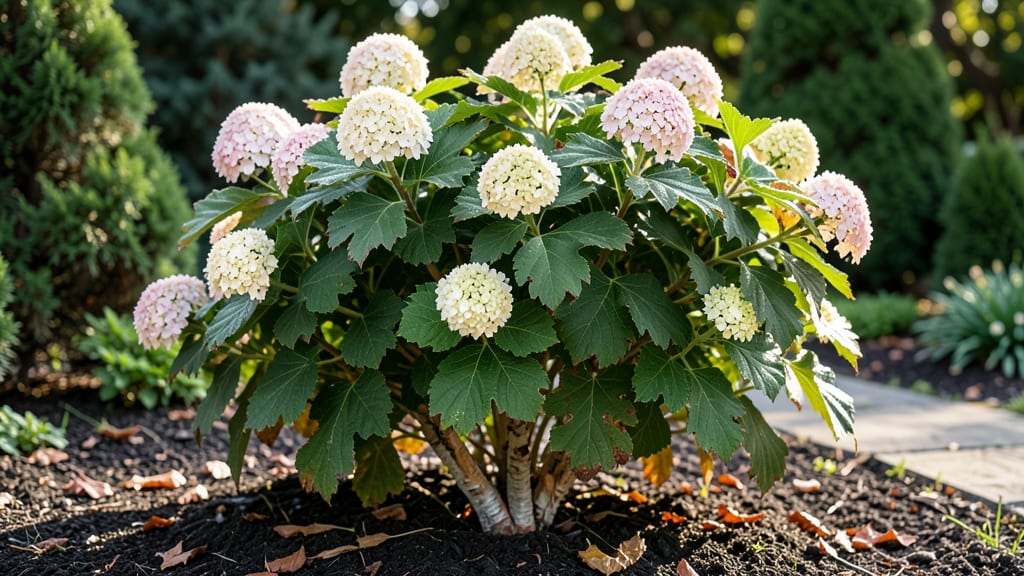
The oak leaf hydrangea light requirements are simple but critical—morning sun and afternoon shade create the perfect balance for lush foliage and vibrant blooms. Struggling to keep your oak leaf hydrangea thriving?
The right light balance—morning sun paired with afternoon shade—can transform your plant from struggling to show-stopping in just one season.
Too much direct sun leads to crispy leaves, while too little shade means sparse blooms. Finding that sweet spot isn’t just about placement—it’s about understanding how light changes with the seasons and your local climate.
Below, I’ll break down the ideal light setup, how to spot when your plant isn’t getting enough (or too much), and seasonal tweaks to keep your hydrangea happy year-round.


Optimal morning sun vs afternoon shade balance for oak leaf hydrangeas
If you're growing oak leaf hydrangeas (Hydrangea quercifolia), the morning sun to afternoon shade combination isn't just ideal—it's essential for their health and vibrant blooms. These beauties love dappled sunlight, but too much midday sun can scorch their delicate leaves and flowers.
I've found that 3-4 hours of morning sun followed by 4-6 hours of filtered shade creates the perfect balance for my plants.
The key is understanding why this works. Morning sun provides the gentle energy boost your hydrangea needs to photosynthesize without overheating. Afternoon shade protects them from the intense afternoon rays that can cause leaf burn and wilting. This balance also encourages larger, more abundant blooms—something every gardener wants!
| Light Condition | Morning Sun Hours | Afternoon Shade Hours | Plant Response | Best For |
|---|---|---|---|---|
| Ideal Balance | 3-4 hours | 4-6 hours | Healthy growth, vibrant blooms, minimal leaf scorch | Established plants in USDA Zones 5-9 |
| Too Much Sun | 5+ hours | 2+ hours | Leaf burn, yellowing, reduced blooms | Hot, dry climates without afternoon shade |
| Insufficient Sun | 1-2 hours | 7+ hours | Leggy growth, sparse blooms, pale leaves | Deep shade gardens or north-facing yards |
| Container Adjustment | 2-3 hours | 5-7 hours | Slower growth but healthier in pots | Patio or balcony plantings |
For young oak leaf hydrangeas, I recommend starting with 2-3 hours of morning sun and gradually increasing to 4 hours over their first growing season. This acclimation process helps them develop thicker leaves that can handle more sunlight without damage.
I've seen firsthand how slowly introducing sun prevents sunburn and stress on new plants.
One of my favorite tricks is using lattice screens or sheer curtains to filter afternoon light. These create the perfect dappled shade effect while still allowing some indirect sunlight to reach the leaves.
If you're planting near a tree with sparse branches, that can work too—just make sure the canopy isn't too dense.
In hotter climates (Zones 8-9), you might need to provide additional afternoon shade during peak summer months. I've used lightweight shade cloth (30-50% blockage) with great results. The goal is to keep leaf temperatures below 85°F (29°C)—any hotter and you'll see leaf scorch and wilting.
Don't forget that container-grown hydrangeas need slightly different care. Pots heat up faster, so they often require more afternoon shade than in-ground plants. I always move my potted oak leaf hydrangeas to a shadier spot during the hottest part of the day, especially in July and August.
When it comes to bloom production, the light balance makes a huge difference. My plants that get the perfect morning sun/afternoon shade combo produce larger, more abundant flowers than those in full shade or too much sun.
The morning energy fuels growth, while the afternoon shade protects the delicate flower buds from drying out.
If you're still unsure about your plant's light conditions, try this simple test: Place your hand near the plant at noon. If you can see your shadow clearly on the leaves, it's getting too much direct sun.
If the light is soft and diffused, you're likely in the ideal range. Adjust as needed based on your observations.
Remember, every garden is unique. What works perfectly in my Zone 7 garden might need slight adjustments for your climate. The key is to observe your plant, monitor its response, and adjust gradually.
With the right light balance, your oak leaf hydrangea will reward you with lush foliage and show-stopping blooms all season long. 🌿☀️🌳
Signs your oak leaf hydrangea isn’t getting the right light
Your oak leaf hydrangea might be silently screaming for help if its leaves are telling a different story than your sunny intentions. These plants thrive with morning sun and afternoon shade, but too much or too little light can leave them looking sad.
I’ve seen yellowing leaves, sparse blooms, and leggy stems all signal light-related stress.
First, check the leaf color. Bright yellow leaves often mean too much direct afternoon sun, while pale, weak leaves suggest insufficient light. Even the bloom size can be a dead giveaway—small, sparse flowers usually mean your plant isn’t getting enough light to fuel its growth.
Your oak leaf hydrangea needs 3-6 hours of morning sun but afternoon shade to avoid leaf scorch. Too much sun? Brown crispy edges appear. Too little? Leggy, weak growth takes over. Act now—adjust placement or add shade cloth!
If your plant looks tall and stretched, it’s reaching for light like a kid at a carnival. This leggy growth happens when your hydrangea isn’t getting enough light to photosynthesize properly.
Move it to a brighter spot but protect it from harsh afternoon rays with a sheer curtain or nearby tree.
Another red flag? Fewer blooms than usual. Oak leaf hydrangeas need balanced light to produce those stunning cone-shaped flowers. If you’re seeing mostly leaves and no flowers, your plant might be getting too much shade.
Try relocating it to a spot with dappled sunlight for at least half the day.
For container-grown hydrangeas, light needs change faster. If your potted plant is near a west-facing window, it’s likely getting too much intense afternoon sun. Rotate the pot quarter-turns weekly to ensure even light exposure, or move it to a north-facing spot during peak heat hours.
Don’t ignore leaf edges—they’re your plant’s way of communicating. Brown, crispy edges mean sunburn, while purple tinges can signal too much shade. Adjust gradually: if moving to more light, do it over 1-2 weeks to avoid shocking the plant.
And always water deeply after relocating to help it recover.