
Aphids
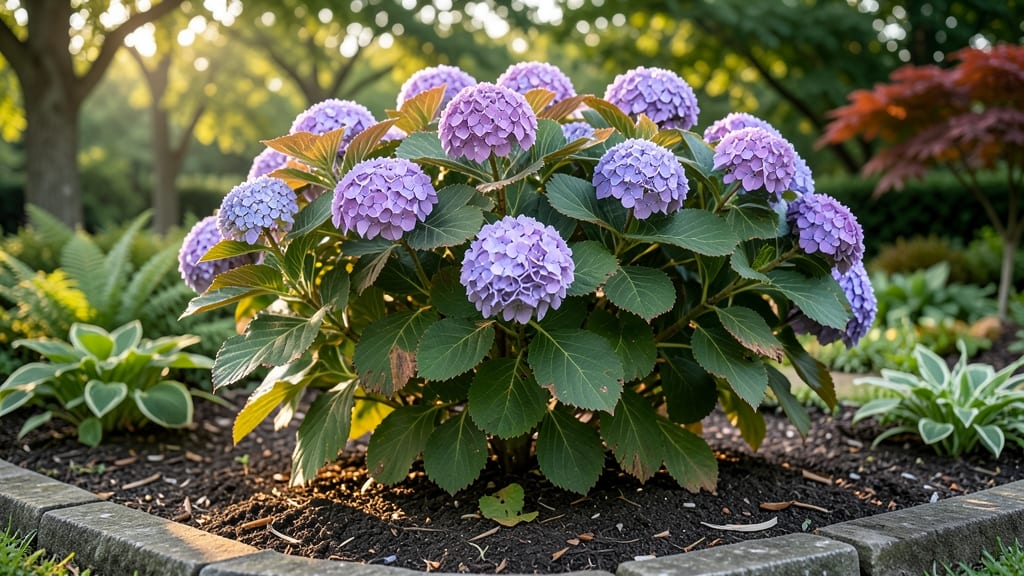
Growing the Oakleaf Hydrangea 'Amethyst' transforms shady corners into purple-dappled dream spots. 🌿 Its velvety leaves and cascading blooms thrive where other plants struggle, making it the perfect shade garden star.
I’ve watched mine spread from a single container into a lush, 6-foot-tall focal point in just three seasons—with minimal fuss. The secret lies in its adaptability: rich, moist soil, partial shade, and a little winter protection.
Unlike fussy hydrangeas, 'Amethyst' handles everything from morning sun to deep shade, and its amethyst-tinged foliage adds drama year-round. Even my first attempt—planted in a too-dry spot—survived and bloomed, proving it’s nearly foolproof.
By late summer, you’ll be snapping photos of its lavender-pink blooms and bronze fall foliage, while neighbors ask how you did it. The plant rewards patience with three seasons of interest, from spring buds to winter silhouette. Works in zones 5-9, from city patios to woodland edges.
Here’s how to get started without the guesswork.
📚 In This Guide
- What you need
- Instructions
- Tips and common mistakes
- Wrapping up and next steps
What you need
- ● Oakleaf Hydrangea 'Amethyst' plant: 1 mature plant (3–5 gallons in container) or 3–5 bare-root seedlings for hedging.
- ● High-quality, well-draining potting mix: 1 bag (1.5–2 cubic feet) for containers or amend native soil with compost (5–10 gallons) for in-ground planting.
- ● Slow-release fertilizer: 1 lb (16 oz) of 10-10-10 or 20-20-20 (organic options like bone meal or worm castings work too!).
- ● Mulch: 2–3 inches of pine bark fines or shredded leaves to retain moisture and suppress weeds.
- ● Garden trowel or spade: For digging holes (12–18 inches wide/deep for containers, 2x the root ball for in-ground).
- ● Pruning shears: Bypass pruners (sharp and clean!) for shaping.
- ● Garden hose or watering can: With a spray nozzle for gentle watering.
- ● Gloves: Heavy-duty work gloves to protect hands from thorns and soil.
- ● Measuring tape: To ensure proper spacing (3–5 feet apart for shrubs).
- ● Soil pH tester: Oakleaf hydrangeas thrive in acidic soil (pH 5.5–6.2)—adjust with sulfur or peat moss if needed.
- ● Epsom salt: 1 tbsp mixed into soil for magnesium boost (especially in alkaline soils).
- ● Plant support (stakes or cages): For young plants in windy areas.
- ● Landscape fabric: To block weeds under mulch.
- ● Aphid spray (neem oil or insecticidal soap): Preemptive strike against aphid pests!
Step-by-Step guide to planting and caring for oakleaf hydrangea 'Amethyst'
This stunning shade-loving shrub thrives with the right site prep and ongoing attention—here’s how to coax its signature purple blooms.
🌿 Step 1: Choose the Perfect Planting Location
Oakleaf hydrangeas like partial to full shade, especially in hotter climates where afternoon sun can scorch leaves. Look for a spot with morning sun and afternoon shade—this balances bloom intensity while protecting delicate foliage. The 'Amethyst' cultivar tolerates more light than other oakleaf types, but avoid harsh, direct afternoon rays.
Check the area for well-draining soil. These shrubs hate soggy roots, so if your yard retains water, amend with 2-3 inches of compost mixed into the top 12 inches of soil. Dig a hole twice as wide as the root ball but only as deep—planting too deep suffocates roots and causes stress.
🪴 Step 2: Plant with Proper Spacing and Soil Prep
Space your 4 plants 6-8 feet apart to allow airflow and future growth. Oakleaf hydrangeas mature to 6-8 feet tall and wide, so crowding leads to crowded canopies and disease. Loosen the root ball gently if roots are circling—this encourages outward growth instead of girdling.
Backfill with the native soil-compost mix, tamping lightly to remove air pockets. Water deeply to settle the soil and eliminate gaps. I like to add a 1-inch layer of mulch (like pine bark) around the base, keeping it 3 inches away from the trunk to prevent rot. Mulch conserves moisture and regulates soil temperature—critical for shade plants.
☀️ Step 3: Water and Fertilize for Strong Growth
Keep soil evenly moist but not soggy for the first 6-8 weeks—this establishes a strong root system. Water deeply 2-3 times per week until new growth appears, then taper to once weekly in established plants. Check moisture by sticking your finger 2 inches into the soil—if it’s dry, water; if damp, wait.
Feed with a balanced, slow-release fertilizer (10-10-10) in early spring to support new shoots. Avoid high-nitrogen fertilizers—they promote leafy growth at the expense of blooms. I also add a handful of bone meal at planting to encourage root development. Prune back any dead or crossing branches now to improve airflow and shape.
✂️ Step 4: Prune for Blooms and Seasonal Health
Prune late winter or early spring (before new growth starts) to shape the shrub and remove dead wood. Oakleaf hydrangeas bloom on old and new wood, so avoid heavy pruning—focus on cleaning up last year’s growth and thinning crowded branches. Cut just above a bud or leaf node, using clean, sharp shears to prevent tearing.
In late summer, after blooms fade, trim spent flower heads but leave the foliage—it provides winter interest and protects buds. The distinctive oak-shaped leaves turn fiery red in fall, so avoid heavy pruning that removes too much foliage. Prune again lightly in early spring to encourage fresh growth for the season.
🌱 Step 5: Overwinter for Next Year’s Blooms
Mulch heavily in late fall with 4-6 inches of mulch to insulate roots from freezing temperatures. Oakleaf hydrangeas are hardy to USDA Zone 5, but younger plants benefit from extra protection. Water sparingly in winter unless temperatures drop below 20°F, then give a deep soak to prevent desiccation.
Watch for hydrangea gall mite, which causes distorted leaves—treat with horticultural oil if spotted. In early spring, remove old mulch and check for signs of winter damage. If branches appear dead, prune them out in late winter to encourage new growth. With proper care, your 'Amethyst' will reward you with vibrant purple blooms from mid to late summer.
Tips & tricks for perfect oakleaf hydrangea 'Amethyst' planting
These pro-level insights will help you transform your shade garden into a purple-blossom paradise with minimal stress.
Soil Science Matters: The 2-3 inches of compost mixed into the top 12 inches of soil isn't just about drainage—it creates the perfect microbial environment for root development. I recommend testing your soil's pH before planting; oakleaf hydrangeas prefer slightly acidic soil (pH 5.5-6.5) for optimal purple bloom color. If your soil is alkaline, amend with sulfur or peat moss according to test results. This simple step can dramatically intensify those signature lavender blooms.
Root Ball Strategy: When loosening that root ball in Step 2, focus on the outer edges where new root growth will emerge. I've seen gardeners accidentally cut through healthy roots when being too aggressive—just gently separate the circling roots with your fingers. This encourages outward growth rather than girdling, which is crucial for the 6-8 feet mature size these shrubs reach. Think of it as giving your plant's roots room to breathe and expand.
Mulch Mastery: That 1-inch layer of mulch you add after planting isn't just for looks—it's a moisture regulator and temperature stabilizer. I've noticed that pine bark mulch breaks down more slowly than straw, providing long-term benefits. Just remember to keep it 3 inches away from the trunk to prevent rot. In hotter climates, consider adding a second layer in summer to protect those shallow roots from temperature fluctuations.
Winter Protection: The 4-6 inches of mulch you apply in late fall creates an insulating blanket that can make the difference between thriving and struggling plants in Zone 5 winters. I've found that adding a layer of evergreen boughs over the mulch provides extra wind protection for young plants. And that 20°F threshold? It's when you should give your hydrangeas that deep soak—this prevents winter desiccation that can occur even in dormant plants.
Pro Tips for Oakleaf Hydrangea Amethyst
- These pro-level insights will help you transform your shade garden into a purple-blossom paradise with minimal stress.
- Soil Science Matters: The 2-3 inches of compost mixed into the top 12 inches of soil isn't just about drainage—it creates the perfect microbial environment for root development.
- Root Ball Strategy: When loosening that root ball in Step 2, focus on the outer edges where new root growth will emerge.
Frequently asked questions
about Oakleaf Hydrangea 'Amethyst'—because every gardener deserves clarity! Here are answers to the most common queries to help you grow this stunning shade-loving beauty with confidence.Is Oakleaf Hydrangea 'Amethyst' truly purple, or does it change color?
The 'Amethyst' variety starts with soft lavender-pink blooms in spring, but they deepen into rich, amethyst-purple hues as summer progresses. In fall, the leaves turn fiery shades of red and orange—adding seasonal drama! Expect a 360° color transformation from spring to autumn.
How long does it take for Oakleaf Hydrangea 'Amethyst' to bloom after planting?
Patience is key! Newly planted hydrangeas may take 1–2 years to establish roots and produce their first blooms. Once mature, they reward you with abundant flowers in late spring to summer. Prune in late winter or early spring to encourage healthy growth and more flowers the following season.
Why aren’t my 'Amethyst' hydrangea leaves turning purple, and what can I fix?
If your leaves lack color, check these culprits:
- Sunlight: Too much shade? Move to partial shade (morning sun + afternoon shade).
- Soil pH: Acidic soil (pH 5.5–6.0) enhances purple hues. Test your soil and amend with peat moss or sulfur if needed.
- Watering: Overwatering or drought stress can dull colors. Aim for 1–1.5 inches of water weekly.
Can I grow Oakleaf Hydrangea 'Amethyst' in a pot, and what’s the best container size?
This hydrangea thrives in containers, especially in USDA Zones 5–9. Choose a large pot (at least 18–24 inches wide) with drainage holes and use a well-draining potting mix. Move pots to protected areas in winter if temps drop below 10°F (-12°C).
Are Oakleaf Hydrangeas prone to pests, and how do I protect them?
While generally pest-resistant, 'Amethyst' can attract aphids, spider mites, or scale insects in dry conditions. Combat them with:
- Prevention: Mulch around the base and water deeply to deter pests.
- Treatment: Spray with neem oil or insecticidal soap for mild infestations.
- Birds & Beneficial Insects: Encourage ladybugs—they’re natural aphid predators!
Wrapping up and next steps
The Oakleaf Hydrangea 'Amethyst' is a stunning, low-maintenance gem that transforms shade gardens into lush, purple-draped retreats. 🌿 With its vibrant blooms, striking foliage, and adaptability, it’s perfect for gardeners seeking both beauty and resilience.
Whether you’re a beginner or a seasoned pro, adding this hydrangea to your landscape will bring years of color and charm.
Ready to dive in? Start by selecting the perfect spot—whether it’s a shady corner or a woodland edge—and watch your garden bloom with effortless elegance! 🌸