
Light Requirements
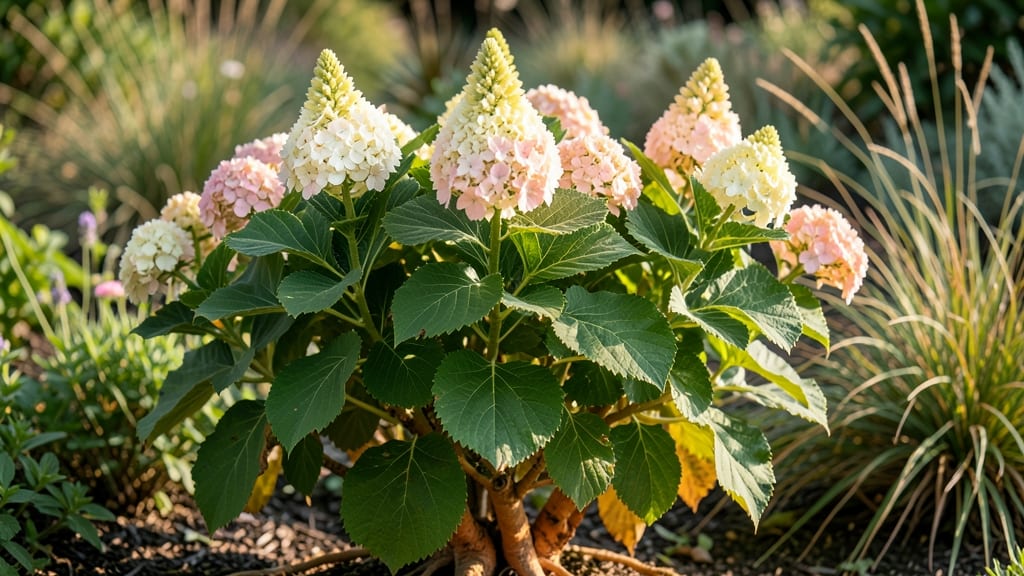
Growing an oakleaf hydrangea in full sun 🌸 is totally possible with the right tricks—most gardeners assume these beauties need shade, but heat-tolerant varieties can thrive in bright conditions.
Struggling to keep yours alive under scorching rays? You’re not alone—most hydrangeas wilt without shade, but the key is choosing the right cultivar and adjusting care routines to beat the heat.
In this guide, I’ll walk you through the best sun-resistant varieties, pruning hacks to boost leaf size and blooms, and pro tips for mulching, watering, and soil prep that keep roots cool.
By the end, you’ll have a hydrangea that not only survives full sun but flourishes in it—no wilting in sight!

Top 5 heat-tolerant oakleaf hydrangea varieties for full sun
If you've always thought oakleaf hydrangeas need shade to thrive, think again! While they're famous for loving dappled light, some heat-tolerant varieties can handle full sun with ease—especially in USDA Zones 6-9.
The key lies in choosing the right cultivar and giving them proper care. Let me introduce you to the top 5 sun-loving oakleaf hydrangeas that will flourish in your hottest garden spots.
These varieties stand out for their bold foliage colors, prolonged bloom times, and drought tolerance. Whether you're in the deep South or a hot inland region, these plants will reward you with vibrant blooms and stunning fall foliage—even under the harshest sun.
Let’s dive into their unique traits and why they’re perfect for full-sun gardens.
🌡️ Pro Tip: All these varieties benefit from morning sun exposure and afternoon shade in the hottest climates. If your area gets intense afternoon sun, consider using light shade cloth during peak heat hours.
Among these, 'Snow Queen' and 'Drowner' are my top picks for extreme heat zones like Zone 8-9. Their deep-root systems and thick leaves help them retain moisture, while 'Alice' and 'Tif Honey' bring vibrant foliage colors that keep your garden popping even in summer's peak.
For gardeners in Zone 6, 'Pincushion' is a compact powerhouse that blooms reliably and handles early spring frosts better than most. Its smaller size also makes it perfect for container gardening in sunny patios.
If you're looking for a statement plant, 'Drowner' delivers with its dramatic color shifts from bronze to deep red.
One of the biggest mistakes I see is assuming all oakleaf hydrangeas need afternoon shade. While that’s true for most, these heat-tolerant varieties can actually benefit from full morning sun—it kickstarts their growth and intensifies their fall colors.
Just be sure to water deeply 2-3 times per week during heatwaves to prevent leaf scorch.
If you're planting in full sun, focus on amending your soil with organic matter like compost or peat moss to improve moisture retention. A 3-inch layer of mulch around the base will also help regulate soil temperature and reduce water evaporation.
I’ve found that hydrangea-specific fertilizer with higher potassium levels
Full-sun pruning secrets to keep oakleaf hydrangeas thriving
Pruning oakleaf hydrangeas for full sun requires a different approach than their shade-loving cousins. The key is timing and strategic cuts to prevent leaf scorch while encouraging lush foliage and abundant blooms. In full sun, these hydrangeas need more air circulation and less dense growth to avoid heat stress.
I’ve found that late winter or early spring is the sweet spot for most pruning tasks, but adjustments are needed based on your climate zone.
Start by identifying dead or damaged branches—these are your first targets. Look for branches that are brown, brittle, or showing signs of sunburn (yellowing or crispy edges). Removing these immediately improves airflow and reduces stress on the plant.
Next, focus on thinning out crowded stems to let sunlight penetrate deeper into the shrub. This step is critical in full sun, where dense foliage can trap heat and lead to leaf scorch or fungal issues.
Prune after the last frost but before new growth starts. Remove 1/3 of the oldest stems at the base to encourage fresh, vigorous growth. This is your chance to shape the shrub while it’s dormant.
In full sun, lightly trim any leggy or overcrowded branches in early summer (June). Cut back by 1/4 to 1/2 of the stem length to promote bushier growth. Avoid heavy pruning now—it can stress the plant during peak heat.
After flowers fade in August-September, prune spent blooms but leave the seed heads if you want winter interest. Cut back 1/3 of the oldest stems to the first set of healthy leaves. This encourages larger leaves and more robust blooms next season.
Remove any remaining dead or diseased branches and mulch heavily (3-4 inches) to protect roots from winter temperature swings. Avoid heavy pruning now—it can stimulate new growth that won’t harden off before frost.
One of my biggest mistakes was pruning too late in the season. I once cut back my oakleaf hydrangea in October, and the new growth didn’t have time to mature before the first frost. Now, I always finish pruning by mid-October in my Zone 7 garden.
If you live in a warmer zone (8-9), you can extend pruning slightly later, but never after the first frost—this can invite pests and diseases.
For larger leaves and more flowers, focus on pruning for structure. Aim to keep 3-5 main stems as your framework. This creates a stronger shrub that can handle full sun better.
Use clean, sharp pruners to make cuts at a 45-degree angle just above a leaf node or bud. This encourages outward growth and prevents water from pooling on the cut, which can lead to rot.
Finally, watch for visual cues like yellowing leaves or drooping stems—these are signs your hydrangea is struggling with heat. If you see leaf scorch (brown, crispy edges), it’s time to provide afternoon shade with a lightweight shade cloth or move potted plants to a slightly shadier spot.
With the right pruning, your oakleaf hydrangea can thrive in full sun and reward you with stunning foliage and blooms year after year.