
Aphids
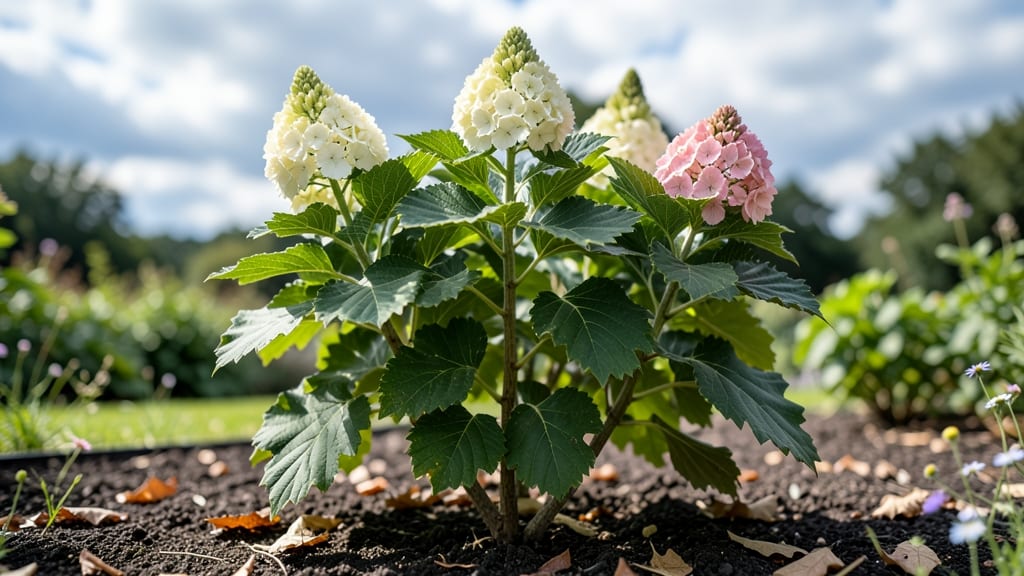
Nothing beats the drama of oakleaf hydrangea hydrangea quercifolia's heart-shaped leaves turning fiery red in fall. 🌿 This deciduous shrub isn't just about blooms—it's a foliage superstar that delivers year-round interest from its unique oak-like leaves to late-summer flowers and stunning fall color.
The secret to growing one that wows? Mimicking its native woodland home with the right light, soil, and care.
Oakleaf hydrangeas thrive in partial shade (morning sun, afternoon shade) and rich, moist, well-draining soil. They're tougher than they look—drought-tolerant once established—but they'll reward you with vibrant blooms and that signature fall foliage if you give them consistent moisture and occasional pruning.
The heart-shaped leaves alone make them worth growing, but the fragrant white flowers in summer and fiery fall colors? That's the real showstopper.
You'll love how low-maintenance they are once planted. Just water deeply during dry spells, prune spent blooms in late winter, and watch as this shrub becomes the standout focal point of your garden.
The oak-shaped foliage adds texture, while the seasonal color changes keep your garden exciting all year. No other hydrangea delivers this much drama in a single package.
Perfect for borders, woodland gardens, or as a specimen plant. With the right care, your oakleaf hydrangea will be the talk of the neighborhood—and your garden's most photographed star. Let's get yours growing strong!
📚 In This Guide
- What you need
- Instructions
- Tips and common mistakes
- Wrapping up and next steps
What you need
- ● Oakleaf hydrangea plant: 1 nursery-grown plant (3–5 gallons container, 1–2 years old for best results) OR
- ● Seeds (if starting from scratch—though propagation via cuttings is easier for this variety)
- ● Planting site: Partially shaded area (4–6 hours of morning sun, afternoon shade in hot climates)
- ● Well-draining soil (amend with compost if needed—oakleaf hydrangeas hate soggy roots!)
- ● Tools: 1 garden trowel or spade
- ● 1 pair of pruning shears (sterilized with rubbing alcohol)
- ● 1 wheelbarrow or bucket (for soil/compost)
- ● 1 hose with spray nozzle (for watering)
- ● Mulch (2–3 inches of pine straw or shredded bark to retain moisture)
- ● Slow-release fertilizer (10-10-10 or acidic fertilizer for hydrangeas)
- ● Plant stakes (if your area gets windy—oakleaf hydrangeas can grow 6–10 ft tall!)
- ● pH test kit (to monitor soil acidity—ideal range: 5.0–6.0 for blue blooms)
- ● Insecticidal soap or neem oil (preventative for aphids, which love hydrangeas 🐜)
Step-by-step guide to planting and caring for oakleaf hydrangea
Here's how to establish your hydrangea quercifolia for vibrant foliage and stunning seasonal color.
🌱 Step 1: Choose the Perfect Planting Location
Oakleaf hydrangeas thrive in partial shade—think dappled sunlight with 4-6 hours of morning sun and afternoon shade protection. The heart-shaped leaves burn easily in harsh afternoon rays, so avoid full sun spots. I always scout the site first by observing how sunlight moves across the area throughout the day.
Dig a hole twice as wide as the root ball but only as deep. This encourages roots to spread horizontally rather than settling too deeply. Amend the native soil with 2-3 inches of organic matter—compost or well-rotted leaf mold—mixed into the bottom and sides of the hole. This improves drainage while retaining moisture, which oakleaf hydrangeas love.
🪴 Step 2: Plant at the Right Depth and Water Thoroughly
Position the plant so the top of the root ball sits 1-2 inches above ground level. This prevents crown rot from sitting water. Gently remove any circling roots or root-bound clusters to encourage outward growth. I like to tease the roots apart with my fingers if they're tightly wrapped around the container.
Backfill with the amended soil, pressing lightly to eliminate air pockets. Water deeply until moisture reaches 12 inches down—you'll know it's enough when water pools on the surface for a few seconds. Mulch with 3 inches of shredded bark or pine needles, keeping it 6 inches away from the stem to prevent rot.
☀️ Step 3: Maintain Consistent Moisture and Fertility
Water once weekly during the first growing season, aiming for 1-1.5 inches of water per week. Let the top 2-3 inches of soil dry out between waterings—hydrangeas hate soggy roots but need steady moisture. I check by sticking my finger into the soil; if it feels dry at that depth, it's time to water.
Fertilize in early spring with a balanced, slow-release granular fertilizer (10-10-10) applied at half the recommended rate. Oakleaf hydrangeas are less fussy about fertilizer than other varieties, but a light feeding encourages lush foliage. Avoid high-nitrogen fertilizers—they promote leaf growth at the expense of those stunning fall colors.
✂️ Step 4: Prune for Shape and Seasonal Interest
Prune late winter or early spring before new growth begins. Remove dead, diseased, or crossing branches first, then shape the plant by cutting back last year's growth to an outward-facing bud. Never prune into old wood—you'll sacrifice next year's blooms. I like to keep the natural, rounded shape but open the center for better air circulation.
In late summer, deadhead spent blooms but leave the seed heads for winter interest. The oakleaf hydrangea's fall foliage is its star feature—those leaves turn crimson, orange, and gold—so avoid heavy pruning that removes next year's leaf buds. A light trim after flowering keeps the plant tidy without sacrificing seasonal drama.
⏰ Step 5: Prepare for Winter and Encourage Year-Round Beauty
Mulch heavily in late fall with 4-6 inches of mulch to protect roots from freezing temperatures. Oakleaf hydrangeas are hardy to USDA Zone 5, but younger plants benefit from extra insulation. I always wait until the ground is frozen to apply mulch—this prevents rodents from nesting in the warm soil.
Prune out any damaged branches in early spring after the last frost. The oakleaf hydrangea's exfoliating bark and winter seed heads add texture to the garden even when nothing else is blooming. Water sparingly in winter only if the ground is unfrozen and you haven't had rainfall for 4-6 weeks—hydrangeas are drought-tolerant once established but appreciate moisture in dry spells.
Tips & tricks for perfect oakleaf hydrangea planting and care
These insider tips will help you cultivate a thriving oakleaf hydrangea that delivers stunning foliage year after year.
Lighting Insight: When selecting your planting spot, pay close attention to how sunlight moves throughout the day. The 4-6 hours of morning sun is ideal, but afternoon shade is non-negotiable—those delicate heart-shaped leaves can scorch in direct afternoon rays. I've seen many gardeners make the mistake of planting in full sun, only to watch their hydrangea struggle with leaf burn. If you don't have natural shade, consider using a sheer fabric shade cloth (30-50% coverage) during peak afternoon hours.
Root Development Strategy: The wide planting hole you create—twice as wide as the root ball—isn't just about accommodating roots. This technique encourages outward root growth, which creates a more stable plant. After planting, I like to gently press the soil around the edges to eliminate air pockets, then water thoroughly. The key is to maintain that 12-inch moisture depth—this ensures roots establish properly in their new environment. Pro tip: Water slowly to allow absorption rather than creating surface runoff.
Seasonal Pruning Timing: The late winter or early spring pruning window is critical for oakleaf hydrangeas. This timing allows you to shape the plant while it's still dormant but before new growth begins. I always make my cuts just above an outward-facing bud—this ensures new growth will continue the plant's natural shape. Remember, you're pruning last year's growth, not this year's blooms. For the late summer deadheading, leave those seed heads—they add wonderful winter interest and become part of the plant's year-round beauty.
Winter Protection: That 4-6 inches of mulch in late fall isn't just about insulation—it's a protective barrier against temperature fluctuations. I've found that waiting until the ground is frozen before applying mulch prevents rodents from nesting in the warm soil. For younger plants in colder climates, consider adding a layer of burlap around the base before the first hard frost. This extra protection can make all the difference in their first winter survival.
Pro Tips for Oakleaf Hydrangea Hydrangea Quercifolia
- These insider tips will help you cultivate a thriving oakleaf hydrangea that delivers stunning foliage year after year.
- Lighting Insight: When selecting your planting spot, pay close attention to how sunlight moves throughout the day.
- Root Development Strategy: The wide planting hole you create—twice as wide as the root ball—isn't just about accommodating roots.
Frequently asked questions
Got questions about growing Hydrangea quercifolia?
You’re not alone! Here are answers to the most common queries about this stunning, low-maintenance shrub—from pruning to pests and beyond.
How fast does Oakleaf Hydrangea grow, and how big does it get?
Hydrangea quercifolia is a moderate grower, typically adding 12–24 inches per year in ideal conditions. Mature plants reach 6–10 feet tall and wide, though dwarf varieties stay under 4 feet. Give it space—this shrub loves to spread its oak-shaped leaves!
When and how should I prune Oakleaf Hydrangea?
Prune right after flowering (late summer/early fall) to avoid cutting off next year’s blooms. Remove dead or crossing branches and shape lightly. Avoid heavy pruning—this shrub thrives on its natural, airy form! Pro tip: Wear gloves—its leaves can be prickly!
What pests or diseases commonly affect Oakleaf Hydrangea?
Watch for aphids, lace bugs, and powdery mildew in humid climates. Aphids (your keyword!) cluster on new growth—blast them off with water or use insecticidal soap. For mildew, improve airflow and avoid overhead watering. Healthy plants resist most issues!
Does Oakleaf Hydrangea lose leaves in winter, and how cold can it handle?
Don’t worry—this hydrangea is deciduous but stunning year-round! Its deep red-purple foliage glows in winter. It’s hardy to USDA Zones 5–9, surviving temps as low as -15°F with proper mulching. Bonus: Its exfoliating bark adds winter interest!
Can I grow Oakleaf Hydrangea in a container, and what’s the best soil?
Yes! Choose a large container (at least 18 inches wide) with draining soil (50% potting mix, 50% perlite/compost). It prefers acidic to neutral soil (pH 4.5–6.0)—amend with peat moss if needed. Warning: Containers dry out fast; water deeply when the top inch is dry.
Why aren’t my Oakleaf Hydrangea blooms as vibrant as expected?
Vibrant blooms need full sun to partial shade (4–6 hours of sun) and consistent moisture. Over-fertilizing can reduce flower quality—use a balanced, slow-release fertilizer in early spring. Fun fact: Its white summer blooms turn pink in acidic soil!
Wrapping up and next steps
Ready to bring year-round drama to your garden with Oakleaf Hydrangea? This stunning shrub isn’t just about its showstopping foliage—it’s a low-maintenance, adaptable star that rewards patience with vibrant colors and texture all seasons long.
Whether you’re a beginner or a seasoned gardener, its heart-shaped leaves and fiery fall hues make it a must-have for any landscape.
🌱 Your next step: Grab your gloves, pick a sunny spot, and get planting! Start with a healthy specimen, follow the care tips, and soon you’ll be the envy of the neighborhood with your Oakleaf Hydrangea’s natural beauty. Happy gardening! 🌿