
Aphids
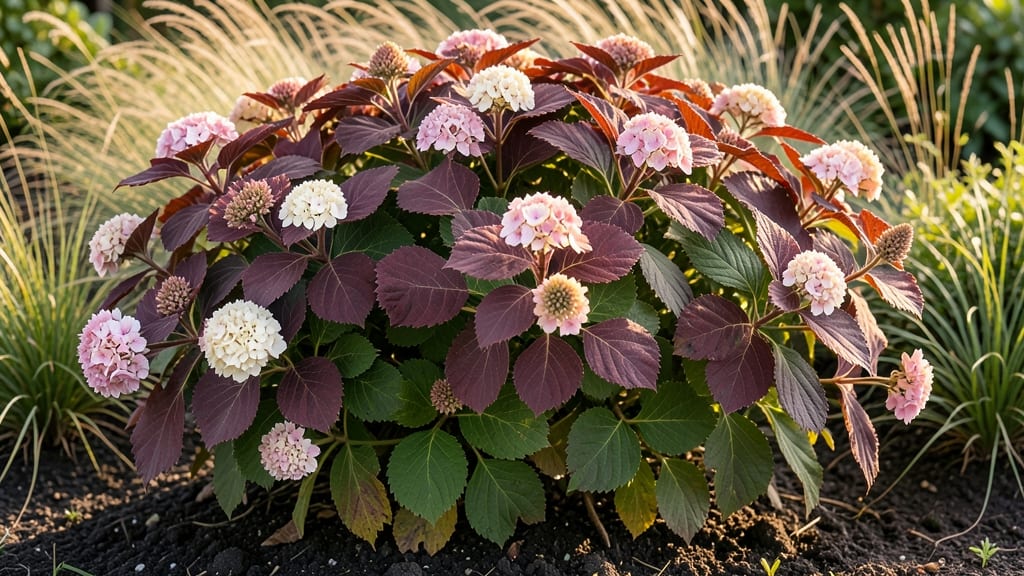
Cultivating Oakleaf Hydrangea 'Semmes Beauty' feels like growing a living work of art—its silvery fern foliage and deep burgundy tones transform any shady corner into a lush focal point. 🌿 I planted mine last spring under a mature maple, and now it’s the star of my woodland garden, thriving where other plants struggle.
The secret lies in mimicking its natural habitat: rich, moist soil and dappled light that keeps its leaves velvety soft year-round.
This hydrangea isn’t fussy, but it does demand a few key things: well-draining soil amended with compost, consistent moisture (especially in the first year), and protection from harsh afternoon sun.
Prune lightly in late winter to shape it and encourage those signature blooms, which appear in late spring—pale pink flowers that fade to a dreamy cream by summer. The foliage alone makes it worth growing, but the seasonal color show is the real magic.
By midsummer, you’ll have a bushy plant with glossy leaves that shimmer in the shade, and by fall, the foliage turns a stunning burgundy. It’s drought-tolerant once established but still needs regular watering to prevent leaf scorch.
The best part? It handles shade better than most hydrangeas, making it perfect for under trees or along north-facing walls.
For beginners, start with a well-prepared planting hole and mulch well to retain moisture. Advanced gardeners can experiment with soil pH to tweak bloom color—though 'Semmes Beauty’ stays reliably pretty no matter what.
Troubleshoot leaf scorch by watering deeper and less frequently, and blooming challenges usually come down to pruning at the wrong time. Patience pays off with a plant that rewards you for years.
📚 In This Guide
- What you need
- Instructions
- Tips and common mistakes
- Wrapping up and next steps
What you need
- ● Oakleaf Hydrangea 'Semmes Beauty' (1-3 mature plants or seeds, depending on desired coverage)
- ● Well-draining potting mix (50% organic matter like compost, 50% perlite or sand for aeration)
- ● Garden soil (amended with 2-3 inches of compost for nutrients)
- ● Shade cloth or dappled sunlight location (partial to full shade, no direct sun)
- ● Gloves & long sleeves (to protect from thorns)
- ● Trowel or spade (for digging holes)
- ● Watering can or hose with gentle spray nozzle (hydrangeas hate soggy roots!)
- ● Mulch (pine bark or shredded leaves) (2-3 inches to retain moisture and suppress weeds)
- ● Slow-release fertilizer (balanced 10-10-10 or acidic fertilizer for hydrangeas)
- ● Pruning shears (for shaping in late winter/early spring)
- ● Pest control (neem oil or insecticidal soap) (aphids love new growth!)
- ● Support stake or trellis (if planting near a fence/wall for vertical growth)
- ● pH test kit (aim for 5.5-6.0 for blue flowers or 6.0-7.0 for pink!)
Step-by-Step guide to planting and caring for oakleaf hydrangea 'Semmes Beauty'
This shade-loving hydrangea brings silvery foliage and stunning blooms—here's how to give it the perfect start.
🌱 Step 1: Choose the Right Location and Prepare the Soil
Find a spot with partial to full shade—this variety thrives where others struggle. I like to plant mine where morning sun fades by late afternoon, protecting the delicate silver foliage from harsh midday rays. The soil should drain well but stay moist, so amend heavy clay with 2-3 inches of compost or aged bark to loosen it.
Dig a hole twice as wide as the root ball but only as deep—planting too deep suffocates the roots. If your soil is sandy, mix in 1 part peat moss to help retain moisture. The key is creating a soft, airy bed that encourages root spread rather than forcing them into compacted earth.
🪴 Step 2: Plant Your Oakleaf Hydrangea with Proper Spacing
Gently remove the plant from its container and loosen any circling roots with your fingers—this prevents girdling as it grows. Place it in the hole so the top of the root ball sits 1 inch above ground level. The 'Semmes Beauty' grows 4-6 feet wide, so space plants 6-8 feet apart to allow airflow and prevent fungal issues.
Backfill with native soil mixed with compost, pressing lightly to eliminate air pockets. Water deeply right after planting to settle the soil and eliminate gaps. I like to create a 2-inch-high berm around the base to catch water during irrigation—this helps roots establish faster in the first critical weeks.
☀️ Step 3: Water and Mulch for Optimal Growth
Water once a week for the first month, keeping the soil evenly moist but not soggy. Oakleaf hydrangeas hate dry spells, so check soil 1 inch below the surface—if it's dry, water again. After establishment, they tolerate brief dry periods but reward consistent moisture with lush foliage and abundant blooms.
Apply 3 inches of mulch (shredded bark or pine needles work well) around the base, keeping it 2 inches away from the stem. This conserves moisture, regulates soil temperature, and prevents weeds from competing. Refresh the mulch annually—it breaks down faster than you'd think, especially in hot summers.
✂️ Step 4: Prune and Maintain for Season-Long Beauty
Prune in late winter or early spring before new growth appears. Remove dead or crossing branches, then cut back last year's blooms to encourage fresh flower clusters. I avoid heavy pruning—this variety's beauty comes from its foliage as much as its blooms, so I only shape lightly to maintain an open center.
Fertilize in early spring with a balanced 10-10-10 formula, applying it 6 inches away from the base. Too much nitrogen makes foliage grow at the expense of flowers, so I use half the recommended dose. Watch for yellowing leaves—this usually means overwatering or poor drainage, not fertilizer burn.
🌿 Step 5: Enjoy Year-Round Interest with Minimal Effort
This hydrangea delivers season-long interest: silvery foliage in spring, cone-shaped blooms in summer, and stunning fall colors that persist into winter. I love how it handles shade—where other plants struggle, 'Semmes Beauty' thrives, making it perfect for under trees or along north-facing walls.
Watch for aphids or spider mites on new growth—spray with water or apply neem oil if you spot them. With proper care, this plant rewards patience with decades of reliable performance, becoming a true focal point in any shady garden corner.
Tips & tricks for perfect oakleaf hydrangea 'Semmes Beauty' planting
Here's what nobody tells you about getting this stunning hydrangea off to the right start—trust me, these small details make all the difference.
Soil Prep Secret: When amending your soil with 2-3 inches of compost or aged bark in Step 1, mix in a handful of hydrangea-specific fertilizer (like one with aluminum for blue blooms) at planting time. This gives your 'Semmes Beauty' an instant nutrient boost without overloading it. I like to sprinkle it around the hole edges before backfilling—this prevents burning the roots while still providing essential nutrients for that first critical growth phase.
Root Ball Rescue: If you notice circling roots when removing your plant from the container in Step 2, don't just cut them—gently tease them apart with your fingers. These roots can strangle the plant as it grows. I've seen too many gardeners skip this step and end up with stunted growth. For extra insurance, make a few small vertical cuts around the root ball with a clean knife to encourage outward root spread.
Watering Wisdom: That first month of weekly watering in Step 3 is crucial, but timing matters just as much as frequency. Water in the early morning so the foliage has all day to dry, preventing fungal diseases. I use a soaker hose for 20 minutes to ensure even moisture without disturbing the soil. The goal is to keep that 1-inch-deep soil consistently moist—think of it like giving your plant a daily drink rather than a weekly bath.
Mulch Maintenance: When you apply that 3 inches of mulch in Step 3, resist the urge to pile it right against the stem. That 2-inch gap isn't just for looks—it prevents rot by keeping the base dry. I refresh my mulch every spring, mixing in some composted leaves to add nutrients as it breaks down. This simple habit keeps your plant looking neat while feeding it over time.
Pro Tips for Oakleaf Hydrangea Semmes Beauty
- Here's what nobody tells you about getting this stunning hydrangea off to the right start—trust me, these small details make all the difference.
- Soil Prep Secret: When amending your soil with 2-3 inches of compost or aged bark in Step 1, mix in a handful of hydrangea-specific fertilizer (like one with aluminum for blue blooms) at planting time.
- Root Ball Rescue: If you notice circling roots when removing your plant from the container in Step 2, don't just cut them—gently tease them apart with your fingers.
Frequently asked questions
How fast does 'Semmes Beauty' grow, and how big will it get?
'Semmes Beauty' grows at a moderate pace, adding about 12–24 inches per year under ideal conditions. Mature plants typically reach 6–8 feet tall and wide, making them perfect for shrub borders or as a focal point in shaded gardens. Prune lightly in late winter to maintain shape and encourage bushier growth.
Can 'Semmes Beauty' thrive in full shade, or does it need some sunlight?
While it tolerates partial shade, 'Semmes Beauty' performs best in dappled or morning sun (3–6 hours of light daily). Full shade may reduce flowering, but its stunning silver foliage will still shine! If planting in deep shade, ensure well-draining, moist soil to prevent stress.
Why are the leaves turning brown or yellow? Is it dying?
Brown/yellow leaves often signal overwatering, underwatering, or aphid stress. Check soil moisture—it should stay consistently damp but not soggy. Inspect undersides of leaves for aphids (tiny green/black bugs); spray with soapy water or neem oil if infested. Adjust care and monitor for improvement within 2–3 weeks.
When and how should I prune 'Semmes Beauty' for best blooms?
Prune right after flowering (late summer) to shape the plant and remove dead wood. Avoid heavy pruning in winter—this hydrangea blooms on old and new wood. For a fuller look, trim back 1/3 of the oldest stems annually. Wear gloves; stems can be prickly!
Are aphids a common problem for 'Semmes Beauty,' and how do I prevent them?
Aphids love oakleaf hydrangeas, especially in warm, humid climates. To deter them:
- Encourage natural predators like ladybugs with companion plants (e.g., marigolds).
- Water leaves in the morning to reduce aphid-friendly humidity.
- Spray with insecticidal soap (1 tbsp mild dish soap + 1 quart water) weekly during outbreaks.
Wrapping up and next steps
The Oakleaf Hydrangea 'Semmes Beauty' is a stunning, low-maintenance star for shady gardens, offering silvery foliage and elegant blooms that bring charm to any space. 🌿 With its adaptability and pest-resistant traits, it’s perfect for both beginners and seasoned gardeners alike.
Ready to transform your garden? Start by selecting the right spot, gathering your supplies, and giving this beauty the care it deserves. Your future shady oasis awaits—plant with confidence and watch it thrive!