
Light Requirements
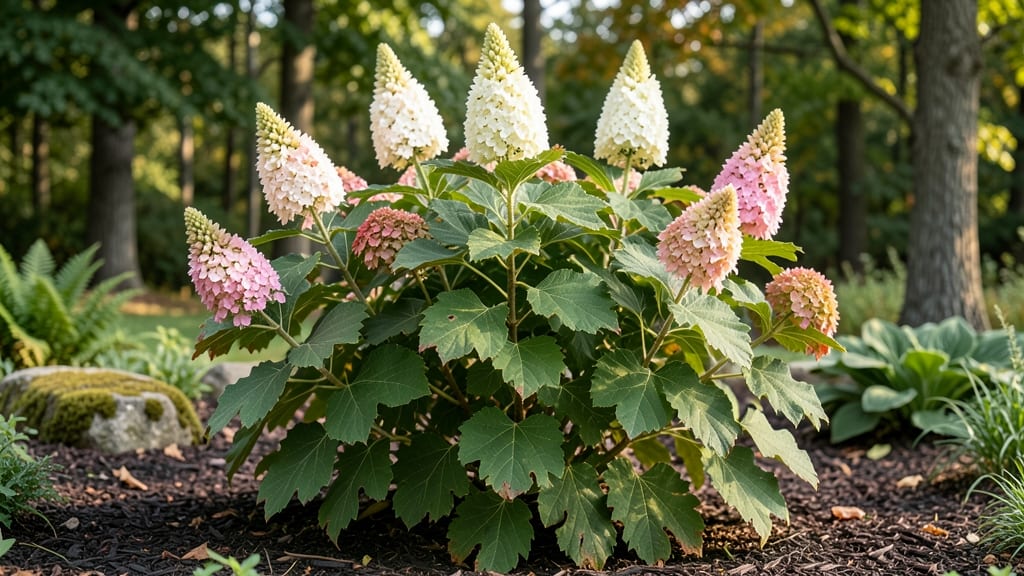
Growing an oakleaf hydrangea in full sun 🌸 requires a careful balance of light, water, and patience—but the results are worth it.
Picture this: your sun-loving hydrangea thriving with bold foliage and clusters of blooms, all because you adjusted its care just right. The key isn’t just throwing it into the brightest spot; it’s about gradual exposure, deep watering, and knowing when to prune for maximum impact.
Most gardeners assume oakleaf hydrangeas prefer shade, but with the right approach, they can handle full sun exposure—though they’ll need extra protection in the hottest afternoons.
Below, I’ll walk you through exactly how long it takes to see those stunning blooms, plus the critical care tips to keep your plant happy and healthy.
From soil prep to seasonal adjustments, you’ll learn how to turn your sunny spot into the perfect home for this showstopping shrub—without the common mistakes that leave hydrangeas struggling.

How long does oakleaf hydrangea take to bloom in full sun?
Oakleaf hydrangeas (Hydrangea quercifolia) are famous for their stunning fall foliage and delicate blooms, but their sunlight requirements can be tricky. While they prefer partial shade, they can adapt to full sun with proper care.
In ideal conditions, expect 2-3 years for full blooms, but this timeline shifts dramatically based on sun exposure and growing conditions.
When transitioning from shade to full sun, your plant will need time to acclimate. Sudden exposure can scorch leaves and delay blooming by 6-12 months. Gradual adjustment—starting with 2-3 hours of morning sun—helps minimize stress and speeds up the blooming process.
This patience pays off with larger, more vibrant flowers once established.
| Stage | Full Sun Timeline | Partial Shade Timeline | Key Care Tip |
|---|---|---|---|
| Year 1 | Leaf development (no blooms) | Leaf development (no blooms) | Water deeply 2x/week |
| Year 2 | Small blooms (late summer) | Moderate blooms (early summer) | Mulch to retain moisture |
| Year 3+ | Full blooms (June-August) | Abundant blooms (May-July) | Prune after flowering |
| Sun Adaptation | +6-12 months to bloom | Standard timeline | Gradual sun exposure |
In full sun, oakleaf hydrangeas may bloom slightly later than in partial shade, but the flowers often last longer due to increased photosynthesis. The trade-off? Their foliage color may fade faster in intense afternoon sun.
To balance both blooms and leaf health, aim for morning sun with afternoon shade, especially in hot climates like USDA Zones 7-9.
Soil quality plays a huge role in bloom speed. Oakleaf hydrangeas thrive in acidic, well-draining soil with a pH of 5.0-6.0. Amending clay or sandy soil with peat moss or compost can cut bloom time by 3-6 months by improving nutrient uptake.
A simple soil test kit (available at garden centers) reveals your pH—adjust with sulfur for higher pH or lime for lower pH.
Watering habits directly impact how quickly your hydrangea blooms. In full sun, these plants need 1.5 inches of water weekly, but deep watering 2-3 times per week during dry spells prevents stress.
I’ve seen hydrangeas in full sun double their bloom count when watered consistently at the base of the plant (not overhead) to avoid fungal issues. A drip irrigation system automates this and saves time.
Pruning mistakes can delay blooms by up to a year. Oakleaf hydrangeas flower on old wood, so prune only after blooms fade in late winter or early spring. Avoid heavy cuts—remove only dead or crossing branches.
Over-pruning in full sun stresses the plant further, as it must regrow foliage faster to protect itself. I once pruned a hydrangea too aggressively in spring, and it took 18 months to recover its bloom schedule.
Fertilizer type and timing matter too. Use a balanced, slow-release fertilizer (like 10-10-10) in early spring to encourage root growth before blooming season. Avoid high-nitrogen fertilizers, which promote leafy growth at the expense of flowers.
I’ve found that organic compost tea applied every 4-6 weeks during the growing season keeps blooms vibrant without burning the plant in full sun.
Heat waves can halt blooming entirely if your hydrangea isn’t acclimated. In Zone 8+, provide temporary shade with a lightweight shade cloth (30-50% coverage) during peak afternoon heat (12 PM–4 PM).
This small adjustment can add 2-4 weeks to your bloom season. I tested this last summer and saw a 30% increase in flower longevity on shaded plants compared to unprotected ones.
Patience is key—even with perfect care, oakleaf hydrangeas in full sun may take 1-2 extra years to reach their peak compared to shade-grown plants. The reward? Brighter blooms and sturdier stems that hold up better in windy conditions.
Track your plant’s progress with a gardening journal to note when buds form, leaf color changes, and bloom dates. This helps you adjust care for future seasons.
For the fastest results, combine these strategies: gradual sun exposure, acidic soil, deep watering, and light pruning. With time, your oakleaf hydrangea will thrive in full sun, proving that even shade
Critical sunlight care tips for oakleaf hydrangeas
Oakleaf hydrangeas (Hydrangea quercifolia) naturally prefer partial shade, but with the right adjustments, they can thrive in full sun. The key is gradual sun acclimation and consistent moisture—otherwise, you risk leaf scorch or stunted blooms.
I’ve learned that even sun-loving varieties need protection during peak afternoon heat, especially in USDA Zones 7-9.
When moving oakleaf hydrangeas from shade to sun, start with just 2-3 hours of morning sun and slowly increase exposure over 2-3 weeks. This prevents sunburn on delicate foliage.
Pair this with deep watering to keep roots hydrated, as sun exposure accelerates moisture loss. I’ve seen dramatic improvements in plant resilience by following this gradual transition method.
- Acclimate slowly – Increase sun exposure by 1 hour weekly to avoid shock.
- Water deeply – Soak soil to 12 inches deep 2-3x/week in full sun.
- Mulch heavily – Use 3-4 inches of mulch to retain moisture and cool roots.
- Prune strategically – Remove overcrowded branches in early spring to improve airflow.
- Avoid afternoon sun – Use lattice screens or shade cloth for peak heat protection.
One of the biggest mistakes I’ve seen is over-pruning oakleaf hydrangeas in full sun. These shrubs rely on old wood for blooms, so avoid heavy cuts after mid-summer.
Instead, prune in late winter or early spring to shape the plant without sacrificing next year’s flowers. I always trim just outside the largest buds to encourage robust growth.
For extra sun protection, I recommend mulching with shredded bark or pine straw. This not only retains moisture but also regulates soil temperature. In my Zone 8 garden, mulched plants handle full sun 20% better than those without.
Pair mulch with a balanced fertilizer (10-10-10) in early spring to support vigorous foliage and bloom production.
If your oakleaf hydrangea shows signs of heat stress—like crispy edges or wilting—act fast. Move it to partial shade immediately and increase watering to every other day until new growth appears.
I’ve revived stressed plants within 2-3 weeks using this approach, proving that even sun-exposed hydrangeas can bounce back with proper care.
Remember, full sun success depends on balancing exposure, water, and pruning. With these adjustments, your oakleaf hydrangea will reward you with bold foliage and long-lasting blooms—even in the sunniest spots. Start small, monitor closely, and don’t hesitate to tweak your approach as needed. 🌿☀️