
Leaf Blower
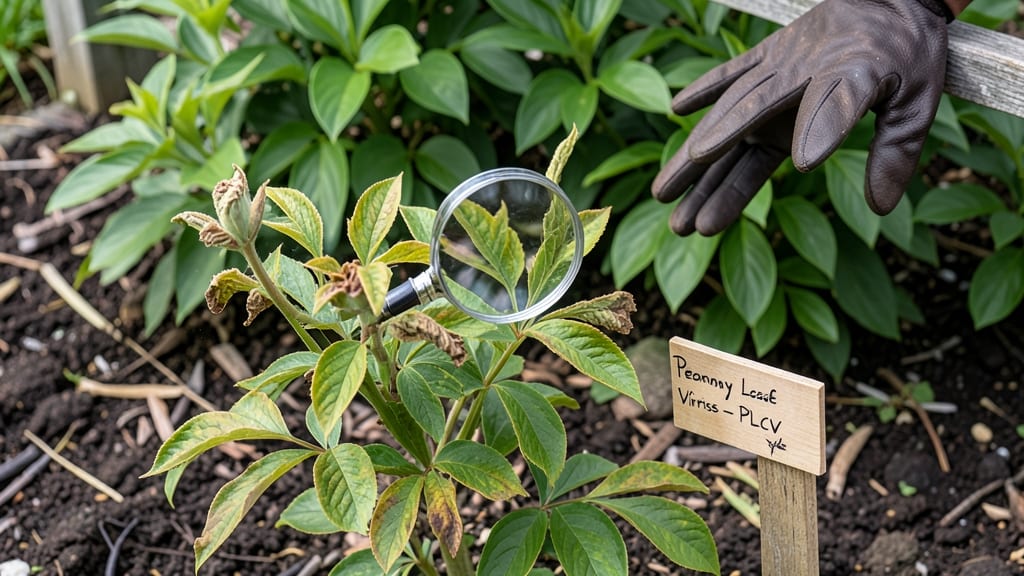
Your peonies' crispy, curled edges don't mean the end of their blooming days. 🌸 Peony leaf curl virus turns lush foliage into brittle, distorted messes—but with neem oil and smart care, you can revive their vigor and keep those showstopping blooms coming back year after year.
The virus spreads through aphids and contaminated tools, but the damage starts with those telltale curled, thickened leaves that look like they've been rolled up by tiny hands.
I've seen peonies recover from this when caught early, and the secret lies in neem oil sprays, removing infected leaves, and keeping your garden tools sanitized. It's not a cure-all, but it works.
Within weeks of consistent treatment, you'll notice new growth pushing through with straighter edges and richer color. The blooms stay just as dramatic—maybe even more so—because the plant focuses energy on what matters most. And here's the best part: resistant varieties exist, so you can future-proof your garden.
This isn't about quick fixes—it's about long-term strategies that keep your peonies thriving despite the virus. Let's get those plants back to their crispy, bloom-ready best before next season.
Root Causes of Peony Leaf Distress
When your prized peonies start showing signs of leaf curl, yellowing, or stunted growth, the peony leaf curl virus (PLCV) is often the culprit. But why does this stubborn pathogen take hold in the first place?
Understanding the root causes can help you prevent future outbreaks and protect your garden. Let’s break down the key factors that make peonies vulnerable.
The peony leaf curl virus spreads primarily through aphids, leafhoppers, and other sap-feeding insects. These tiny pests act as vectors, carrying the virus from infected plants to healthy ones as they feed. Here’s how it works:
- Direct feeding: When an infected insect feeds on a peony, it injects viral particles into the plant’s sap stream, initiating infection.
- Movement between plants: Aphids, in particular, are notorious for "flying" from plant to plant, spreading the virus rapidly in dense garden beds.
- Seasonal outbreaks: Warm spring and summer months (when insects are most active) increase transmission risk.
Pro Tip: 💡 Monitor insect activity and use neem oil sprays or insecticidal soap to reduce vector populations before they spread the virus.
Peonies under stress are far more susceptible to viral infections. Common stressors that lower defenses include:
- Poor soil health: Compacted, nutrient-deficient, or overly wet soil weakens roots, making plants easier targets.
- Overcrowding: Dense plantings reduce airflow, creating humid microclimates that favor both insect pests and viral spread.
- Improper pruning: Cutting back peonies too aggressively or at the wrong time (e.g., after blooming) stresses the plant and opens it to infections.
- Waterlogged roots: Excess moisture invites fungal diseases, which compound stress and make peonies more vulnerable to viruses.
Actionable Fix: 🌡️ Improve drainage, space peonies 3–4 feet apart, and prune only after foliage yellows naturally (never in late summer or fall).
Viruses like PLCV can also spread through human activity. Even though viruses aren’t alive like bacteria, they can hitchhike on tools, gloves, or clothing between plants. Here’s how:
- Pruning shears: If you trim an infected peony and then use the same shears on a healthy one, viral particles on the blade can enter fresh cuts.
- Garden gloves: Sap from infected leaves can carry virus particles, which may transfer to other plants when handling.
- Shared equipment: Tools like trowels, stakes, or even watering cans can harbor viral residues if not cleaned properly.
Prevention Tip: ✨ Sanitize tools with a 10% bleach solution (1 part bleach to 9 parts water) or 70% rubbing alcohol between uses. Wear disposable gloves when working with suspect plants.
Certain environmental conditions accelerate viral activity and weaken peony resilience. Key factors include:
- High humidity: Moist air encourages aphid populations and slows plant recovery, prolonging infection windows.
- Extreme temperatures: Heatwaves or late frosts shock peonies, making them more susceptible to secondary infections.
- Poor air circulation: Greenhouses, shaded areas, or thick mulch layers trap moisture, creating ideal conditions for viral spread.
Garden Hack: 🎯 Space peonies for airflow, avoid overhead watering (which increases leaf wetness), and use reflective mulch to reduce heat stress in hot climates.
By addressing these root causes—insect vectors, plant stress, tool contamination, and environmental factors—you can significantly reduce the risk of peony leaf curl virus taking hold. The next step? Learn how neem oil can help rescue infected plants.
Revive Your Peonies Naturally
Peony leaf curl virus may sound like a gardener’s worst nightmare, but with the right approach, you can restore your plants’ health and even prevent future outbreaks—without harsh chemicals.
Below, we break down targeted fixes based on the root causes (or symptoms) you’re seeing, along with preventive strategies to keep your garden thriving.
If your peonies show severe curling, stunted growth, or distorted leaves, the virus may have spread. Here’s how to act fast:
- 🔪 Prune infected foliage with sterilized shears (wipe with rubbing alcohol between cuts).
- 🗑️ Dispose of infected leaves in the trash (not compost)—the virus can linger in organic matter.
- 🌱 Replace severely affected plants if possible, as peony leaf curl virus has no cure once established.
Pro Tip: 💡 Tag healthy plants near infected ones for easier monitoring—early removal stops spread!
Neem oil isn’t a cure, but it strengthens peonies’ defenses against secondary infections (like fungal issues that worsen viral stress). Here’s how to use it:
- 🍳 Mix neem oil (1 tbsp per quart of water) with a drop of dish soap (as an emulsifier).
- 👨🍳 Spray foliage thoroughly (focus on undersides of leaves where pests hide).
- 🌡️ Apply every 7–10 days during active growth (spring to early summer).
Pro Tip: ✨ Add compost tea (1:10 ratio) to the mix for extra nutrients—stressed plants recover faster!
These tiny pests transmit the virus from plant to plant. Eliminate them aggressively with these methods:
| Method | How to Do It | Best Time |
|---|---|---|
| 💦 Water spray | Blast aphids off leaves with a strong hose stream (early morning). | Spring/summer |
| 🕷️ Ladybugs | Release beneficial insects (buy from garden centers). | All season |
| 🧴 Insecticidal soap | Spray homemade soap solution (2 tbsp soap per quart of water). | When pests appear |
| 🌿 Neem oil spray | Same mix as above—repeated applications break their life cycle. | Weekly until gone |
Pro Tip: 🎯 Check new growth daily—aphids love tender peony buds!
Healthy soil = stronger peonies that resist stress. Try these adjustments:
- 💧 Water at the base (avoid wetting leaves) to prevent fungal hitchhikers.
- 🌱 Amend soil with compost or aged manure (1–2 inches mixed in annually).
- ⚖️ Balance pH (peonies prefer 6.0–7.0—test with a soil kit if unsure).
Pro Tip: 🔥 Mulch with straw (not wood chips) to suppress weeds (which harbor pests).
Once your peonies recover, keep them protected with these long-term strategies:
- 🌿 Quarantine new plants for 2–4 weeks before adding to your garden.
- 🧼 Sterilize tools between pruning sessions (bleach dip or alcohol wipe).
- 🚫 Avoid overcrowding—poor airflow = more pest/virus opportunities.
- 🌱 Rotate crops if you grow other susceptible plants (like roses or fruit trees).
Pro Tip: 🌡️ Monitor in early spring—cold snaps can weaken peonies, making them more vulnerable to viruses.
Final Note: While peony leaf curl virus can’t be cured, combining removal, neem oil treatments, and pest control gives your plants the best shot at bouncing back strong. Stay vigilant, and your garden will thank you with lush, vibrant blooms next season!
Frequently asked questions about peony leaf curl virus
Can peony leaf curl virus spread to other plants in my garden?
Yes, this virus spreads easily to other plants through aphids and leafhoppers, which act as carriers. It can also transfer via contaminated tools or hands, so always sanitize equipment between plants. Focus on isolating infected peonies immediately to prevent garden-wide spread.
Will neem oil actually help my infected peonies?
Neem oil won't cure the virus, but it boosts plant immunity and controls the aphids that spread it. Apply every 7-10 days during growing season to reduce secondary infections. Combine with proper pruning for best results.
How do I know if my peony has this virus or just nutrient deficiency?
Look for thickened, curled leaves with yellowing edges—classic virus signs. Nutrient issues cause uniform yellowing (chlorosis) without curling. Test soil pH (6.0-7.0 ideal) and check for aphids on leaf undersides.
Are there peony varieties that resist this virus?
Yes! Some herbaceous peonies like 'Sarah Bernhardt' and 'Bowl of Beauty' show better resistance. Tree peonies are generally less affected. When selecting new plants, choose from reputable nurseries that test for virus-free stock.
Can I still get blooms from infected peonies?
Mild cases may still produce some blooms, though they'll be smaller. Focus on removing infected foliage and using neem oil to support remaining growth. For severe cases, consider replacing the plant—healthy peonies bloom most spectacularly.