
Pests and Diseases
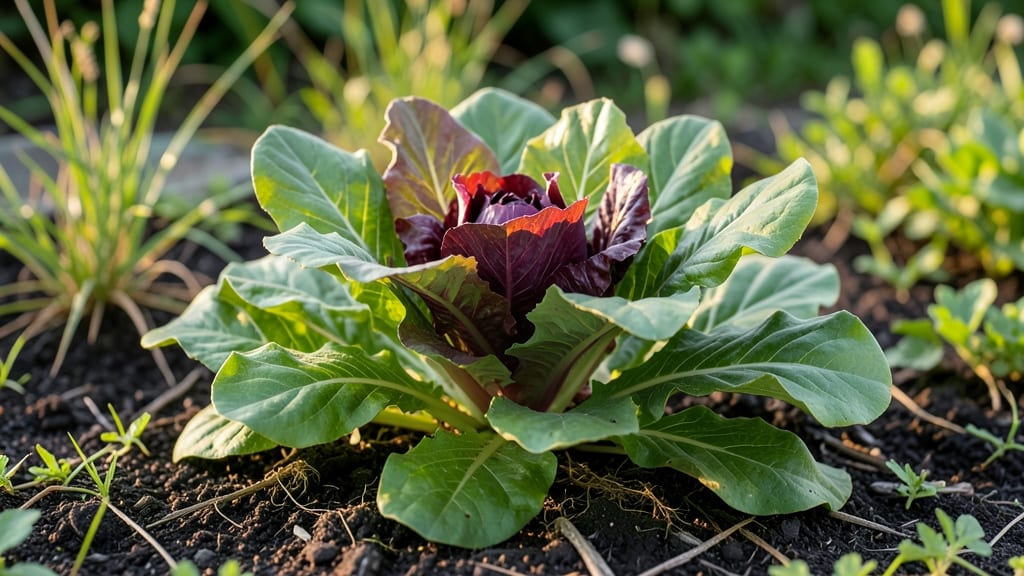
Pointy leaf lettuce grows from seed to salad bowl in just 30 days—no waiting months like with some varieties. 🌱 I’ve grown everything from buttercrunch to romaine, but these crisp, upright leaves are my go-to for quick harvests, especially when I need fresh greens between plantings.
The secret to their speed? Cool soil and consistent moisture—never let the soil dry out, but don’t drown them either. Plant in well-draining soil with a little compost mixed in, and space seeds just ½ inch apart.
They thrive in partial shade, which makes them perfect for late summer or early fall when full sun would bolt them.
By the time you’re ready to harvest, you’ll have tender, crunchy leaves perfect for salads or sandwiches. Cut outer leaves first to encourage regrowth, and you’ll get multiple harvests from one planting. The flavor? Sweet, slightly peppery, and a whole lot fresher than store-bought.
Works best in spring and fall, but in cooler climates, you can even grow them year-round under row covers. Just avoid planting when days get too hot—these lettuces bolt faster than you’d think!
📚 In This Guide
- What you need
- Instructions
- Tips and common mistakes
- Wrapping up and next steps
What you need
- ● Seeds: High-quality pointy leaf lettuce seeds (e.g., Little Gem, Black Seeded Simpson, or Arctic King—choose disease-resistant varieties if pests are common in your area). Quantity: 1–2 packets (enough for 20–50 plants).
- ● Containers or Garden Bed: For containers: 6–12-inch deep pots (1 plant per pot) or a raised bed (spaced 8–12 inches apart). Material: Plastic, fabric, or wood (ensure drainage holes are present).
- ● For in-ground planting: Well-draining soil with partial shade (especially in hot climates).
- ● Potting Mix: Lightweight, seed-starting mix or a blend of 60% peat moss, 30% perlite, and 10% compost. Avoid garden soil—it’s too dense for seedlings.
- ● Watering Can or Hose: With a gentle spray nozzle to avoid dislodging seeds.
- ● Fertilizer: Seedlings: Balanced liquid fertilizer (e.g., 10-10-10) diluted to half-strength.
- ● Mature Plants: Low-nitrogen fertilizer (e.g., 5-10-10) or compost tea for a gentle boost.
- ○ Row Covers or Shade Cloth: (Optional but helpful) 30–50% shade cloth to protect seedlings from intense sun or pests like aphids.
- ● Neem Oil or Insecticidal Soap: For aphids, slugs, or fungal issues. Dilute as directed on the label.
- ● Diatomaceous Earth: Food-grade powder to deter slugs and snails. Reapply after rain.
- ● Copper Tape: Wrap around beds to block cutworms (a common lettuce pest!).
- ● Grow lights (if starting indoors before last frost).
- ● Plant markers (to track varieties).
- ● Organic mulch (straw or grass clippings) to retain moisture and suppress weeds.
Step-by-Step guide to growing crisp pointy leaf lettuce
Here's how to grow the fastest, most flavorful pointy leaf lettuce in just 30 days—no fancy equipment needed!
🌱 Step 1: Choose the Right Variety and Prep Your Soil
Pick a fast-maturing variety like 'Black Seeded Simpson' or 'Salad Bowl'—these bolt-resistant types stay crisp even when it warms up. I always start with fresh loose, well-draining potting mix (never garden soil) in a shallow tray or containers at least 6 inches deep. The secret here is sterile soil—it prevents damping-off disease that wipes out seedlings overnight.
Moisten the mix until it's damp like a wrung-out sponge, but not dripping. Press it down gently with your fingers so the surface is firm. You want roots to anchor easily, but you don't want to compact the soil so tightly that water can't penetrate. This is where most beginners go wrong—they either pack it too hard or leave it too loose.
💧 Step 2: Sow Seeds at the Perfect Depth and Spacing
Scatter seeds ¼ inch deep and 1 inch apart—they're tiny, so I use a toothpick to create tiny holes and drop one seed per spot. Cover them with a light dusting of soil, just enough to hide them completely. Water gently with a spray bottle until the surface looks evenly moist, but don't soak it.
Here's the thing—lettuce seeds need darkness to germinate. If you bury them too deep, they'll never make it to the surface. I like to place a clear plastic lid on the tray to keep humidity high and block light until sprouts appear. You'll see the first tiny green shoots in 5-7 days at 60-65°F.
☀️ Step 3: Provide Light and Thin Seedlings for Maximum Growth
As soon as those first leaves appear, remove the cover and move your tray to a spot with 4-6 hours of bright light daily. A south-facing window works, but if your light is weak, supplement with a simple LED grow light kept 6 inches above the seedlings. You'll know your light is right when leaves stay dark green and compact—not pale and stretching.
When seedlings have 2-3 true leaves (not the first tiny baby leaves), thin them to 3 inches apart. Use small scissors to snip the thinnest ones at soil level—don't pull, or you'll disturb the roots of the ones you're keeping. This might seem wasteful, but crowded lettuce grows leggy and bitter.
🪴 Step 4: Keep Soil Moist and Harvest for Continuous Yields
Water when the top inch of soil feels dry, but never let the soil dry out completely. Lettuce loves consistent moisture, but soggy soil leads to rot. I water from the bottom by placing the tray in ½ inch of water for 10 minutes—this keeps roots happy without wetting the leaves, which prevents fungal diseases.
Here's where it gets fun: you can start harvesting outer leaves when they reach 3-4 inches tall. Just snip with clean scissors, leaving the center growth point intact. This "cut-and-come-again" method gives you continuous harvests for weeks—perfect for salads! If you wait until the whole head is mature, you'll get one big harvest, but the flavor won't be as crisp.
⏰ Step 5: Protect from Heat and Bolting for Longer Harvests
When temperatures rise above 75°F, lettuce bolts (sends up a flower stalk) fast. To delay this, I shade my plants with 30% shade cloth during peak afternoon sun. You'll know it's working when the leaves stay tender and keep growing outward instead of shooting upward.
For even faster results, succession plant every 2 weeks. That means starting a new batch while you're still harvesting from the first. This ensures you always have fresh, crisp lettuce—no gaps, no wasted effort. And if you live in a warm climate, grow lettuce in partial shade or even indoors near a bright window.
Tips & tricks for growing crisp pointy leaf lettuce
Real talk: These little tricks will help you grow lettuce so crisp and flavorful, you'll wonder why you ever bought it from the store.
Seed Starting Secret: Confession: I skipped sterilizing my soil for years and wondered why my seedlings kept dying. That sterile potting mix in Step 1 isn't optional—it prevents damping-off disease that wipes out seedlings overnight. If you're using garden soil, mix it with perlite (1:1 ratio) to improve drainage and reduce disease risk. The extra 5 minutes sterilizing pays off with stronger plants.
Lighting Hack: That 4-6 hours of bright light in Step 3 is non-negotiable for crisp lettuce. If your windows are weak, grab a $20 LED grow light—it's a game-changer. Position it 6 inches above seedlings and keep it on for 12-14 hours daily. You'll notice the difference in just 3 days: leaves stay dark green and compact instead of stretching pale and leggy.
Harvesting Timing: The key to continuous harvests is patience. Don't wait until leaves reach 3-4 inches tall to start cutting—begin when outer leaves are 2 inches tall (they'll regrow!). Use clean scissors and cut at a 45-degree angle just above the next set of leaves. This encourages bushier growth and keeps your plants producing for weeks. I've had single plants give me salads for 6+ weeks using this method.
Heat Defense Strategy: When temps hit 75°F, lettuce bolts faster than you can say "bitter greens." My secret weapon? A 30% shade cloth draped over plants during peak afternoon sun (12-4 PM). You can also move trays to shadier spots or even indoors near a bright window. The goal is to keep leaves growing outward, not shooting up toward the sky.
Pro Tips for Pointy Leaf Lettuce
- Real talk: These little tricks will help you grow lettuce so crisp and flavorful, you'll wonder why you ever bought it from the store.
- Seed Starting Secret: Confession: I skipped sterilizing my soil for years and wondered why my seedlings kept dying.
- Lighting Hack: That 4-6 hours of bright light in Step 3 is non-negotiable for crisp lettuce.
Frequently asked questions
How do I prevent pests like aphids or slugs from damaging my pointy leaf lettuce?
Use neem oil or insecticidal soap for aphids—spray early in the morning to avoid harming bees. For slugs, set out beer traps or use organic slug bait like iron phosphate. Pro tip: Mulch with straw to deter pests and retain moisture!
Why is my pointy leaf lettuce turning bitter or bolting prematurely?
Bitter taste or bolting (flowering) happens when lettuce gets too hot or stressed. Plant in partial shade during peak summer months and keep soil consistently moist. For cooler climates, use shade cloth to extend the harvest window.
Can I harvest pointy leaf lettuce like romaine or do I need to cut the whole head?
Unlike romaine, pointy leaf lettuce thrives on cut-and-come-again harvesting! Snip outer leaves as needed, leaving the inner core intact. This encourages regrowth and maximizes yield. Pro tip: Use clean scissors to avoid disease.
What’s the best companion plant to grow alongside pointy leaf lettuce?
Pair it with carrots, radishes, or strawberries—they deter pests and share similar growing conditions. Avoid planting near celery or parsley, as they compete for nutrients.
What can I do if my lettuce develops yellow leaves or holes?
Yellow leaves often mean overwatering or nutrient deficiency (try a balanced fertilizer). Holes? Check for slugs, caterpillars, or flea beetles. Remove affected leaves and treat with organic sprays. Pro tip: Rotate crops yearly to prevent soil-borne issues.
Wrapping up and next steps
Pointy leaf lettuce is a fantastic choice for gardeners looking for fast, crisp harvests with minimal fuss! Whether you're battling pests, diseases, or just eager to grow a thriving crop, these varieties deliver big flavor and texture in record time.
With the right care—like proper spacing, consistent watering, and proactive pest control—you’ll enjoy a bounty of fresh, vibrant greens in no time.
Ready to dive in? Start small—plant a few seeds this week—and watch your garden transform! 🌱💚 Grab your supplies and get growing today.