
Planting
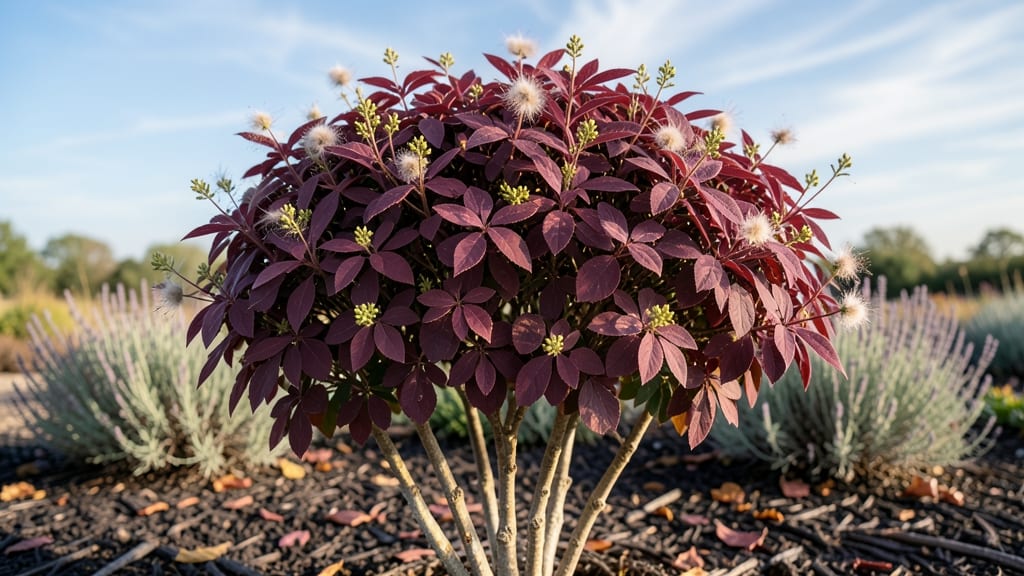
Purple-leafed plants steal the show in any garden, turning ordinary spaces into striking visual masterpieces that demand attention. 🌿 I remember the first time I planted a purple smoke bush—my whole yard transformed from ordinary to extraordinary overnight.
That deep, velvety purple isn’t just pretty; it’s a conversation starter that works year-round, even when flowers fade. These plants shine in borders, containers, or as bold focal points.
Pair a purple-leaf plum with white hydrangeas for a dramatic contrast, or tuck purple-leaf grasses along pathways for texture and movement. The secret? Their rich hues make other colors pop—think silver foliage, creamy blooms, or even deep reds that make the purple stand out even more.
You’ll love how easy they are to work with once you know the basics. Most thrive in full sun to partial shade and handle average soil, though some (like purple-leaf sand cherry) appreciate well-draining beds.
The key is placement: position them where their foliage gets maximum visibility, like near patios or entryways. For a foolproof look, start with three varieties: a shrub (purple smoke bush), a tree (purple-leaf plum), and a grass (like 'Karl Foerster' feather reed grass).
Mix heights and textures, and you’ll create a purple-dominated garden that feels lush, layered, and impossibly chic.
📚 In This Guide
- What you need
- Instructions
- Tips and common mistakes
- Wrapping up and next steps
What you need
- ● Purple-leafed plant: Choose from varieties like Purple Smoke Bush (Cotinus coggygria), Purple Leaf Plum (Prunus cerasifera 'Atropurpurea'), or Heuchera (Coral Bells). Buy 1-3 plants depending on desired coverage.
- ● Well-draining potting mix: 5-10 gallons (for containers) or amend garden soil with compost (2-3 cups per square foot) for in-ground planting.
- ● Organic fertilizer: Balanced 10-10-10 or slow-release granules (1 cup per plant) to support vibrant foliage.
- ● Mulch: 2-3 inches of shredded bark or straw to retain moisture and regulate soil temperature.
- ● Garden gloves (1 pair) – Protect your hands from thorns or rough bark.
- ● Trowel or shovel – For planting or transplanting.
- ● Watering can or hose with a gentle spray nozzle – Purple-leafed plants prefer consistent moisture but hate soggy roots.
- ○ Pruners (sterilized) – For shaping or removing dead growth. Optional: Hand pruners for delicate trimming.
- ● Container (if potted): 12-18 inches in diameter with drainage holes for small plants; larger pots for mature specimens.
- ● Epsom salt (1 tbsp per gallon of water) – Boosts magnesium for deeper purple hues.
- ● Plant supports or stakes – For taller varieties like Purple Leaf Plum.
- ● Slow-release fertilizer spikes – For hassle-free nutrition.
- ● Decorative rocks or pebbles – Enhances drainage and aesthetics in containers.
How to select and care for stunning purple-leafed plants
Here’s how to choose and maintain these showstopping plants for year-round color.
🌿 Step 1: Choose the Right Purple-Leafed Varieties
Purple-leafed plants thrive in full sun to partial shade, but not all tolerate the same conditions. For bold color, opt for coleus (great for containers), purple leaf plum (ornamental tree), or heuchera (hardy perennial). I always pick based on my climate—purple leaf sandcherry handles cold better than purple leaf boxwood, which prefers milder zones.
Look for healthy plants with vibrant, even purple leaves—avoid those with yellowing or brown edges, which signal stress. Smell the foliage too; healthy purple plants often have a subtle, fresh fragrance. If buying from a nursery, check the tag for light requirements and mature size to ensure it fits your space.
☀️ Step 2: Position for Optimal Sunlight and Color Intensity
Most purple-leafed plants need at least 4-6 hours of direct sun daily to maintain their rich color. Place them where they’ll get morning sun and afternoon shade if your summers are scorching. I’ve found that purple leaf plum trees hold their color best in full sun, while coleus can tolerate more shade but may fade to green.
Rotate containers every few weeks so plants grow evenly—uneven sunlight causes one side to bleach out. Watch for leaves that lose their vibrancy; this is your cue to move them to a sunnier spot. If indoors, place near a south-facing window or under grow lights for 12-14 hours daily.
💧 Step 3: Water Consistently Without Overdoing It
Purple-leafed plants hate soggy roots, but they also dislike drying out completely. Water when the top inch of soil feels dry—stick your finger in to check. Overwatering causes yellowing, while underwatering makes leaves crispy. I water deeply 2-3 times a week in summer, reducing to once a week in winter when growth slows.
Containers dry out faster, so check them daily in hot weather. If the soil pulls away from the pot edges, it’s time to water. Mulch around the base with 2-3 inches of organic mulch to retain moisture and protect roots. Avoid wetting the leaves—this can cause fungal issues, especially in humid climates.
✂️ Step 4: Prune for Shape and Encourage New Growth
Prune in early spring to shape plants and remove dead or leggy growth. Use clean, sharp shears to cut just above a leaf node—this encourages bushier growth. For coleus, pinch back the tips to promote fuller foliage. I prune purple leaf plum trees lightly in late winter to maintain their natural shape.
Deadhead spent flowers regularly to redirect energy into leaf production. If a plant looks tired by mid-summer, give it a light trim to refresh it. Avoid heavy pruning in fall—this stresses plants before winter. Always sterilize your tools with rubbing alcohol between cuts to prevent disease spread.
🌱 Step 5: Fertilize for Vibrant Foliage
Feed purple-leafed plants with a balanced, slow-release fertilizer (10-10-10) in spring and again in midsummer. I use about ½ teaspoon per gallon of soil for container plants. Too much fertilizer burns roots, so follow package instructions closely. For heuchera, a low-phosphorus formula prevents excessive flowering at the expense of leaf color.
Organic options like fish emulsion or compost tea work well too. Avoid high-nitrogen fertilizers—they boost green growth and dull the purple hues. Water plants thoroughly after fertilizing to help nutrients absorb evenly. If leaves start yellowing, flush the soil with water to prevent salt buildup from fertilizers.
Tips & tricks for perfect purple-leafed plant care
These simple strategies will help you keep your purple-leafed plants looking vibrant and healthy all year long.
Light Exposure Secrets: The 4-6 hours of direct sunlight mentioned in Step 2 is crucial for maintaining that stunning purple color. If you notice your coleus or heuchera fading to green, it's a clear sign they need more light. For indoor plants, supplement with a grow light for those 12-14 hours daily—just place it 6-12 inches above the plant. I've found that rotating containers weekly ensures even color development all around the plant, preventing one-sided bleaching.
Soil Smartness: Purple-leafed plants prefer well-draining soil that prevents soggy roots. If you're using containers, make sure they have drainage holes—this is non-negotiable. I always mix in some perlite or sand to improve drainage, especially for varieties like purple leaf sandcherry that hate wet feet. The 2-3 inches of organic mulch mentioned in Step 3 isn't just for moisture retention—it also helps regulate soil temperature, which is particularly important in hot climates.
Pruning Precision: When you're doing that early spring pruning in Step 4, remember that clean cuts just above a leaf node are key for encouraging bushier growth. For coleus, I like to pinch back the tips regularly throughout the growing season—this keeps them compact and prevents them from becoming leggy. And here's what nobody tells you: sterilizing your pruning shears between cuts with rubbing alcohol isn't just about disease prevention—it also helps your cuts heal faster, keeping your plants looking their best.
Fertilizer Finesse: That ½ teaspoon of balanced fertilizer per gallon of soil in Step 5 is a great starting point, but timing matters just as much as quantity. I've learned the hard way that fertilizing in late summer can encourage new growth that won't harden off before winter. Stick to spring and midsummer applications, and always water thoroughly after fertilizing to help prevent salt buildup. For container plants, I like to use slow-release granules that feed all season without the risk of over-fertilizing.
Pro Tips for Purple Leafed Plant
- These simple strategies will help you keep your purple-leafed plants looking vibrant and healthy all year long.
- Light Exposure Secrets: The 4-6 hours of direct sunlight mentioned in Step 2 is crucial for maintaining that stunning purple color.
- Soil Smartness: Purple-leafed plants prefer well-draining soil that prevents soggy roots.
Frequently asked questions
Got questions about purple-leafed plants? You’re not alone—these stunning beauties spark curiosity! Here are some of the most common queries, answered in a snap to help you grow with confidence.
Why do some purple-leafed plants lose their color in summer?
Purple foliage often fades in intense sunlight or heat because the anthocyanins (pigments responsible for the color) break down under stress. Choose shade-tolerant varieties like Heuchera or Coleus, or provide afternoon shade for sun-loving plants like Purple Smoke Bush. Mulching also helps retain moisture and cool roots.
How long does it take for purple-leafed plants to mature and show their best color?
Most purple-leafed plants take 4–8 weeks to establish and reveal their full vibrancy, depending on the species. Fast growers like Sweet Potato Vine may show color in 2–3 weeks, while perennials like Purple Leaf Plum can take 1–2 years to reach peak drama. Patience pays off—cool weather often intensifies their hues!
Can I grow purple-leafed plants in containers? If so, what’s the best setup?
Containers work great for compact varieties like Purple Basil, Dwarf Purple Leaf Plum, or Coleus. Use well-draining soil with added compost, and ensure pots have drainage holes. For larger plants (e.g., Purple Smoke Bush), opt for 15+ gallon containers to accommodate root growth. Rotate pots occasionally for even sunlight exposure.
Do purple-leafed plants need special watering or fertilizer?
Most thrive on consistent moisture but hate soggy roots—water deeply when the top inch of soil feels dry. For fertilizer, a balanced 10-10-10 or low-nitrogen option (like 5-10-10) prevents leaf burn and supports vibrant color. Over-fertilizing can actually dull purple tones, so less is more during active growth phases.
My purple-leafed plant’s edges are turning brown—what’s wrong?
Brown edges usually signal underwatering, overwatering, or salt buildup from tap water. Check soil moisture and adjust your watering routine. If using tap water, let it sit out overnight to reduce chlorine. For container plants, flush the soil occasionally with distilled or rainwater. Heuchera and Purple Leaf Sandcherry are particularly sensitive—keep them evenly moist but not waterlogged!
Wrapping up and next steps
Purple-leafed plants bring a stunning pop of color to any garden, elevating spaces with their bold, year-round drama. Whether you’re drawn to the deep hues of Purple Smoke Bush or the delicate charm of Heuchera, these plants prove that foliage can be just as captivating as flowers.
With the right care—sunlight, soil, and a touch of patience—you’ll enjoy a garden that thrives with vibrancy all seasons long!
Ready to transform your outdoor (or indoor!) space? Start small: pick one purple-leafed plant to experiment with, then expand your collection as you gain confidence. Happy planting—your garden’s next masterpiece is just a seedling away! 🌿✨