
Pruning
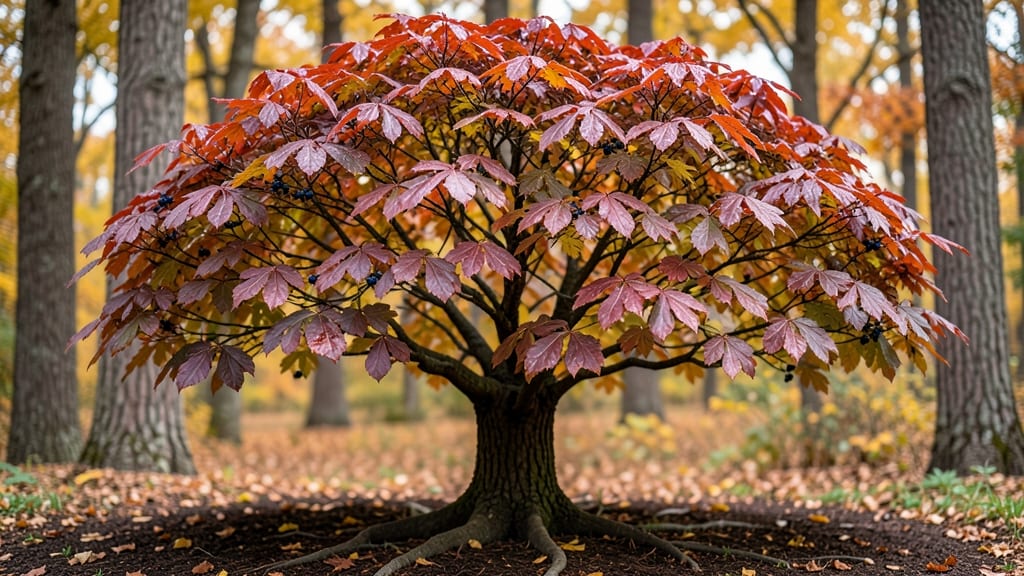
That deep burgundy foliage transforms your yard into a living painting. 🌿 The red oval leaf tree—whether it's Cercis canadensis 'Forest Pansy' or Acer palmatum 'Bloodgood'—stays stunning through all four seasons, with fewer pests than most shade trees.
I've grown both for years, and they've never failed to turn heads, even in winter when most plants are bare. The secret to their drama lies in the right spot: full sun for maximum color intensity, well-draining soil that prevents root rot, and consistent moisture during their first two years.
These trees handle cold down to zone 4, making them perfect for northern gardens or high-altitude landscapes where tender plants struggle. With proper pruning—just 2-3 cuts per season to shape and remove dead wood—you'll maintain that lush, rounded form and encourage vibrant new growth.
The leaves stay rich through summer heat and turn even more dramatic in fall, often lasting well into winter. They're low-maintenance but not completely carefree: watch for powdery mildew on young leaves and aphids on new shoots.
A quick spray of neem oil keeps them at bay, and once established, these trees practically take care of themselves while adding year-round interest to any landscape.
📚 In This Guide
- What you need
- Instructions
- Tips and common mistakes
- Wrapping up and next steps
What you need
- ● Pruning shears: Bypass pruners (sharp, 6-8 inch blades) for small branches.
- ● Loppers: 1 pair (for branches ½–2 inches thick).
- ● Pruning saw: 1 (for thick branches 2+ inches in diameter).
- ● Disinfectant: 70% isopropyl alcohol or a 1:10 bleach-water mix (for sterilizing tools).
- ● Gloves: Heavy-duty gardening gloves (to protect from thorns or rough bark).
- ○ Pruning sealant: Optional but helpful (e.g., tree wound dressing for large cuts).
- ● Bucket or bag: 1 (for collecting debris).
- ● Ladder or step stool: If your tree exceeds 6 feet in height.
- ● Hand saw: For precision cuts on stubborn branches.
- ● Extension pole pruners: For high branches (if no ladder is available).
- ● Marking spray: To tag branches for removal (e.g., branches crossing or rubbing).
- ● Sharpener: A file or pruning tool sharpener (to keep blades in top condition).
Step-by-step instructions for planting and caring for a red oval leaf tree
Here's how to establish your cold-hardy tree for vibrant foliage that thrives year after year.
🪴 Step 1: Choose and Prepare the Planting Site
Select a location with full sun to partial shade—at least 4-6 hours of direct sunlight daily. Red oval leaf trees tolerate a range of soil types but prefer well-draining soil with a slightly acidic to neutral pH. If your soil is heavy clay, amend it with 2-3 inches of compost mixed into the top 12 inches of soil.
Dig a hole twice as wide as the tree's root ball but no deeper. This encourages roots to spread horizontally rather than settling into a confined space. Loosen the sides of the hole with a shovel to help roots penetrate the surrounding soil more easily. I like to water the hole thoroughly a day before planting to settle the soil and prevent air pockets.
☀️ Step 2: Plant at the Right Depth and Stake for Support
Place the tree in the hole so the top of the root ball sits 1-2 inches above ground level. This prevents soil from settling later and potentially burying the trunk, which can cause rot. Backfill with the native soil, tamping gently every 6 inches to remove air pockets without compacting the roots.
Install a 4-6 foot stake if your tree is young or in a windy location. Position it 3-4 inches away from the trunk and tie the tree to it with a soft, stretchy material like tree tie fabric. Avoid wire or anything that can cut into the bark as the tree grows. Water the newly planted tree deeply to help settle the soil around the roots.
💧 Step 3: Water Deeply and Mulch for Moisture Retention
Water the tree immediately after planting with 10-15 gallons of water, enough to soak the root ball and surrounding soil. This helps eliminate air pockets and encourages root growth. Over the next few weeks, water 1-2 times per week, providing 1-2 gallons per watering depending on your climate. You'll know it's time to water again when the top 2-3 inches of soil feel dry.
Apply a 3-inch layer of mulch around the base of the tree, keeping it 6 inches away from the trunk to prevent rot. Use organic mulch like wood chips or shredded bark, which will break down over time and improve soil quality. Mulch helps retain moisture, regulate soil temperature, and suppress weeds—just remember to refresh it annually as it decomposes.
✂️ Step 4: Prune for Shape and Health in Early Spring
Wait until early spring, just as new growth begins, to prune your red oval leaf tree. Remove any dead, damaged, or crossing branches first, cutting back to the nearest healthy bud or branch collar. This keeps the tree open and airy, reducing the risk of disease. I also like to shape the tree lightly at this time, focusing on maintaining its natural form while encouraging a balanced canopy.
Use clean, sharp pruning shears to make cuts at a 45-degree angle, just outside the branch collar. Avoid leaving stubs, as they can invite pests and disease. After pruning, give the tree a light watering to help it recover. Pruning in early spring also encourages vigorous new growth for the season, setting your tree up for strong, healthy development.
🌿 Step 5: Monitor and Maintain Through the Seasons
Throughout the growing season, keep an eye out for signs of stress like yellowing leaves, wilting, or pest activity. Red oval leaf trees are generally low-maintenance, but they do appreciate regular checks. If you notice pests like aphids or spider mites, treat them with a strong spray of water or an organic insecticidal soap—these trees are tough and usually bounce back quickly.
In late fall, apply a 2-3 inch layer of mulch around the base of the tree to insulate the roots during winter. While these trees are cold-hardy, extra protection helps them thrive in harsh winters. Avoid fertilizing in the fall, as new growth stimulated by nutrients can be more vulnerable to cold damage. Instead, focus on keeping the soil moist and the tree healthy as it enters dormancy.
Tips & tricks for perfect red oval leaf tree planting
Took me a while to figure these out, so here's what I've learned about getting your cold-hardy tree off to the best start.
Soil Preparation: The 2-3 inches of compost mixed into the top 12 inches of soil makes all the difference. I've seen trees struggle in heavy clay because the roots can't breathe properly. If your soil drains poorly, consider adding perlite or coarse sand to improve aeration while keeping that compost ratio. This helps prevent root rot while still providing nutrients.
Planting Depth: That 1-2 inch height above ground level is crucial. I planted one too deeply once, and the trunk started rotting from the buried base. Use a level to check before backfilling - the top of the root ball should be clearly visible above the soil line. This small detail prevents years of potential damage.
Watering Strategy: Those 10-15 gallons immediately after planting aren't just for show - they're eliminating air pockets that would otherwise strangle new roots. I've found that watering the hole a day before planting actually helps even more by settling the soil naturally. For the first few weeks, check soil moisture by sticking your finger 2-3 inches down - that's your watering trigger point.
Pruning Timing: Early spring is the absolute best time to prune because the tree is just waking up from dormancy. I've made the mistake of pruning in late winter when it's still cold, and the tree struggled to recover. Wait until you see those first tender leaf buds - that's your cue to start shaping. The 45-degree angle cuts are just as important as when you prune.
Pro Tips for Red Oval Leaf Tree
- Took me a while to figure these out, so here's what I've learned about getting your cold-hardy tree off to the best start.
- Soil Preparation: The 2-3 inches of compost mixed into the top 12 inches of soil makes all the difference.
- Planting Depth: That 1-2 inch height above ground level is crucial.
Frequently asked questions
Got questions about growing and caring for your red oval leaf tree? You’re not alone! Here are some of the most common queries—and answers—to keep your tree thriving year-round.
How cold-hardy is the red oval leaf tree, really?
The red oval leaf tree (typically Celtis sinensis or Celtis occidentalis) is one of the toughest perennials, surviving temperatures as low as -20°F (-29°C). However, young trees or newly planted specimens may need winter protection (like mulch or burlap wraps) until established. Pro tip: If your area dips below -15°F (-26°C), add extra mulch to insulate roots.
When’s the best time to prune for vibrant red foliage?
Prune your red oval leaf tree late winter or early spring (before buds swell) to encourage fresh, colorful growth. Avoid heavy pruning in fall—it can stimulate tender new shoots that won’t survive winter. For shaping, focus on removing dead, crossing, or overcrowded branches first. Bonus: Light pruning after summer’s last flush can enhance fall color.
Why are my tree’s leaves turning brown or yellow?
Brown/yellow leaves usually signal overwatering, underwatering, or nutrient deficiencies. Check soil moisture—roots need well-draining soil but consistent moisture. Yellowing between veins often means iron deficiency; amend soil with compost or a chelated iron supplement. Pests (like spider mites) can also cause browning—spray with neem oil if you spot webbing.
Can I grow a red oval leaf tree in a container?
Yes! Dwarf varieties (like Celtis ‘Canker-Free’) thrive in 15+ gallon containers with drainage holes. Use a loamy, well-draining potting mix and repot every 2–3 years. Place in full sun to partial shade and water when the top 2 inches of soil dry out. Warning: Containers dry out faster—monitor soil moisture closely in summer!
What’s a great alternative if my climate isn’t ideal?
If your zone is too hot or humid, try these low-maintenance red-leaved trees:
- Cornus sericea ‘Cardinal’ (Red Osier Dogwood) – Thrives in wet soils, zones 2–7.
- Prunus serrulata ‘Kanzan’ (Kanzan Cherry) – Stunning spring blooms + fall color.
- Cotinus coggygria ‘Royal Purple’ (Smokebush) – Drought-tolerant, zones 5–8.
Wrapping up and next steps
The red oval leaf tree is a stunning, low-maintenance perennial that brings bold color and texture to your garden year-round—even in cold climates! 🌿 With the right pruning techniques, you’ll keep it thriving while shaping it to your vision.
Whether you’re a seasoned gardener or just starting, this tree rewards patience with vibrant foliage and minimal fuss.
Ready to elevate your outdoor space? Start small: pick a sunny spot, gather your tools, and take the first step this season. Your garden’s next masterpiece could be just a few snips away! 🌟