
Diseases
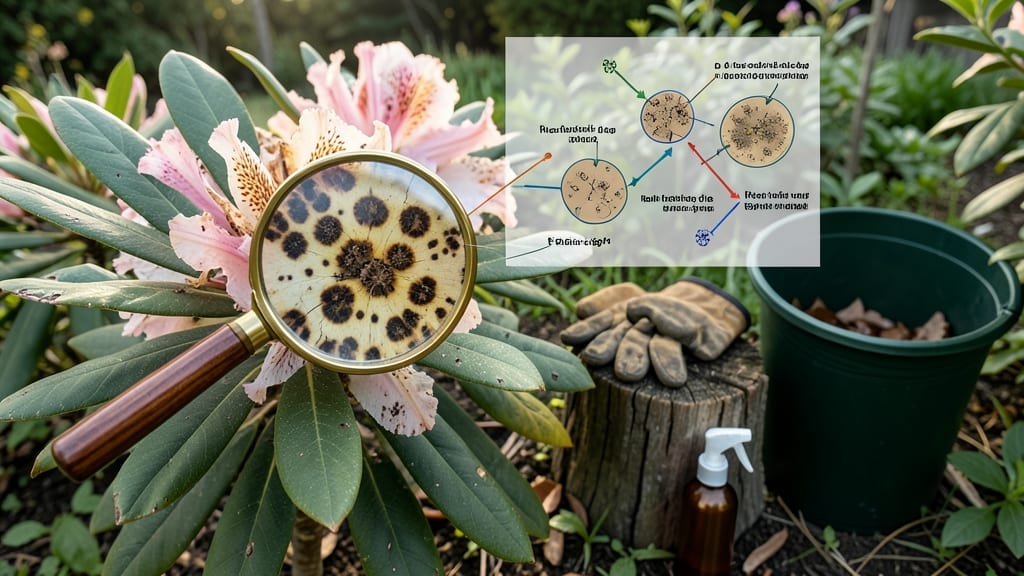
Your rhododendron's leaves are turning into a spotted mess, and you're staring at what looks like a fungal horror show—the telltale sign of rhododendron diseases like leaf spot. 🌿 That brown, crinkly leaf spot isn't just ugly—it's stealing your plant's energy, and if you don't act now, you could lose those glossy evergreen leaves for good.
The good news? I've saved my own rhododendrons from total defoliation using simple, organic methods that actually work.
Leaf spot diseases like Lophodermium or Pestalotia thrive when your rhododendron gets too wet, sits in shade all day, or crowds its neighbors. Those classic brown spots with yellow halos? That's your plant screaming for better airflow and smarter watering.
I've seen gardeners panic and reach for harsh chemicals first—don't make that mistake. The real fix starts with pruning, spacing, and a few targeted organic sprays that stop the spread without harming bees or your soil.
Within two weeks of proper care, you'll see new growth pushing out clean, unspotted leaves. The key is catching it early—once those spots spread to half the foliage, recovery takes months.
My method combines copper sprays (the old-school organic cure), neem oil applications, and a few cultural tweaks that make your rhododendron too healthy for fungi to bother with. No more hiding those plants behind shrubs or pretending they're fine—let's turn this around.
This works for both container rhododendrons and in-ground plants, whether you're in the Pacific Northwest's damp climate or a hotter zone where afternoon shade becomes critical.
The same principles apply—just adjust the timing. Let's get those leaves looking vibrant again without resorting to chemicals that'll have you hiding the plant anyway.
Root Causes Of Leaf Spot
Rhododendron leaf spot diseases are rarely just random bad luck—they’re usually a sign your plant’s environment or care routine is off balance. Understanding the why behind these fungal and bacterial infections helps you prevent them before they spread.
Let’s break down the most common triggers, from weather woes to gardening habits.
Fungal pathogens like Lecanosticta acicola (the culprit behind needle cast) and Phytophthora thrive in prolonged moisture. Here’s how it happens:
- Overhead Watering: Splashing water onto leaves creates the perfect breeding ground for spores. Unlike roots, rhododendron foliage isn’t designed to dry quickly.
- Poor Drainage: Soggy soil keeps leaves damp for days. Test your soil—if water pools after 24 hours, drainage is the issue.
- High Humidity + Warmth: Temperatures between 60–80°F (15–27°C) with >70% humidity accelerate fungal growth. Coastal gardens or greenhouses are hotspots.
- Leaf Debris: Fallen leaves or mulch piled against stems trap moisture, giving fungi a cozy home year-round.
💡 Pro Tip: Water at the base in the morning (not evening) to let leaves dry by nightfall. Use a rain gauge to track moisture—rhododendrons hate "wet feet."
Bacterial leaf spot (Pseudomonas syringae) is often introduced through wounds or tools. Here’s how it takes hold:
- Pruning with Dirty Tools: Knives or shears contaminated from other plants can inject bacteria into cuts. Always sanitize with 70% rubbing alcohol or a bleach solution (1 part bleach to 10 parts water).
- Physical Damage: Hail, wind, or even bird pecking creates entry points. Weakened leaves are prime targets.
- Splashing Water: Like fungi, bacteria hitchhike on water droplets, spreading from infected leaves to healthy ones.
- Crowded Plantings: Poor airflow lets bacteria linger. Rhododendrons need 3–5 feet of space between plants for circulation.
⚠️ Warning: Bacterial infections often appear as greasy, water-soaked spots that ooze when wet. Unlike fungal spots, they don’t have a fuzzy or powdery texture.
A stressed rhododendron is like an open invitation for pathogens. Common stressors include:
- Nutrient Deficiencies: Low magnesium or iron (yellowing between veins) weakens cell walls, making leaves vulnerable.
- Over-Fertilizing: Too much nitrogen promotes soft, lush growth that’s suspceptible to leaf spot. Use a balanced 10-10-10 or acidic fertilizer (pH 4.5–6.0).
- Root Compaction: Roots struggling in clay-heavy soil can’t absorb water/nutrients efficiently, leading to leaf stress.
- Pests as Gatekeepers: Spider mites or aphids damage leaves, creating wounds where fungi/bacteria enter.
🌡️ Soil Test Tip: Use a home pH kit ($10) to check soil acidity. Rhododendrons need acidic soil (pH 4.5–5.5). If your soil is alkaline, amend with peat moss or sulfur.
Leaf spot isn’t just a summer problem—it peaks during transitional seasons when conditions are just right for pathogens:
| Season | Why It’s Risky | Red Flags |
|---|---|---|
| Spring | Cool nights + warm days create condensation on leaves. New growth is tender and unprotected. | Spots appear on young leaves first. |
| Fall | Leaves stay damp longer as temps drop. Autumn rains + falling debris spread spores. | Brown mummified leaves clinging to branches. |
| Winter (in Mild Climates) | Freeze-thaw cycles crack bark, letting pathogens in. Wet snow on leaves = fungal buffet. | Blackened leaf edges or tar-like spots. |
✨ Prevention Hack: In spring/fall, apply a 2-inch layer of pine needles or oak leaves as mulch. This acidifies soil and improves drainage while deterring fungi.
Quick Fixes for Leaf Spot Woes
Now that you’ve identified the culprit behind your rhododendron’s leaf spot troubles, it’s time to roll up your sleeves and take action!
Whether it’s fungal infections like Lanceolate Spot, Canker Spot, or Target Spot, or environmental stress causing discoloration, these practical, organic solutions will help your plants bounce back—without harsh chemicals. Below, we’ve mapped out cause-specific fixes, along with prevention tips to keep future outbreaks at bay.
Fungal diseases thrive in damp, crowded conditions, so your first move should be to improve airflow and remove infected foliage before the spores spread.
1. 🔪 Prune Infected Leaves (The Right Way)
- When: Early morning or late afternoon (to avoid stressing the plant in direct sun).
- How: Use sterilized pruners (wipe with rubbing alcohol between cuts) to snip off only the affected leaves—never tear them, as this can spread spores.
- Pro Tip: 💡 Bag and dispose of infected leaves in the trash (not compost)—fungal spores can survive in compost piles!
2. 🌡️ Boost Fungicide-Free Defense
Rhododendrons love acidic conditions, and fungi hate copper-based sprays or baking soda mixtures.
Try these: - Copper Fungicide Spray (organic, OMRI-listed): - Mix 1 tbsp copper sulfate (or a pre-made spray) with 1 gallon of water. - Spray under leaves (where spores hide) and repeat every 7–10 days until new growth appears. - Baking Soda Spray (for mild infections): - Combine 1 tsp baking soda + 1 tbsp vegetable oil + 1 tsp mild soap in 1 quart of water. - Spray in early morning (avoid hot sun, which can burn leaves).
3. 🌧️ Adjust Watering Habits
Fungi love moisture—so prevent soggy soil by:
- Watering at the base (not overhead) to keep leaves dry.
- Ensuring proper drainage (amend heavy soil with pine bark fines or perlite).
- Watering early in the day so foliage dries before nightfall.
If your rhododendron’s spots are from sun scorch, nutrient deficiency, or pests, the solution lies in adjusting care routines.
1. 🌿 Shield from Harsh Sun
- Problem: Pale, bleached spots on south- or west-facing leaves = sunburn.
- Fix:
- Plant in partial shade (3–6 hours of morning sun max).
- Use light shade cloth (30–50%) if relocating isn’t an option.
- Mulch heavily (3–4 inches of pine needles or bark) to protect roots from heat stress.
2. 🍄🐛 Pest Pressure?
Act Fast Spots from mites, aphids, or scale need targeted pest control: - Neem Oil Spray (organic, safe for rhododendrons): - Mix 1 tbsp neem oil + 1 tsp mild soap in 1 quart of water. - Spray top and bottom of leaves every 5–7 days until pests vanish. - Horticultural Oil (for stubborn infestations): - Apply in early spring or fall (avoid summer heat, which can damage leaves).
3. 💪 Nutrient Boost for Weak Leaves Yellowing or weak spots?
Your rhododendron may be iron- or magnesium-deficient. - Fix: - Acid-loving plant fertilizer (like Miracle-Gro Azalea/Camellia) in early spring. - Epsom salt soak (for magnesium): - Dissolve 1 tbsp Epsom salt in 1 gallon of water. - Pour around the drip line (not on leaves) monthly.
An ounce of prevention is worth a pound of cure! Follow these long-term strategies to keep your rhododendrons spot-free:
| Prevention Tip | How to Do It |
|---|---|
| 🌲 Space Plants Properly | Ensure 3–4 feet between shrubs for airflow. |
| 🍂 Clean Up Debris | Remove fallen leaves and mulch around plants to eliminate fungal hiding spots. |
| 🌧️ Improve Drainage | Amend soil with organic matter (compost, peat moss) if it stays soggy. |
| 🌿 Mulch Like a Pro | Use 3–4 inches of acidic mulch (pine bark, wood chips) to retain moisture without suffocating roots. |
| 🔄 Rotate Fungicides | If using sprays, switch between copper and neem oil to prevent resistance. |
Final Pro Tip: 🎯 Monitor regularly—catching leaf spot early (when only a few leaves are affected) makes treatment 10x easier than waiting for a full-blown outbreak!
With these targeted fixes, your rhododendrons should regain their lush, disease-free glory in no time. Happy gardening! 🌿💚
Frequently asked questions
What do rhododendron leaf spots look like?
Leaf spot on rhododendrons typically appears as brown or black spots with yellow halos around them. Fungal spots often have a powdery or fuzzy texture, while bacterial spots may look greasy or water-soaked. Severe infections cause leaves to crinkle, dry out, and drop prematurely.
Can I save my rhododendron if half the leaves have spots?
Yes, but act fast! Remove all infected leaves immediately and apply an organic fungicide like copper sulfate spray or neem oil. Improve airflow by pruning nearby branches and water at the base (not overhead). With consistent care, new growth should emerge within 4-6 weeks.
Why does my rhododendron keep getting leaf spot every year?
Recurring leaf spot usually means your plant's environment isn't right. Check for poor drainage, crowded planting, or overhead watering. Fungal spores often survive in fallen leaves or mulch—clean up debris annually. Also, ensure proper spacing (3-5 feet between plants) for airflow.
Is baking soda really effective for rhododendron leaf spot?
Yes, but it works best for early-stage fungal infections. Mix 1 tsp baking soda + 1 tbsp vegetable oil + 1 tsp mild soap in 1 quart of water. Spray in the early morning (avoid hot sun) and repeat every 7-10 days. For severe cases, combine with copper fungicide for better results.
Can I still use my rhododendron flowers if it has leaf spot?
Yes, but only if the spots are limited to leaves and haven't spread to stems or buds. Fungal spores can contaminate flowers, so remove any infected blooms immediately. For heavy infestations, wait until the plant recovers before harvesting flowers to prevent spreading spores.