
Pests and Diseases
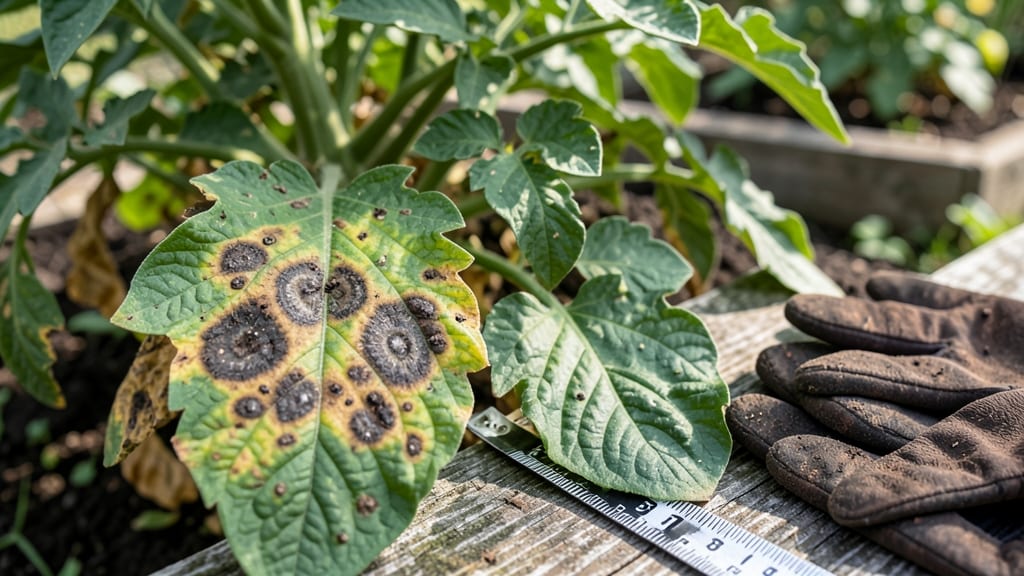
Your tomato plants are covered in tiny, dark spots that look like they’re spreading faster than weeds in spring. 🌱 Septoria leaf spot is the fungal villain turning your lush foliage into a sad, spotted mess—but there’s hope.
This organic spray protocol has saved my tomatoes from total collapse, and it can work for yours too. The problem starts with wet leaves and poor airflow, giving this fungus the perfect party spot. But the good news?
Copper sprays, neem oil, and baking soda mixtures can stop it in its tracks—without harsh chemicals. I’ve tested all three, and the right combo keeps my plants thriving well into harvest season.
By the end of this, you’ll have a spotless revival plan that includes preventive care, emergency treatments, and even resistant tomato varieties to plant next year. No more wilting disappointment when your tomatoes should be bursting with flavor.
Let’s get those leaves looking healthy again—because nobody wants a garden full of spotted sad sacks when summer’s ripe tomatoes are on the line.
The Hidden Triggers Behind Leaf Spots
Septoria leaf spot isn’t just a random nuisance—it’s the result of a perfect storm of environmental and biological factors. Understanding why these dark, greasy-looking spots appear on tomato leaves is the first step to stopping them in their tracks.
Below, we break down the key culprits, from fungal behavior to gardening habits that invite trouble.
The primary villain is the fungus Septoria lycopersici, a specialist that thrives on tomato plants. Here’s how it exploits your garden:
- Spores love moisture: The fungus produces spores that need free water to germinate. Even dew or light rain can activate them, turning your leaves into a buffet. Splashing water from soil to leaves (via overhead irrigation or heavy rain) spreads spores like confetti.
- Slow drying = fungal party: Tomato leaves with prolonged wetness (over 6–12 hours) create ideal conditions. The fungus penetrates through natural openings like stomata (leaf pores) or wounds, then sets up shop.
- Old leaves = high-risk zones: Mature, lower leaves are the fungus’s favorite entry points because they’re often shaded, stay damp longer, and have thinner cuticles. Overcrowded plants with poor airflow? Double the trouble.
💡 Pro Tip: If your garden stays humid or you’re in a rainy season, prune lower leaves aggressively to improve airflow and reduce fungal fuel.
Your watering habits might be accidentally feeding the fungus. Here’s how:
- Overhead sprinklers = spore taxis: Water droplets act like tiny rockets, splashing spores from infected leaves or soil onto healthy ones. This is why septoria spreads upward on plants—it hitches rides on water.
- Late-day watering = overnight buffet: Watering after 6 PM leaves leaves wet through the night, giving spores a 12-hour head start. The fungus metabolizes best in darkness when temperatures dip.
- Drip irrigation isn’t foolproof: While better than overhead, poorly placed emitters can still wet foliage if not angled correctly. Always aim for soil-only delivery.
✨ Fix It: Switch to drip irrigation with emitters 6+ inches from stems and water early morning (before 10 AM) to let leaves dry by evening.
Septoria leaf spot doesn’t just happen—it waits for the right weather. These conditions create its sweet spot:
| Factor | Fungal Love Range | Your Garden’s Risk |
|---|---|---|
| Temperature | 60–80°F (15–27°C) | Moderate to high risk: Cool, damp mornings with warm afternoons (e.g., spring/fall) are prime time. Heat above 90°F (32°C) slows the fungus, but only if humidity drops. |
| Humidity | 70%+ (especially overnight) | Danger zone: Greenhouses, shaded areas, or regions with high dew points turn your plants into fungal hotspots. Relative humidity >80% for 24+ hours = outbreak likely. |
| Rainfall | 0.5–1 inch (12–25 mm) in 24 hours | Splash risk: Heavy, frequent rain washes spores into the air and keeps leaves wet. Even light misting can trigger infections. |
🌡️ Climate Hack: In humid zones, space plants 18–24 inches apart and use mulch to reduce soil splashing. If you’re in a greenhouse, increase ventilation to drop humidity below 60% during the day.
Healthy plants resist septoria better. Stress weakens defenses, making leaves prime targets:
- Nutrient deficiencies: Low potassium (K) or calcium (Ca) thickens cell walls, but excess nitrogen (N) promotes lush, thin leaves that invite fungal colonization. Test soil—aim for a balanced 3-1-2 (N-P-K) ratio.
- Physical damage: Hail, wind, or even rough handling creates wounds where spores land. Pruning shears? Sterilize them with 70% rubbing alcohol to avoid spreading spores.
- Root stress: Compacted soil, root rot, or underwatering starves leaves of nutrients, making them 3x more susceptible to infection.
💪 Boost Defenses: Side-dress with compost or banana peel tea (high in potassium) and avoid over-fertilizing. Healthy roots = stronger leaves that repel fungal invaders.
Now that you know the why, the next step is flipping the script with organic sprays and smart gardening tweaks. Stay tuned!
Fixing Fungal Foliage Fails
When your tomato plants start showing the telltale signs of septoria leaf spot—those dark, greasy-looking spots with yellow halos—it’s time to act fast. The good news? With the right organic approach, you can turn things around and protect your harvest.
Below, we break down the most effective fixes based on the root causes, from improving air circulation to natural sprays that actually work. Let’s get your plants back in fighting shape!
Healthy plants resist disease better. Start by addressing the conditions that invited septoria leaf spot in the first place.
#### 🔥 Boost Airflow & SpacingFungal spores thrive in damp, crowded conditions. Give your tomato plants room to breathe:
- Prune aggressively: Remove lower leaves (especially those touching the soil) and thin out dense foliage to reduce humidity near the plant. Aim for 12–18 inches of space between stems.
- Stake or cage properly: Use sturdy supports to keep plants upright and prevent leaves from dragging on wet soil.
- Space rows 3–4 feet apart: If you’re growing in beds, wider spacing = faster drying after rain.
Wet leaves = fungal buffet. Adjust your watering habits immediately:
- Water at the base, never overhead: Use drip irrigation or soaker hoses to keep foliage dry. If hand-watering, aim for the soil early in the day so leaves dry by evening.
- Avoid late watering: Never water after sunset—moisture lingers overnight, perfect for spores.
- Improve drainage: If your soil stays soggy, amend with compost or perlite to help water drain faster.
Once the spots appear, act fast with a 3-step organic spray routine. Repeat every 7–10 days (or after heavy rain) until new growth is spot-free.
#### 👨🍳 Step 1: Copper-Based Fungicide (First Line of Defense)Copper is highly effective against septoria and disrupts spore germination. Use:
- Bordeaux mixture (1%) or copper sulfate (0.5–1 tsp per gallon)—mix with water and spray thoroughly on both sides of leaves.
- Best time to apply: Early morning or late afternoon to avoid leaf burn from direct sunlight.
- Safety note: Wear gloves and avoid spraying when bees are active.
A gentle, non-toxic mix that raises the leaf pH, making it harder for fungi to latch on:
- Recipe: 1 tbsp baking soda + 1 tsp horticultural oil or castile soap + 1 gallon water. Add a dash of dish soap (½ tsp) as a surfactant.
- How to use: Spray evenly on foliage, avoiding flowers/fruit. Reapply after rain.
- Why it works: Baking soda alkalizes the leaf surface, while soap helps the mix stick.
If spots persist, rotate treatments to prevent resistance:
- Neem oil (2 tsp per gallon): Spray in the evening (it’s photosensitive). Reapply every 5–7 days.
- Potassium bicarbonate (1 tbsp per gallon + ½ tsp soap): A low-toxicity option that works well in combination with copper.
Don’t let infected leaves become spore factories. Here’s how to clean up:
- Prune infected leaves: Snip off any leaf with spots (including yellowing ones) using sterilized pruners (wipe with rubbing alcohol between cuts).
- Dispose properly: Do not compost infected plant debris—bag and trash it to prevent reinfection.
- Focus on new growth: Let the plant redirect energy to healthy stems and fruit.
Break the cycle with these long-term strategies:
- Crop rotation: Never plant tomatoes (or nightshades like peppers/eggplants) in the same spot two years in a row.
- Solarize soil: In late summer, cover beds with clear plastic for 4–6 weeks to kill fungal spores in the soil.
- Choose resistant varieties: Look for ‘Mountain Merit,’ ‘Defiant PhR,’ or ‘Bush Early Girl’—they’re bred to tolerate septoria better.
- Mulch strategically: Use straw or grass clippings (not wood chips) to keep soil moist without wetting leaves.
Pro Tip: 🌡️ Monitor humidity with a hygrometer—keep it below 70% in the growing area to starve fungal spores.
Frequently asked questions
What do septoria leaf spots look like on tomato plants?
These spots start as tiny, dark brown or black specks with yellow halos around them. As they grow, they develop concentric rings and become greasy-looking. You’ll often see them on older leaves first, especially near the edges or midribs. The spots may also have tiny black dots in the center—these are the fungus’s spore-producing structures.
Can I still harvest tomatoes if my plants have septoria leaf spot?
Yes, but focus on removing infected leaves first to stop the spread. The fungus rarely infects fruit directly, so your tomatoes should still be safe to eat. Just avoid harvesting from severely infected plants—they may produce lower-quality fruit. Prune aggressively and use copper spray to protect remaining leaves for future harvests.
How often should I spray for septoria leaf spot prevention?
Start with a preventative spray every 7–10 days during wet seasons or high-humidity periods. If you’ve already seen spots, switch to weekly applications of copper or baking soda mixes. Always spray early morning or late afternoon to avoid leaf burn, and reapply after heavy rain. Consistency is key—don’t skip treatments during humid weather!
Will septoria leaf spot kill my tomato plants?
While it won’t kill healthy plants outright, severe infections can weaken them significantly, reducing yield and quality. The fungus defoliates leaves, limiting the plant’s ability to photosynthesize. If left unchecked, it may lead to fruit rot or stunted growth. Act fast with pruning, copper sprays, and improved airflow to save your plants and harvest.
Are there tomato varieties that naturally resist septoria?
Yes! Look for resistant varieties like ‘Mountain Merit,’ ‘Defiant PhR,’ or ‘Bush Early Girl.’ These are bred to tolerate fungal diseases better. If you’re growing heirlooms, consider trellising for better airflow or using row covers early in the season. Even resistant varieties benefit from preventative sprays during wet conditions.