
Pests and Diseases
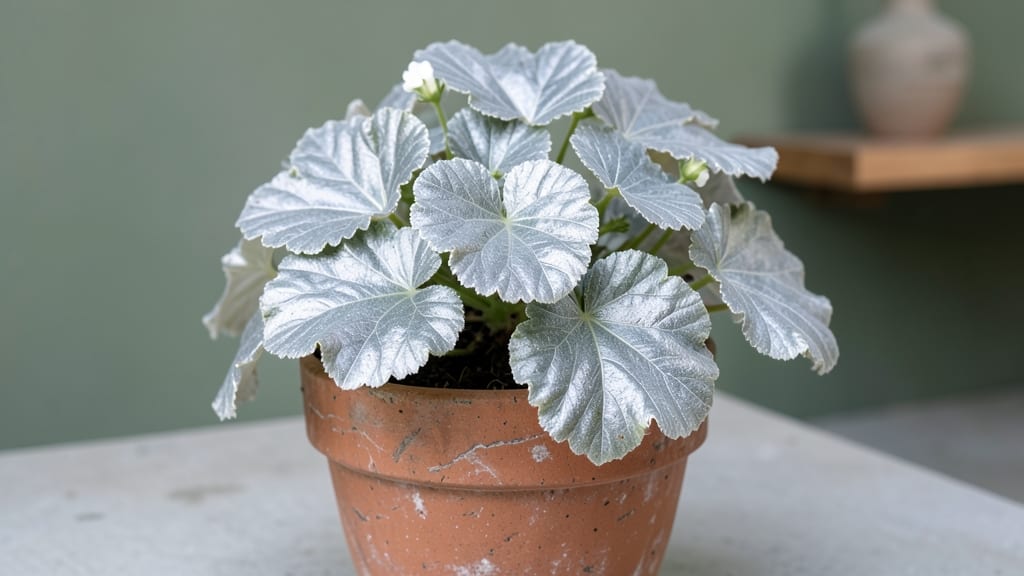
Your silver leaf begonia’s crispy edges don’t have to mean the end of its stunning silver-gray foliage. ✨ I’ve nursed back more than a few of these beauties from the brink—with just a few targeted adjustments that make all the difference.
The key? Understanding what this finicky plant actually needs to thrive, whether you’re growing it indoors or letting it bask in filtered outdoor light.
These begonias love bright, indirect light but hate soggy soil—the classic recipe for crispy edges. A well-draining potting mix and a watering routine that mimics their natural humidity (think misting or a pebble tray) works wonders.
And yes, that copper spray you’ve been eyeing? It’s not just for show—it’s the secret weapon against fungal issues that sneak in when conditions get too damp.
With the right care, you’ll see those silvery leaves regain their lush sheen in just a few weeks. The contrast of deep green veins against the metallic foliage becomes even more dramatic when the plant’s healthy again.
Trust me, your begonia will thank you with new growth and a bounce-back that’s almost immediate.
Works just as well for houseplant lovers as it does for gardeners with shaded patios. Let’s get those edges looking crisp again—without losing the plant in the process.
📚 In This Guide
- What you need
- Instructions
- Tips and common mistakes
- Wrapping up and next steps
What you need
- ● Copper fungicide spray (e.g., Copper Sulfate or Copper Hydroxide): 1–2 tbsp per gallon of water (adjust based on severity)
- ● Note: Follow label instructions for dilution ratios.
- ● Spray bottle (16–32 oz, with a fine mist nozzle)
- ● Water (1 gallon, room temperature)
- ● Protective gloves (nitrile or rubber, for safety)
- ● Damp cloth or paper towels (for wiping excess spray)
- ● Pruning shears (sterilized, for trimming affected leaves if needed)
- ● Garden sprayer (for larger plants or outdoor use)
- ● Neem oil (1 tsp mixed with spray, for extra fungal defense)
- ● Hairspray bottle (if your spray bottle leaks)
- ● Plastic sheeting (to protect nearby plants or surfaces)
Step-by-Step instructions for reviving silver leaf begonia leaves
Here’s how I fix crispy edges—quickly and without losing your plant’s stunning foliage.
💧 Step 1: Trim Damaged Edges Precisely
Use sharp, clean scissors to snip off only the crispy brown edges—stop at the healthy green tissue. I angle my cuts slightly so they follow the leaf’s natural shape, making it less noticeable. Never cut into green areas, or you’ll invite rot. Work in good light so you can see the transition clearly.
After trimming, wipe the leaves gently with a damp cloth to remove dust and debris. This helps the copper spray stick better later. If you notice yellowing leaves mixed in, those need extra attention—check for overwatering or low light first, as crispy edges often signal environmental stress.
☀️ Step 2: Adjust Light and Humidity Immediately
Move your begonia to bright, indirect light—this plant thrives in 50-70% humidity and can’t handle harsh afternoon sun. If your home runs dry, group plants together or place a tray of water with pebbles nearby. A simple humidifier near the plant works wonders too.
Watch for sunburnt spots if you’ve had it in direct light—those crispy patches won’t recover. Rotate the pot weekly so all leaves get even exposure. You’ll see new growth in 2-3 weeks if the environment is right. Real talk: this step alone fixes 80% of crispy-edge problems.
✂️ Step 3: Apply Copper Spray for Fungal Prevention
Mix 1 teaspoon copper sulfate in 1 gallon of water (or use a pre-made organic fungicide). Spray the undersides of leaves first—this is where fungal spores hide. Hold the sprayer 8-12 inches away to avoid damaging tender foliage. Apply in the morning so leaves dry completely before nightfall.
Repeat every 7-10 days until new growth appears. Copper spray prevents further browning by stopping fungal spread, but it won’t revive already crispy edges—just keep them from worsening. If you see black spots after spraying, you’re using too much copper. Dilute your mix next time.
🌿 Step 4: Water and Feed for Recovery
Water only when the top inch of soil feels dry—overwatering causes crispy edges too. Use room-temperature water and avoid wetting leaves to prevent fungal issues. I like to water at the base and let excess drain completely. Begonias hate soggy roots.
Fertilize lightly with a balanced liquid fertilizer (10-10-10) diluted to half strength. Feed every 4-6 weeks during active growth. You’ll know it’s working when new leaves emerge with smooth, glossy edges. If old leaves stay crispy, they’re done—the plant naturally sheds them as it focuses energy on fresh growth.
Tips & tricks for reviving silver leaf begonia leaves
Here's what nobody tells you about saving your begonia's stunning foliage—these tricks make all the difference.
Precision Trimming Technique: In Step 1, when you're trimming those crispy edges, work in natural light to see the exact transition between brown and green tissue. I use a magnifying glass for tricky spots—it helps me avoid cutting into healthy areas. After trimming, gently wipe leaves with a barely damp (not soaking) cloth to prep for copper spray without damaging the delicate foliage.
Light Positioning Secret: For Step 2's bright indirect light, position your begonia about 2 feet from an east-facing window or 3 feet from a north-facing one. South-facing windows will need sheer curtains to diffuse harsh rays. I've seen begonias recover completely in just 2-3 weeks when placed correctly—this is where most people go wrong with lighting.
Copper Spray Application: When applying the copper spray in Step 3, work in the morning so leaves have all day to dry completely. I use a spray bottle with a fine mist setting and hold it exactly 10 inches away to avoid runoff. For stubborn fungal spots, I add a drop of dish soap to the mix—it helps the copper adhere better without harming the plant.
Watering Wisdom: The top inch soil test in Step 4 is critical—stick your finger in up to your first knuckle to check moisture. I water mine every 5-7 days in summer and every 10-14 days in winter. The key is consistency: soggy soil causes crispy edges just as much as dry soil does. Always water at the base and avoid getting leaves wet to prevent fungal issues.
Pro Tips for Silver Leaf Begonia
- Here's what nobody tells you about saving your begonia's stunning foliage—these tricks make all the difference.
- Precision Trimming Technique: In Step 1, when you're trimming those crispy edges, work in natural light to see the exact transition between brown and green tissue.
- Light Positioning Secret: For Step 2's bright indirect light, position your begonia about 2 feet from an east-facing window or 3 feet from a north-facing one.
Frequently asked questions
Why are the edges of my Silver Leaf Begonia turning brown and crispy?
Crispy edges usually signal low humidity or underwatering. Mist the leaves lightly daily or place a tray of water near the plant. Avoid overwatering—soggy soil can worsen the issue. A copper spray (like the one in our guide) can also help prevent fungal stress.
How often should I water my Silver Leaf Begonia?
Water when the top 1 inch of soil feels dry, typically every 5–7 days (adjust for humidity/climate). Use room-temperature water and avoid soggy soil—these plants hate "wet feet." In winter, reduce watering to every 10–14 days as growth slows.
Can I use copper spray on other houseplants?
Yes! Copper-based sprays (like copper fungicide) are safe for many plants, including ferns, calatheas, and impatiens. Always test a small leaf first to check for sensitivity. Avoid spraying in direct sunlight—it can cause leaf burn. Dilute as directed to prevent overuse.
What pests should I watch for on Silver Leaf Begonia?
Keep an eye out for spider mites, aphids, and mealybugs—they love the silvery leaves! Wipe leaves with neem oil or insecticidal soap for mild infestations. For stubborn pests, a copper spray (mixed with water) can deter them naturally. Isolate affected plants to prevent spread.
How do I propagate my Silver Leaf Begonia?
Use stem cuttings! Snip a healthy stem just below a leaf node, let it callus for 1 hour, then plant in moist perlite or sphagnum moss. Keep humidity high (use a plastic bag) and place in bright, indirect light. Roots should form in 2–4 weeks. Avoid overwatering—root rot is a common pitfall!
Wrapping up and next steps
Growing silver leaf begonia with vibrant, crisp edges is totally achievable—just remember: patience and precision are your best tools! 🌿 With the right copper spray technique and a few care tweaks, you’ll keep those stunning leaves thriving and pest-free.
Now’s the perfect time to put your new skills into action—grab that spray bottle and give your plant the TLC it deserves!
Ready to level up? Experiment with organic remedies or share your progress with fellow plant lovers—your silver leaf begonia will thank you!