
Trees
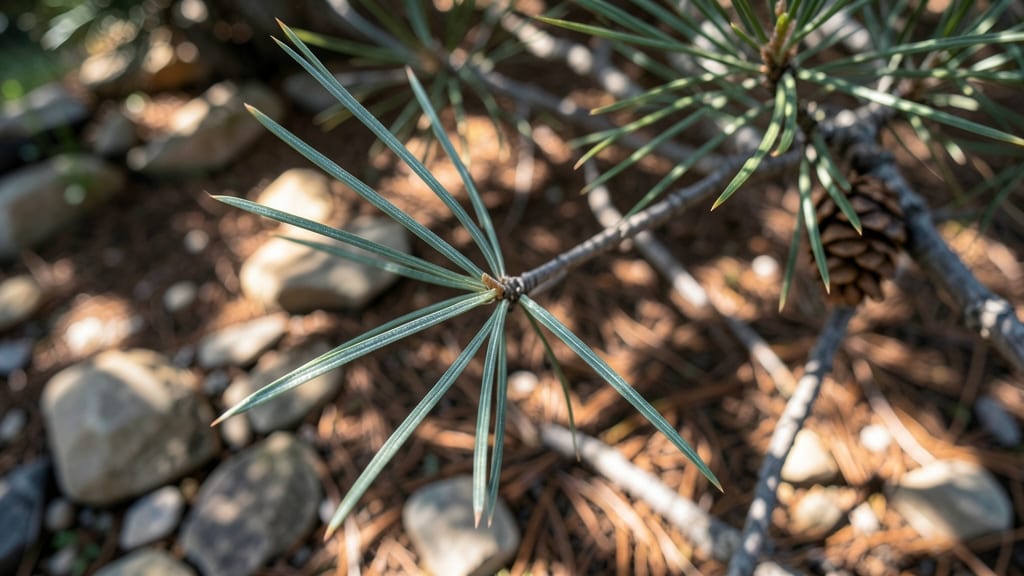
Planting a single-leaf pinyon pine means adding a drought-proof desert icon to your landscape—one that thrives where others fail. 🌵 These native Western trees, with their distinctive single-needle foliage, aren’t just survivors; they’re the backbone of arid ecosystems, and they’ll reward you with minimal fuss once established.
The secret to success starts with well-draining soil and full sun—no shade, no excuses. I’ve watched these trees go years without supplemental water once their roots establish, making them perfect for water-conscious gardeners in zones 5-9.
The key is mimicking their natural habitat: rocky, dry soil and space to spread their sturdy branches. You’ll love how they transform a dry corner into a textured, evergreen focal point—no summer browning, no pest problems. Just steady growth and that classic pinyon silhouette against the sky.
The first few years are about patience; after that, it’s all about watching nature do the heavy lifting. For those in fire-prone areas, their thick bark and sparse foliage make them fire-resistant too. Just avoid overwatering—this isn’t a houseplant.
Plant in fall or early spring, and let the desert do the rest.
📚 In This Guide
- What you need
- Instructions
- Tips and common mistakes
- Wrapping up and next steps
What you need
- ● Single leaf pinyon pine seeds – 5–10 seeds (or a young sapling from a nursery). Pro tip: Cold-stratify seeds for 30–60 days in a damp paper towel in the fridge to mimic winter conditions! 🌡️
- ○ Well-draining soil mix – 50% native desert soil + 30% coarse sand + 20% perlite or pumice. Optional: Add a handful of compost for young seedlings.
- ● Pot or container – 6–8 inches deep with drainage holes (for seedlings) or a 15-gallon pot for mature saplings.
- ● Mulch – 1–2 inches of gravel or bark chips (avoid organic mulch—it retains too much moisture!).
- ● Hand trowel or transplanting spade – For digging and planting.
- ● Watering can or hose with a gentle spray nozzle – Drought-resistant plants need deep but infrequent watering!
- ● Pruning shears – For shaping or removing dead branches (sterilize with rubbing alcohol).
- ● Garden gloves – Protect your hands from rocky or prickly soil.
- ○ pH test kit (optional) – Ideal soil pH for pinyon pine: 6.0–7.5. Adjust with lime or sulfur if needed.
- ● Full sun location – At least 6+ hours of direct sunlight daily (no shade!).
- ● Drought-tolerant zone – USDA Hardiness Zones 4–9. Avoid waterlogged areas.
- ● Patience – Pinyon pines grow slowly (1–2 feet per year). Celebrate small milestones! ✨
Step-by-Step instructions for cultivating single leaf pinyon pine
Here’s how to nurture this iconic Western landscape tree—where patience and precision pay off big.
🌱 Step 1: Select and Prepare the Right Seedling or Nursery Specimen
Pinyon pines thrive from seed, but for faster results, choose a 1-2 year-old nursery-grown seedling with a well-developed root system. Look for stocky stems and healthy dark green needles—avoid leggy or yellowing specimens. If starting from seed, cold-stratify Pinus edulis seeds for 60-90 days in moist sand at 35-40°F to break dormancy.
I always dig a hole twice as wide as the root ball but only as deep as the container—this prevents buried roots that suffocate the plant. Loosen the root ball gently if it’s root-bound, but don’t tease out individual roots. The key here is minimal disturbance—pinyon pines resent rough handling.
☀️ Step 2: Plant in Well-Draining Soil with Full Sun Exposure
This drought-resistant tree despises soggy feet. Amend native soil with 50% coarse sand or gravel to improve drainage, especially in clay-heavy areas. The planting site must receive 6+ hours of direct sun daily—pinyon pines grow best in USDA Zones 5-8 with hot, dry summers.
Place the seedling so the top of the root ball sits 1 inch above ground level. Backfill with native soil mixed with compost, tamping lightly to eliminate air pockets. Water deeply once after planting to settle the soil, then let it dry completely before watering again. Overwatering at this stage is the fastest way to kill your pinyon.
💧 Step 3: Establish Watering Routine and Mulch Strategically
For the first two growing seasons, water deeply every 2-3 weeks during dry spells—enough to moisten 12-18 inches deep. After that, rainfall alone should suffice in arid climates. I use a soil probe to check moisture levels; if it comes out dry, water again. Pinyon pines develop deep taproots early, so frequent shallow watering creates weak, shallow systems.
Apply 2-3 inches of gravel mulch (not organic) in a 3-foot radius around the base. This mimics natural desert conditions, conserving moisture and regulating soil temperature. Keep mulch 6 inches away from the trunk to prevent rot. The goal is to mimic the tree’s native habitat—dry, rocky, and sunbaked.
✂️ Step 4: Prune for Structure and Health in Late Winter
Pinyon pines are naturally low-maintenance, but light pruning in February-March (before new growth) encourages strong branching. Remove only dead, crossing, or diseased branches with sterilized pruners—never cut into healthy wood. I target branches thicker than ¼ inch for removal, as smaller trims can stimulate excessive growth.
Watch for pinyon nut moth larvae in summer—they defoliate young trees. If you spot tattered needles, spray with neem oil or introduce parasitic wasps (their natural predator). Healthy pinyon pines develop thick, waxy needles that resist pests naturally, but young specimens need extra protection.
⏰ Step 5: Monitor Growth and Adjust Care Over Time
Pinyon pines grow 6-12 inches per year in ideal conditions. After 5 years, they’ll need no supplemental water in most arid regions. By year 10, expect mature height of 15-30 feet with a sprawling, picturesque form. I always check for needle drop in fall—this is normal as older needles shed, but sudden yellowing signals stress.
Fertilize only once, in the first spring after planting, with slow-release 10-10-10 fertilizer applied 6 inches from the trunk. Over-fertilizing encourages weak growth and attracts pests. Let nature take its course—pinyon pines reward patience with century-long lifespan and iconic edible nuts for wildlife (and you, if you’re lucky).
Tips & tricks for growing a thriving single leaf pinyon pine
These insights will help you avoid common pitfalls and maximize your pinyon pine's potential in arid landscapes.
Seedling Selection: When choosing a nursery-grown specimen, pay special attention to the root system. Gently squeeze the root ball—it should feel firm and dense. If it crumbles easily, the roots haven't developed properly. I've seen many gardeners overlook this step and end up with trees that struggle in their first growing season. Look for seedlings with multiple lateral roots extending from the base rather than just a single taproot.
Soil Preparation: The 50% sand amendment in Step 2 is crucial for preventing root rot, but don't stop there. Test your soil's pH before planting—pinyon pines prefer slightly acidic to neutral soil (pH 6.0-7.5). If your soil is alkaline, add elemental sulfur to adjust the pH. I've had to correct this in several plantings where the native soil was too alkaline, which can lock out essential nutrients even with proper drainage.
Watering Wisdom: That first deep watering after planting (Step 2) should be done slowly over 30-45 minutes to prevent soil erosion. Use a soaker hose or drip irrigation to deliver water directly to the root zone. The goal is to saturate the soil to 12-18 inches deep without creating surface runoff. I've seen many gardeners overwater initially and create anaerobic conditions that suffocate young roots.
Mulch Placement: When applying the 2-3 inches of gravel mulch in Step 3, create a slight depression around the trunk before adding the mulch. This helps channel water directly to the root zone rather than pooling against the trunk. The mulch should slope gently away from the tree to prevent water accumulation. I've observed that proper mulch placement can reduce water needs by up to 30% during the critical first two years.
Pro Tips for Single Leaf Pinyon Pine
- These insights will help you avoid common pitfalls and maximize your pinyon pine's potential in arid landscapes.
- Seedling Selection: When choosing a nursery-grown specimen, pay special attention to the root system. Gently squeeze ...
- Soil Preparation: The 50% sand amendment in Step 2 is crucial for preventing root rot, but don't stop there. Test you...
Frequently asked questions
Got questions about growing or caring for the single leaf pinyon pine? We’ve got answers!
Here are some of the most common queries from gardeners and landscapers tackling this drought-resistant beauty.
What’s the best time of year to plant a single leaf pinyon pine?
The ideal planting window is early spring or fall—when temperatures are mild (50–70°F) and soil moisture is stable. Avoid extreme heat or frost, as young roots are sensitive. Pro tip: Water deeply before and after planting to reduce transplant shock!
How fast does a single leaf pinyon pine grow, and when can I expect cones?
Growth is slow but steady: 6–24 inches per year under ideal conditions. Cones (edible and ornamental!) typically appear after 10–15 years, with mature trees producing them annually. Patience pays off—this tree’s slow growth makes it a long-term investment!
Do single leaf pinyon pines need regular watering, or are they truly drought-proof?
While drought-tolerant, newly planted trees need consistent moisture for the first 2 years to establish roots. After that, water only during prolonged dry spells (every 2–4 weeks). Once mature, they thrive on rainfall alone—perfect for low-water landscapes!
What pests or diseases should I watch for with this tree?
Single leaf pinyon pines are resilient but can face pine bark beetles (watch for sawdust-like frass) or dothistroma needle blight (red needles). Preventive care: Prune dead branches, avoid overwatering, and inspect for early signs of stress. Healthy soil = happy tree!
Can I grow a single leaf pinyon pine in a container, or is it better planted in the ground?
While possible in large containers (20+ gallons), they’re best suited for in-ground planting due to their size (15–30 feet tall). If container-grown, use well-draining soil and repot every 2–3 years. Note: Pinyon pines have deep roots—containers limit their long-term potential.
How do I prune a single leaf pinyon pine without harming it?
Prune only to remove dead, diseased, or crossing branches—avoid heavy shaping. Use sterilized tools and cut just outside the branch collar in late winter/early spring. Never top the tree, as it stresses the plant. Think “less is more” for this low-maintenance star!
Wrapping up and next steps
The single leaf pinyon pine isn’t just a survivor—it’s a stunning, low-maintenance addition to arid landscapes that thrives where others falter. With its drought-resistant charm, adaptability, and striking pine nuts, this tree is a true masterpiece for gardeners in dry climates.
Whether you’re restoring native habitats or simply elevating your outdoor space, planting one is a rewarding step toward resilience and beauty.
Ready to bring this hardy gem into your yard? Start by sourcing a healthy sapling from a trusted nursery, then follow the care tips shared here to give it the best start. Watch as it grows into a resilient, long-lived centerpiece that stands the test of time—and drought! 🌵🌲