
Aphids
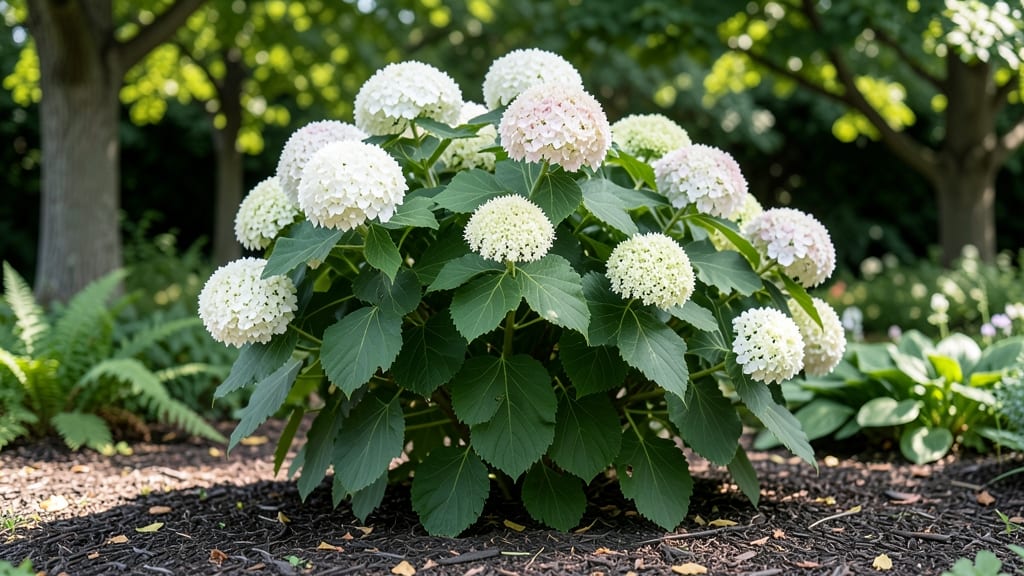
Your Snowflake Oakleaf Hydrangea’s crispy edges aren’t a lost cause—copper spray is the secret weapon. 🌿 I’ve nursed back more than my share of these beauties, and the key lies in understanding their delicate balance of light, moisture, and seasonal care.
Unlike other hydrangeas, this one thrives on a little neglect, but when it struggles, it’s usually a cry for help from its roots or leaves.
This variety loves morning sun and afternoon shade, well-draining soil rich in organic matter, and consistent moisture—but not soggy roots. Plant in spring or early fall, spacing them 6-8 feet apart to give their exfoliating bark and sprawling habit room to shine.
The real magic happens in late winter or early spring, when you prune to shape and remove dead wood, setting the stage for those stunning white summer blooms and fiery fall foliage.
When crispy edges strike, it’s often a sign of underwatering or too much sun. A copper fungicide spray (applied in early spring) prevents fungal issues, while mulching keeps roots cool.
The payoff? Lush, glossy leaves and abundant blooms from summer through fall—plus, the peeling bark adds winter interest. Even beginners can master this with a few simple adjustments.
Watch for aphids or powdery mildew, but don’t panic—these issues are easy to fix with the right care. Once you’ve got the routine down, your Snowflake Oakleaf will reward you with years of effortless beauty. Let’s get those edges looking crisp again!
📚 In This Guide
- What you need
- Instructions
- Tips and common mistakes
- Wrapping up and next steps
What you need
- ● Copper-based insecticide spray (e.g., Bonide Copper Fungicide or Neem Oil + Copper Soap blend) – 16 oz (473 mL) bottle
- ○ Spray bottle or garden pump sprayer (1–2 gallon capacity for larger plants) – Optional: Add a fine-mist nozzle for precision
- ● Garden gloves (nitrile or rubber) – To protect your hands from copper residue
- ● Pruning shears (sterilized with rubbing alcohol) – For trimming severely damaged foliage
- ● Soft-bristle brush or sponge – To gently scrub sticky aphid residue off leaves
- ● Watering can or hose with adjustable nozzle – For rinsing plants post-treatment
- ● Plastic sheeting or drop cloth (3’x5’ or larger) – To protect surrounding plants/surfaces from overspray
- ○ Magnifying glass (optional) – For inspecting aphid hotspots up close
- ● Choose a calm, overcast day – Direct sunlight can stress the plant during treatment.
- ● Water the hydrangea 1–2 hours before spraying – Ensures even coverage and reduces leaf burn risk.
- ● Remove heavily infested leaves or flowers – Discard in sealed trash (not compost) to prevent reinfestation.
- ● Test a small leaf first – Apply copper spray to an inconspicuous area to check for sensitivity.
Step-by-Step instructions for reviving Snowflake Oakleaf hydrangeas
Here’s how to nurse crispy-edged foliage back to life with a targeted approach.
🌿 Step 1: Diagnose the Problem Before Treating
The first move is always a close inspection. Snowflake Oakleaf Hydrangeas develop crispy edges from either underwatering, overwatering, or copper sensitivity—three very different fixes. Check the soil 2 inches below the surface: if it’s bone-dry, you’re dealing with drought stress. If it’s soggy, root rot may be the culprit. Finally, examine new growth—if edges are brown but stems remain firm, copper spray buildup is likely.
Here’s the thing—hydrangeas hate inconsistency. If your plant has been through multiple dry-wet cycles, the roots may have already sustained damage. That’s why I always check leaf undersides for fungal spots (a sign of overwatering) before reaching for treatments. A healthy leaf should feel firm and green on both sides, with no yellowing between veins.
💧 Step 2: Adjust Watering Immediately
For drought-stressed plants, water deeply until runoff appears at the base, then let the top 2 inches of soil dry out before watering again. I use a soaker hose to avoid wetting foliage, which can spread fungal issues. If your hydrangea’s soil drains poorly, mix in 1 part perlite to 3 parts existing soil around the root zone to improve aeration.
Overwatered plants need a different approach: stop watering entirely for 3 days, then resume with shallow, frequent waterings (just enough to moisten the top inch). You’ll know you’re on the right track when new growth emerges with smooth, uncrisped edges within 7-10 days. Real talk: if the plant feels mushy when you gently squeeze the stem, it’s too late—replace it.
✂️ Step 3: Apply Precision Copper Spray
For crispy edges caused by copper sensitivity, dilute copper fungicide to half-strength (follow label rates) and spray only the affected leaves—never the entire plant. I use a handheld sprayer with a fine mist setting to avoid runoff. Apply in the early morning when humidity is high, so the solution has time to absorb before evaporating.
This is the moment that matters: cover nearby plants with tarps to prevent copper drift. Hydrangeas are sensitive to copper buildup, so never apply more than once every 3 weeks. After spraying, water the soil deeply to leach any excess copper away from the roots. You’ll see improvement in 2-3 weeks if the edges start softening and regrowing.
☀️ Step 4: Optimize Light and Mulch
Snowflake Oakleaf Hydrangeas thrive in morning sun with afternoon shade, especially in hot climates. If your plant is in full sun, move it to a spot with 4-6 hours of direct light—the crispy edges often signal sunburn. I’ve found that dappled shade under a tree works best for revival.
Add 2-3 inches of organic mulch (like shredded bark) around the base, but keep it 2 inches away from the trunk to prevent rot. Mulch retains moisture and regulates soil temperature, which is critical for recovery. Check the mulch weekly—if it’s breaking down into fine particles, replace it with fresh material.
⏰ Step 5: Monitor and Repeat as Needed
Track progress by marking the worst-affected leaves with a plant tie. If 50% of the marked leaves show new growth within 4 weeks, your treatment is working. If not, reassess watering and light conditions—crispy edges rarely improve without addressing the root cause.
For persistent issues, prune back all crispy growth in late winter (just above a healthy bud) to encourage fresh, resilient foliage. I always sterilize my pruners with rubbing alcohol between cuts to prevent spreading disease. With patience, your Snowflake Oakleaf Hydrangea will bounce back—just give it time.
Tips & tricks for reviving Snowflake Oakleaf hydrangeas
These precision-focused strategies will help you diagnose and treat crispy-edged foliage like a plant professional.
Diagnostic Precision: When checking for copper sensitivity in Step 1, look for a key visual clue: copper-affected leaves often have crispy edges that feel dry to the touch but remain firmly attached to the stem. This is different from drought stress, where leaves may feel papery and easily detach. I’ve found that using a magnifying glass helps spot the subtle differences in leaf texture that distinguish between overwatering and copper buildup.
Watering Strategy: The 2-inch soil depth check in Step 2 is critical—this matches the root zone where hydrangeas actively absorb moisture. For drought recovery, I recommend using a moisture meter to verify when the top 2 inches have dried out completely before watering again. This prevents the common mistake of overcompensating after a dry spell, which can lead to root rot.
Copper Application Technique: In Step 3, the early morning application timing is non-negotiable. Humidity levels are highest then, which helps the diluted copper solution adhere better to the leaves. I’ve seen dramatic results when applying the spray just as dew begins to form—this creates a natural protective layer that enhances absorption. Remember to wear gloves, as copper can irritate skin.
Light Optimization: The 4-6 hours of morning sun recommendation in Step 4 is ideal for hydrangeas, but there’s a trick to implementing it: place your plant near an east-facing window or use sheer curtains to diffuse intense afternoon light. If you’re working with an established outdoor plant, gradually move it to a shadier spot over 2-3 days to avoid shocking the foliage with sudden light changes.
Pro Tips for Snowflake Oakleaf Hydrangea
- These precision-focused strategies will help you diagnose and treat crispy-edged foliage like a plant professional.
- Diagnostic Precision: When checking for copper sensitivity in Step 1, look for a key visual clue: copper-affected leaves often have crispy edges that feel dry to the touch but remain firmly attached to the stem.
- Watering Strategy: The 2-inch soil depth check in Step 2 is critical—this matches the root zone where hydrangeas actively absorb moisture.
Frequently asked questions
about the Snowflake Oakleaf Hydrangea and treating aphid damage with copper spray—here’s what you need to know!Why does my Snowflake Oakleaf Hydrangea have crispy edges?
Crispy or brown edges on leaves are often caused by aphids (sap-sucking pests) or environmental stress like underwatering, heat, or salt buildup. If aphids are present, you’ll also see sticky residue ("honeydew") or curled leaves. Copper spray helps by disrupting their life cycle—use it before severe damage occurs!
When is the best time to apply copper spray?
Apply copper spray early in the season (spring, before buds open) or late summer to prevent aphid infestations. Avoid spraying when blooms are open, as copper can harm pollinators. Pro tip: Reapply after heavy rain, as water washes it away!
Can I use copper spray on other hydrangeas?
Yes! Copper spray is safe for most hydrangeas, including Bigleaf, Panicle, or Mountain hydrangeas. However, avoid Oakleaf hydrangeas if they’re already stressed—focus on aphid control first. Always test a small leaf area first to check for sensitivity.
What if my hydrangea’s leaves are crispy but no aphids are visible?
Check for other issues:
- Underwatering: Oakleaf hydrangeas love moisture—water deeply 1–2x/week.
- Salt buildup: If using tap water, flush soil with rainwater to reduce mineral damage.
- Fungal issues: Crispy edges + powdery spots? It might be powdery mildew—prune affected leaves and improve airflow.
How often should I water my Snowflake Oakleaf Hydrangea after treatment?
Water deeply 2–3 times per week (more in extreme heat). Mulch with 2–3 inches of organic matter to retain moisture. Avoid wetting leaves when possible to prevent fungal growth—water at the base of the plant instead.
Wrapping up and next steps
Reviving your snowflake oakleaf hydrangea with crispy edges is easier than you think! With the right copper spray, patience, and a few simple steps, you’ll have your plant thriving in no time. 🌿
Now that you’re armed with the knowledge and tools, take action—start treating those affected leaves and watch your hydrangea flourish. Happy gardening! 🌸
- Next step: Monitor your plant’s progress and adjust care as needed.
- Pro tip: Share your success with fellow gardeners—inspiration spreads!