
Pests and Diseases
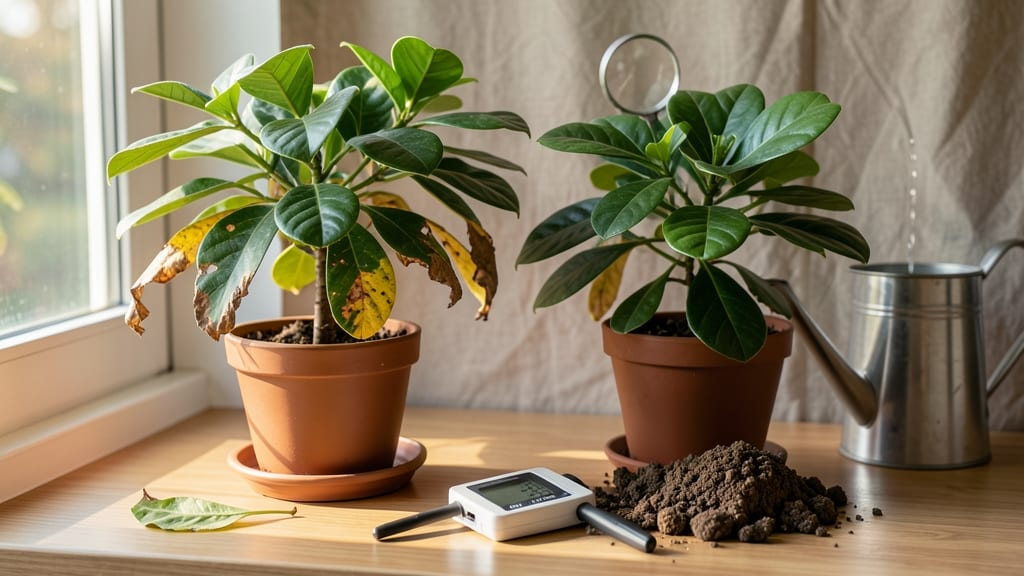
Your plant’s sudden leaf drop is a cry for help, and ignoring it won’t make it disappear. 🌿 Overwatering, pests, or fungal infections are usually the culprits—but pinpointing the exact cause is half the battle.
I’ve seen this panic in gardeners from beginners to veterans, and the good news? Most cases are fixable with a few targeted steps.
The first clue is where the leaves drop from—lower leaves often signal overwatering or root rot, while upper leaves might point to underwatering or spider mites. Check the soil: if it’s soggy, the roots are drowning; if it’s bone-dry, they’re thirsty.
Pests like mites leave tiny webs or speckled leaves, while fungal issues create yellow or brown spots before the leaves fall.
Once you identify the problem, act fast: adjust watering, spray neem oil for pests, or repot if the roots are rotting. Most plants bounce back within 2-4 weeks if you catch it early. The key is consistency—don’t let stress pile up, or you’ll lose more than just leaves.
This isn’t just about saving leaves—it’s about saving the whole plant. Think of it like a doctor’s visit: the sooner you diagnose, the easier the fix. Let’s get your garden back to thriving in no time.
Root Causes Behind Sudden Leaf Drop
Sudden leaf drop can turn your lush green plants into bare branches overnight, leaving you scrambling for answers. But before you panic, understanding the why behind this phenomenon is key to restoring your garden’s health.
Below, we break down the most common triggers—from environmental stressors to hidden pests—so you can pinpoint the issue and take action.
Plants are delicate barometers of their surroundings, and extreme conditions can force them to shed leaves as a survival tactic. Here’s how environmental factors play a role:
- 🌡️ Extreme Temperatures - Heatwaves: When temperatures soar above 90°F (32°C), many plants—especially tropical varieties like hibiscus or ferns—struggle to regulate moisture.
Leaves wilt, turn brown, and drop to conserve water. Action: Provide afternoon shade with shade cloth or mulch to retain soil moisture. - Frost or Freeze Damage: Cold snaps below 32°F (0°C) can cause cellular damage in sensitive plants (e.g., citrus, bougainvillea).
Leaves may blacken or crisp before detaching. Action: Use frost blankets or move potted plants to sheltered areas before the first freeze.
- 💧 Water Woes: Overwatering or Drought - Overwatering: Soggy soil cuts off oxygen to roots, leading to root rot (Phytophthora fungi) or nutrient starvation.
Yellowing leaves followed by drop-off are classic signs. Action: Let the top 1–2 inches of soil dry between waterings and improve drainage with perlite or sand. - Underwatering: Drought-stressed plants drop leaves to reduce water loss.
Look for crispy, curling edges. Action: Water deeply at the base (not overhead) and mulch to retain moisture.
- 🌬️ Wind and Sunburn
- High winds desiccate leaves, causing them to dry out and fall. Sunburn (from intense midday sun after frost or transplant shock) creates bleached or scalded patches. Action: Stake tall plants or use windbreaks; acclimate new plants gradually to full sun.
Pests don’t just nibble—they can trigger a defense mechanism called abscission, where plants shed leaves to limit damage. Here’s how to spot the culprits:
| Pest | Signs | Why It Causes Drop-Off | Fix It |
|---|---|---|---|
| Spider Mites | Tiny webs, stippled/yellowing leaves | Inject toxins that disrupt photosynthesis | Spray with neem oil or introduce ladybugs |
| Aphids | Sticky residue (honeydew), curled leaves | Sap-sucking weakens leaves, leading to premature drop | Blast off with water or use insecticidal soap |
| Japanese Beetles | Skeletons of leaves, chewed edges | Heavy feeding stresses the plant | Handpick beetles or use milky spore bacteria (organic) |
| Scale Insects | White/brown bumps on stems/leaves | Block nutrients and excrete honeydew, inviting mold | Scrape off manually or apply horticultural oil |
💡 Pro Tip: Check the undersides of leaves and new growth first—this is where pests hide and strike.
Pathogens thrive in moist conditions and can force plants to drop leaves as a last-ditch effort to contain the infection. Watch for these red flags:
- 🍄 Fungal Infections (Powdery Mildew, Leaf Spot)
- Symptoms: White powdery coating (powdery mildew) or brown spots with yellow halos (leaf spot).
- Why It Happens: Fungi like Botrytis or Alternaria clog stomata (leaf pores), suffocating the plant.
- Fix It: Prune infected leaves, space plants for airflow, and apply copper fungicide or baking soda spray (1 tsp baking soda + 1 quart water + a drop of soap).
- 🦠 Bacterial Leaf Spot
- Symptoms: Water-soaked, greasy spots that turn yellow/brown and drop.
- Why It Happens: Bacteria (Xanthomonas or Pseudomonas) enter through wounds or rain splashes, spreading rapidly.
- Fix It: Remove infected leaves immediately, sterilize pruners with rubbing alcohol, and avoid overhead watering.
- 🍄 Root Rot (Phytophthora, Pythium)
- Why It Happens: Waterlogged soil starves roots of oxygen, inviting fungal pathogens.
- Fix It: Repot in fresh, well-draining soil and add fungicide (e.g., Serenade Garden).
When plants lack essential nutrients, they prioritize new growth over maintaining old leaves, leading to premature drop-off. Here’s what to look for:
- 🌱 Nitrogen Deficiency (Yellowing Older Leaves)
- Why It Happens: Nitrogen fuels leaf production; without it, leaves turn yellow (chlorosis) and fall.
- Fix It: Apply a balanced fertilizer (10-10-10) or compost. For organic options, try blood meal or fish emulsion.
- 💧 Potassium Deficiency (Brown Leaf Edges)
- Why It Happens: Potassium regulates water and disease resistance. Marginal browning signals a shortage.
- Fix It: Use a banana peel tea (rich in potassium) or wood ash (sparingly).
- 🌿 Magnesium Deficiency (Interveinal Yellowing)
- Why It Happens: Magnesium is central to chlorophyll production. Yellow patches between veins appear first.
- Fix It: Apply Epsom salt (1 tbsp per gallon of water) every 2 weeks.
Moving plants—even with care—can trigger stress responses, including leaf drop. Here’s how to minimize the fallout:
- Root Disturbance: Damaged roots struggle to absorb water/nutrients, causing wilting and drop-off.
- Fix It: Water deeply before transplanting and prune 1/3 of the foliage to reduce stress.
- Environmental Mismatch: Sudden changes in light, temperature, or humidity can overwhelm plants.
- Fix It: Acclimate gradually (harden off) and avoid full sun for the first week post-transplant.
Herbicides, pesticides, or even salt buildup (from tap water or fertilizers) can scorch leaves and trigger drop-off.
Look for: - Brown, crispy edges (salt damage). - Bleached or distorted leaves (herbicide drift). - Fix It: Flush soil with water, use rainwater for sensitive plants, and avoid spraying pesticides on windy days.
How to Fix It Fast
Sudden leaf drop can be alarming, but the good news? Most causes have straightforward fixes—if you act quickly. Below, we’ve mapped out practical solutions for each common trigger, along with preventive steps to keep your plants thriving. Think of this as your emergency repair guide for green thumbs!
Fix it: 🔥 Step 1: Check the Soil Use your finger to test moisture 1–2 inches deep. If it’s soggy (like a damp sponge), your plant is drowning. Stop watering immediately and let the soil dry out completely before watering again.
🍳 Step 2: Improve Drainage
- For potted plants: Add a layer of perlite, gravel, or orchid bark to the bottom of the pot before repotting. This creates airflow and prevents waterlogging.
- For garden beds: Amend heavy clay soil with compost or sand to help excess water drain faster.
👨🍳 Step 3: Repot (If Needed) If roots are mushy or the pot has no drainage holes, repot into a container with better drainage and trim any black, rotting roots with sterilized scissors.
🥘 Step 4: Adjust Watering Habits
- Water deeply but less often—wait until the top 1–2 inches of soil are dry.
- Water in the morning to allow foliage to dry before nightfall (reduces fungal risks).
- Use well-draining soil mixes (e.g., cactus/succulent mix for drought-lovers, peat-based for moisture-lovers).
💡 Pro Tip: If your plant is in a decorative pot without drainage, place it in a saucer with pebbles and water from the top—never let it sit in standing water.
Fix it: 🔥 Step 1: Move It to Shade Relocate your plant to a spot with filtered light (e.g., under a sheer curtain, in partial shade, or under a tree canopy). Avoid harsh afternoon sun for a few days while it recovers.
🍳 Step 2: Protect from Heat Waves
- Mist leaves lightly in the early morning to cool them down (avoid evening misting—it can promote fungal growth).
- Use shade cloth (30–50% coverage) if outdoor temps exceed 90°F (32°C).
👨🍳 Step 3: Boost Hydration (But Don’t Overdo It) Water more frequently during heatwaves, but check soil moisture first—some plants (like succulents) prefer drought over soggy roots.
🥘 Step 4: Trim Damaged Leaves Snip off crispy, brown, or wilted leaves with clean pruners to redirect the plant’s energy to healthy growth.
🌡️ Pro Tip: If your plant is in a terracotta pot, it cools faster—great for heat-prone species like ferns or calatheas.
Fix it: 🔥 Step 1: Identify the Culprit
- Spider mites? Look for tiny webs and speckled leaves.
- Aphids/scale? Check for sticky residue (honeydew) or small bugs clustered on stems.
- Fungal issues? Yellow spots with black dots (anthracnose) or powdery white coating (powdery mildew)?
🍳 Step 2: Treat Pests Naturally - Soapy water spray: Mix 1 tsp mild dish soap + 1 quart water. Spray undersides of leaves where pests hide. Repeat every 3–4 days. - Neem oil: Dilute 1 tsp neem oil + 1 quart water + a drop of soap.
Spray thoroughly (works on mites, aphids, and fungal spores). - Beneficial insects: Release ladybugs or lacewings for organic pest control.
👨🍳 Step 3: Fight Fungal Infections
- Prune infected leaves immediately and sterilize tools with rubbing alcohol.
- Apply fungicide: Use copper fungicide (for severe cases) or baking soda spray (1 tsp baking soda + 1 quart water + a drop of soap).
- Improve airflow: Space plants apart and avoid overhead watering.
🥘 Step 4: Quarantine Infected Plants Keep sick plants separate from healthy ones until fully recovered to prevent spread.
✨ Pro Tip: Prevent future outbreaks by wiping leaves with a damp cloth weekly to remove dust (pests love hiding there!).
Fix it: 🔥 Step 1: Test Your Soil Use a DIY soil test kit (available at garden centers) or send a sample to a local extension office. Look for deficiencies in nitrogen (yellow leaves), potassium (weak stems), or magnesium (yellow between veins).
🍳 Step 2: Fertilize Smartly
- For nitrogen: Use a balanced fertilizer (10-10-10) or compost tea.
- For micronutrients: Try a chelated iron supplement (for chlorosis) or Epsom salt (1 tbsp per gallon of water) for magnesium.
- Avoid over-fertilizing—this can burn roots! Follow package instructions.
👨🍳 Step 3: Ease Transplant Shock
- Water deeply after repotting to reduce stress.
- Use root stimulator (like mycorrhizal fungi or seaweed extract) to encourage root growth.
- Keep humidity high with a plastic bag (remove after a few days) or pebble tray.
🥘 Step 4: Adjust Light & Temperature Transplanted plants need gentle recovery conditions:
- Indoor plants: Keep away from drafts or direct sun for 1–2 weeks.
- Outdoor plants: Acclimate gradually to sunlight (harden off).
🎯 Pro Tip: Slow-release fertilizer (like osmocote) feeds plants steadily without risk of overdoing it.
Fix it: 🔥 Step 1: Shield from Drafts Move plants away from AC vents, heaters, or open windows during cold drafts. Use a breathable fabric barrier (like a sheer curtain) if needed.
🍳 Step 2: Protect from Wind
- Potted plants: Place them in a sheltered spot (e.g., against a wall or under an awning).
- Outdoor plants: Stake tall plants or use windbreaks (like bamboo screens).
👨🍳 Step 3: Gradually Acclimate to Changes
- Moving indoors? Place plants near a sunny window for a few days before full exposure.
- Bringing outdoor plants inside? Quarantine them for a week to check for pests before introducing to other plants.
🥘 Step 4: Monitor Temperature Shifts
- Cold snaps? Cover plants with frost cloth at night.
- Heat spikes? Provide afternoon shade with a lightweight shade cloth.
💡 Pro Tip: Group plants together—they create a microclimate that stabilizes humidity and temperature!
✅ Water wisely: Stick your finger in the soil—when it’s dry 1–2 inches down, it’s time to water. ✅ Choose the right pot: Always use pots with drainage holes (even decorative ones—drill them yourself if needed!). ✅ Inspect regularly: Check undersides of leaves and stems weekly for early signs of pests. ✅ Rotate plants: Give them even light exposure by turning pots occasionally. ✅ Fertilize seasonally: Spring and summer are growth peaks—feed lightly every 4–6 weeks. ✅ Prune proactively: Remove yellow or damaged leaves before they become a problem.
Remember: Most plants bounce back quickly if you catch the issue early. Act fast, but don’t panic—your green friend is tougher than it looks! 🌿💚
Frequently asked questions
Why do some plants drop leaves faster than others when stressed?
Plants like maples, citrus, or houseplants like ficus are particularly sensitive to sudden changes. They drop leaves as a survival tactic to conserve energy when roots can't absorb enough water or nutrients. Tropical plants (e.g., hibiscus) often react more dramatically than hardy varieties like roses or lavender, which can tolerate more stress before shedding.
Is it normal for new leaves to drop after repotting?
Yes, but it shouldn't be excessive. A few leaves may fall during transplant shock, but if you're losing more than 10-15% of foliage, your plant is struggling. Focus on watering deeply after repotting and keeping it in stable conditions (no drafts or direct sun) for 2-3 weeks to help it recover.
Can sudden leaf drop be a sign of over-fertilizing?
Too much fertilizer (especially high-nitrogen) can burn roots, causing leaves to yellow and drop. Look for crispy brown edges or white crust on soil surface—both signs of over-fertilization. Flush the soil with water immediately and avoid fertilizing for 4-6 weeks while the plant recovers.
How do I tell if my plant is dropping leaves from pests vs. disease?
Check the undersides of leaves and new growth first. Pests (like spider mites or aphids) leave tiny webs, speckled patterns, or sticky residue. Diseases (like fungal spots) show as yellow/brown patches with dark borders or powdery coatings. If you see both, you may have a secondary infection from pest damage.
Will my plant grow back if I lose all its leaves?
It depends! Herbaceous plants (like impatiens) often regrow from the base, while woody plants (like citrus) may need time to sprout new leaves. If the roots are healthy and you fix the underlying issue (water, pests, etc.), most plants will recover—just be patient and keep conditions stable for 4-8 weeks.