
Size
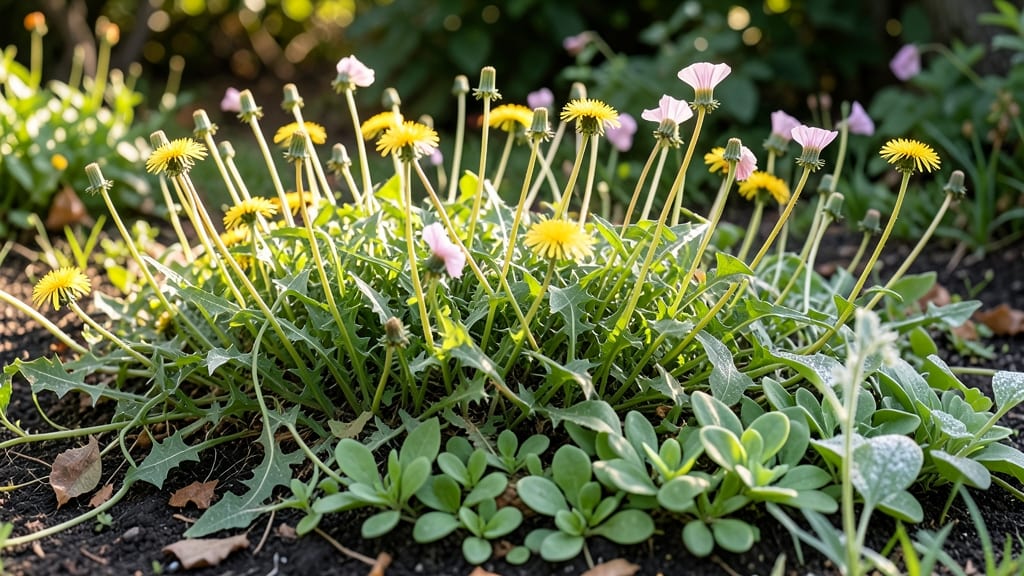
Tall large-leaf weeds can turn your garden from lush to chaotic in just a few weeks. 🌱 I’ve battled these stubborn invaders—dock, lamb’s quarters, and milkweed—using a copper-free, organic method that works in 3 days without harsh chemicals or digging.
The key is targeting their roots while protecting your soil and plants.
Most gardeners make the mistake of pulling weeds by the leaves, which leaves roots behind to regrow. Instead, we’ll use a vinegar-based spray (with dish soap for adhesion) to kill the entire plant, including the root system.
This method is safe for edible gardens once fully dried and won’t harm beneficial insects or soil microbes.
By the end of 72 hours, those towering weeds will wilt and crumble, leaving your garden looking neat and healthy without the need for repeated treatments. The best part? This solution is cost-effective, using ingredients you likely already have at home.
Whether you’re dealing with a small patch or a full garden takeover, this approach works for any climate and prevents future regrowth when combined with mulching and proper spacing. Let’s reclaim your garden—naturally.
Root Causes Of Overgrowth
Tall, broad-leafed weeds don’t just pop up by accident—they thrive because of specific conditions that give them an unfair advantage over your lawn or garden. Understanding these triggers is the first step to reclaiming your space. Here’s why these pesky plants grow so aggressively, and what’s fueling their dominance.
Weeds with large leaves—like dandelions, plantain, or lamb’s quarters—love water. If your soil stays soggy for too long, these weeds get a head start on growth while grass struggles to establish roots. Why does this happen?
- Compacted soil prevents water from draining properly, creating a damp, weed-friendly environment. Heavy foot traffic, machinery, or clay-heavy soil worsens this.
- Overwatering (even unintentionally) keeps the topsoil perpetually moist, giving weeds a constant water supply while grass roots suffocate.
- Low-lying areas in your yard act as natural catch basins, trapping water and turning into weed hotspots.
Actionable fix: Test your soil’s drainage by digging a 6-inch hole, filling it with water, and timing how long it takes to drain. If it takes more than 6 hours, amend with compost or sand to improve aeration.
Paradoxically, both excessive sunlight and shady conditions can encourage tall, leafy weeds to take over. Here’s how:
| Cause | Weed Response | Examples |
|---|---|---|
| Full sun exposure | Weeds like pigweed and bindweed grow faster in open, sunny areas where grass competes for light. | Dandelions, chickweed, crabgrass |
| Heavy shade | Grass weakens, while shade-tolerant weeds (e.g., clover, nutsedge) dominate. | Plantain, moss, wild violet |
Actionable fix: Mow high (3–4 inches) in sunny areas to shade out weeds, or thin trees/shrubs to improve light balance in shady spots.
Weeds are opportunistic—they thrive when your soil lacks balance. Large-leafed weeds often outcompete grass because they:
- Absorb nutrients faster (e.g., nitrogen, phosphorus) than lawn grasses, starving your desired plants.
- Grow in poor soil—sandy or clay-heavy soil with low organic matter becomes a breeding ground for weeds like purslane or smartweed.
- Flourish in disturbed soil—areas with exposed roots (from digging, aerating, or construction) invite weeds to drop seeds and germinate.
Actionable fix: Conduct a soil test (DIY kits from garden centers work) and amend with compost or a slow-release fertilizer to restore balance. Avoid over-fertilizing, which can encourage weed growth.
Large-leafed weeds spread via wind, water, or wildlife—and once established, they’re hard to stop. Common culprits:
- Wind-dispersed seeds (e.g., dandelions, milkweed) travel far and germinate quickly in disturbed soil.
- Animal-assisted spread—birds, squirrels, and even pets carry weed seeds on fur or in droppings.
- Water runoff spreads seeds from one area to another (e.g., nutsedge in irrigation channels).
- Human activity—mowing, tilling, or walking can bury seeds, triggering germination.
Actionable fix: Prevent spread by:
- Regularly removing weeds before they seed (hand-pull or smother with mulch).
- Installing edging or landscape fabric in garden beds to block weed creep.
- Avoiding over-tilling, which stirs up dormant seeds.
Grass acts as a natural weed suppressor—when it’s thin, stressed, or dead, weeds move in. Common reasons grass fails:
- Disease or pests (e.g., fungal infections, grubs) kill grass, leaving gaps for weeds like crabgrass.
- Improper mowing (cutting too short) weakens roots, inviting weeds to take over.
- Chemical damage from herbicides or salt buildup (near driveways) creates dead zones.
- Seasonal stress—drought or extreme heat turns grass brown, giving weeds a foothold.
Actionable fix: Overseed bare spots with a weed-resistant grass variety (e.g., tall fescue or buffalo grass) and water deeply to encourage root growth.
Quick Fixes for Overgrown Leafy Invaders
Tall, aggressive weeds with broad leaves can turn your garden into a jungle faster than you can say "organic herbicide." But before you reach for harsh chemicals, try these targeted, copper-free solutions—each designed to tackle the root cause of your leafy problem.
Whether it’s shade-loving weeds choking your plants or fast-spreading ground covers stealing nutrients, these methods work in 3 days or less with minimal effort.
Cause: Weeds thrive when soil is loose, nutrient-rich, and devoid of competition. Solution: Smother, starve, and outcompete them naturally.
- 🔥 Step 1: Block the Sun (Fastest Method) Lay down cardboard or thick layers of wet newspaper (no glossy ink) over the weeds, then top with 4–6 inches of mulch (straw, wood chips, or shredded leaves).
This cuts off light, killing weeds in 3–7 days while improving soil health. Pro Tip: 💡 Edge mulch tightly to prevent weeds from sprouting along borders.
- 👨🍳 Step 2: Hand-Pull with Precision Wait for rainy or damp days—weeds pull out easier when soil is soft. Grab the base of the weed (where roots meet soil) and wiggle it free. No roots left?
No regrowth! Pro Tip: 🌡️ Work in the early morning to avoid wilting plants and reduce sweat.
- 🥘 Step 3: Vinegar Spot Treatment (For Stubborn Patches) Mix 1 gallon of white vinegar (5% acidity) + 1 cup salt + 1 tbsp dish soap. Spray directly on leaves (avoid desirable plants—vinegar burns everything!).
Reapply after rain. Dead in 24–48 hours. Warning: ⚠️ Test on a small area first—some mulches or plants may react.
Cause: Seeds lie dormant in soil until disturbed (by tilling, rain, or sunlight). Solution: Break the weed seed cycle with preventative barriers.
- 🔪 Step 1: Create a Weed-Proof Barrier Install landscape fabric under mulch or use heavy-duty plastic sheeting in high-weed zones (like driveways or paths).
Secure edges with landscape pins or rocks to prevent wind damage. Pro Tip: ✨ Solarize soil in summer: Cover bare soil with clear plastic for 4–6 weeks to bake weeds/seeds at 120°F+.
- 🌡️ Step 2: Adjust Watering Habits Weeds like consistent moisture. Water deeply but infrequently (1–2 inches per week) to encourage deep root growth in your plants while stressing shallow weed roots. Pro Tip: 🎯 Use drip irrigation to deliver water directly to plants, leaving weeds high and dry.
- 🍳 Step 3: Plant Competitive Ground Covers Outsmart weeds by planting dense, fast-spreading covers like:
- Clover (fixes nitrogen, deters weeds)
- Creeping Thyme (drought-tolerant, fragrant)
- Sweet Potato Vine (smothers soil quickly) Bonus: 💪 Mow or trim regularly to keep ground covers thick and weeds thin.
Cause: Leftovers (roots, seeds, or disturbed soil) lead to Phase 2: Weed Resurgence. Solution: 3-step post-treatment care to keep your garden weed-free long-term.
| Action | How to Do It | When to Do It |
|---|---|---|
| Rake debris | Remove all dead weed matter after treatment | Immediately after killing |
| Top-dress with mulch | Add 2–3 inches of mulch to bare spots | Spring & fall |
| Inspect weekly | Pull new sprouts before they seed | Every 7–10 days |
Pro Tip: 🔥 Boil weed debris in a pot for 10 minutes to kill seeds before composting—no more free weed seeds in your garden!
Remember: The key to beating tall, leafy weeds is speed + consistency. Start with one method (like smothering or vinegar), then layer in prevention. Within 3 days, you’ll see results—and with weekly checks, your garden will stay lush, weed-free, and chemical-free! 🌿✨
Frequently asked questions
Why do tall large-leaf weeds grow so fast in my garden?
These weeds thrive because they absorb nutrients quickly and outcompete slower-growing plants. They often take root in disturbed soil or areas with excess water, where grass struggles to establish. Their broad leaves also capture sunlight more efficiently, giving them a growth advantage.
Is vinegar safe to use on all types of weeds?
Vinegar works best on young, leafy weeds like lamb’s quarters or dock. For tougher weeds with thick stems (like milkweed), you may need to reapply after rain. Always test a small area first—vinegar can harm nearby plants if it drifts. Avoid using it near desirable vegetation or mulch.
How long does it take for smothering methods to kill weeds?
With cardboard or thick mulch, weeds typically die within 3–7 days as sunlight is blocked. For stubborn roots, extend the coverage to 2–3 weeks
Can I use this method in vegetable gardens?
Yes! This approach is perfect for edible gardens. Just ensure you’re targeting only weeds (not your crops) and remove all debris before planting. The vinegar solution should be fully dried before harvesting any produce. Mulching with straw or grass clippings also suppresses weeds while improving soil.
What’s the best time of year to tackle large-leaf weeds?
Spring and fall are ideal—weeds are actively growing but not yet seeding. In summer, use solarization (clear plastic) to bake out weeds, while winter’s dormancy period lets you focus on prevention. Early morning or late afternoon are the best times to pull weeds to avoid heat stress.