
Pests and Diseases
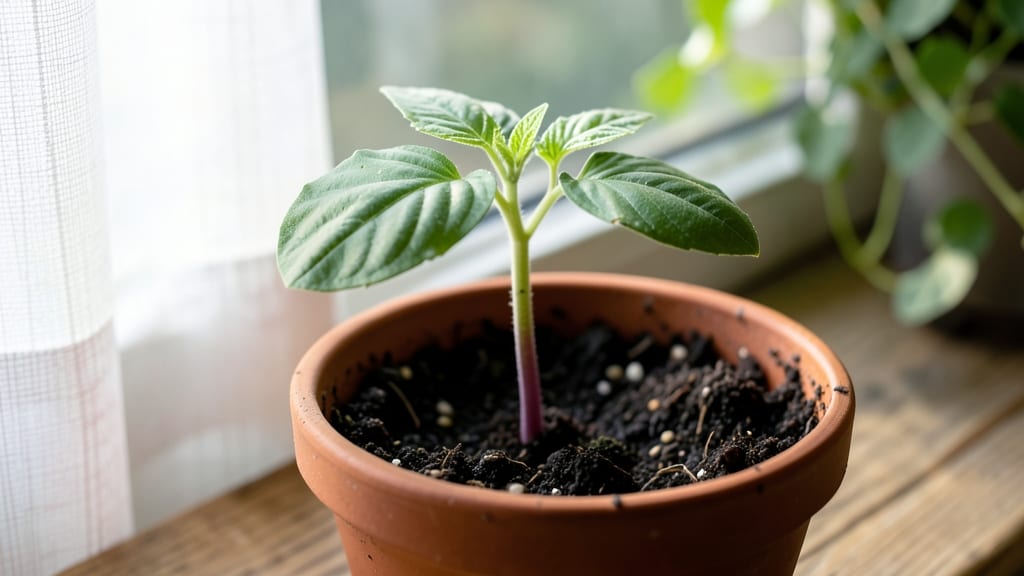
That first pair of true leaves is where the magic happens. 🌱 A two-leaf seedling isn’t just a sprout—it’s the plant’s big moment, when roots either explode with growth or get left behind.
I’ve watched these tiny stages turn into thriving tomatoes, peppers, and herbs, and the difference between success and failure often comes down to those first two weeks.
Most gardeners skip this stage, but it’s where you decide whether your seedlings will be stocky and strong or leggy and weak. The key is giving them the right balance of light, water, and space—whether you’re growing in soil or water.
My pepper seedlings went from wobbly to sturdy in just 10 days after I adjusted their light and water routine.
By the time you see those second leaves unfurl, you’ll have a plant that’s ready to handle transplanting without shock. The roots will be dense, the stems thick, and the leaves vibrant—no more flopping over when you move them to bigger pots or the garden bed.
This works for tomatoes, peppers, herbs, and even flowers like marigolds. The same principles apply whether you’re growing in a sunny windowsill, under grow lights, or out in the garden. Let’s get those seedlings on the fast track!
Root Causes of Stunted Growth
Understanding why a young plant like your two-leaf seedling struggles to thrive often boils down to a mix of environmental, biological, and human factors. While these tiny plants are resilient, they’re also highly sensitive to their surroundings.
Below, we break down the most common reasons—backed by science—and how to spot them in your setup.
A seedling’s first two leaves (called cotyledons) are its energy reserve, but if the seed didn’t sprout correctly, the plant may never develop strong roots or true leaves. Germination fails when: - Temperature extremes: Most seeds need a consistent range (60–85°F or 15–30°C).
Too cold slows metabolism; too hot can kill the embryo. - Moisture imbalance: Overwatering suffocates the seed (cutting off oxygen), while underwatering dries it out.
Aim for evenly damp soil—like a wrung-out sponge. - Light exposure: Some seeds (like lettuce) need light to germinate, while others (like tomatoes) rot if exposed too soon. Check your seed packet!
Actionable fix: Use a heat mat (for slow germinators) and clear domes (to retain humidity). If seeds sit too long without sprouting, they may have expired—test fresh batches.
Seedlings are light on nutrients but not on sensitivity. Even minor imbalances can halt root growth: - Lack of nitrogen (N): Pale, slow-growing leaves signal nitrogen deficiency. Nitrogen fuels leafy growth and root expansion. - Phosphorus (P) shortage: Stunted roots or dark, purplish stems?
Phosphorus helps energy transfer—critical for early growth. - Over-fertilizing: Too much salt (from fertilizers) burns delicate roots. Young plants can’t dilute excess nutrients, leading to fertilizer burn.
Actionable fix:
- Use a balanced starter fertilizer (e.g., 5-10-5 NPK ratio) diluted to half-strength.
- Flush soil with water after 2–3 weeks to prevent salt buildup.
- Avoid compost tea for seedlings—it’s too strong and can introduce pathogens.
Damp conditions + warm temps = perfect storm for pathogens. Common culprits: - Damping-off: A fungal disease causing seedlings to wilt and collapse at the soil line.
It thrives in crowded, overwatered trays. - Pythium or Phytophthora: Water mold that rots roots, turning them black and mushy. Often seen in overly wet soil. - Bacterial soft rot: Causes stems to ooze yellow fluid and smell foul. Spreads via contaminated tools or water.
Actionable fix:
- Improve airflow: Space seedlings 1–2 inches apart and avoid touching leaves when watering.
- Sterilize tools: Use 70% isopropyl alcohol on scissors or tweezers.
- Fungicide spray: Apply a copper-based fungicide (like copper soap) preventatively if humidity is high.
Seedlings are like Goldilocks—they need conditions that are just right: - Too cold: Roots slow down below 50°F (10°C).
Cold soil also locks out oxygen, suffocating roots. - Too hot: Above 90°F (32°C) stresses seedlings, causing wilting or leaf scorch. - Low humidity: Dry air makes leaves lose water faster than roots can absorb it, leading to transpiration stress.
Actionable fix:
- Use a humidity dome (remove once true leaves appear).
- Bottom-water (place trays in shallow water) to keep soil moist without overhead wetting.
- Move to a warmer spot if roots are slow (e.g., near a sunny window but not in direct heat).
Root growth stalls when seedlings compete for space and resources:
- Root-bound: If roots circle the pot (a sign of being too small), they can’t expand downward, leading to top-heavy, weak stems.
- Poor drainage: Waterlogged soil cuts off oxygen, causing anaerobic conditions that stunt roots.
- Wrong soil mix: Heavy clay or compacted soil restricts root penetration, while sterile potting mix lacks microbial life to aid nutrient uptake.
Actionable fix:
- Upgrade pots: Move to 2–3 inch pots once roots fill the current container.
- Use lightweight mix: Combine coco coir + perlite + vermiculite (50/30/20 ratio) for aeration.
- Avoid plastic trays: They trap heat and moisture—opt for biodegradable peat pots or fabric grow bags.
Tiny pests can silently sabotage your seedlings:
- Fungus gnats: Larvae chew on roots, leaving black, jagged damage.
- Aphids or spider mites: Sap-sucking pests weaken leaves, reducing photosynthesis and energy for roots.
- Cutworms: These nocturnal munchers sever stems at soil level, killing seedlings overnight.
Actionable fix:
- Inspect leaves daily: Look for sticky residue (honeydew), tiny webs, or chewed edges.
- Use yellow sticky traps to catch flying pests early.
- Diatomaceous earth (DE): Sprinkle lightly on soil (reapply after watering) to kill larvae.
More seedlings die from overwatering than underwatering—but both are deadly:
- Overwatering: Leads to root rot (soft, brown roots) and oxygen deprivation.
- Underwatering: Causes wilting and leaf curl, as roots can’t absorb enough water.
- Inconsistent moisture: Fluctuations stress seedlings, halting growth.
Actionable fix:
- Water when topsoil is dry (stick your finger in—if the top ½ inch is dry, it’s time).
- Use a moisture meter for precision (aim for 40–60% moisture).
- Water at the base: Avoid wetting leaves to prevent fungal spread.
Not all seedlings grow at the same pace—some are simply slow starters:
- Deep-rooted plants (like carrots or dill) take longer to establish.
- Hybrid seeds may have delayed germination due to breeding for disease resistance.
- Legumes (e.g., peas, beans) fix nitrogen but grow slowly until nodules form on roots.
Actionable fix:
- Research your variety: Check seed packets for days to germination and growth habits.
- Be patient: Some seeds (like okra) can take 10+ days to sprout—don’t assume they’ve failed!
- Supplement with mycorrhizal fungi: These beneficial microbes (found in rooting powders) help slow growers absorb nutrients faster.
Quick fixes for weak seedling struggles
A two-leaf seedling is a delicate stage in plant growth, and when issues arise, quick action can make all the difference. Below are practical solutions tailored to common problems—from damping off to nutrient deficiencies—along with prevention tips to keep your young plants thriving.
Symptoms: Yellowing leaves, mushy stems, slow growth, or mold on soil surface.
How to Fix It:
- 🔥 Stop Watering Immediately – Let the top 1-2 inches of soil dry out before watering again.
- 🍳 Improve Drainage – If using pots, add perlite or coarse sand to the soil mix (aim for a 50/50 blend with potting soil).
- 👨🍳 Repot if Necessary – If roots are rotting, gently remove the seedling, trim any blackened roots, and replant in fresh, well-draining soil.
- ⏰ Adjust Watering Schedule – Water only when the topsoil feels dry to the touch (stick your finger in—if it’s damp, wait).
💡 Prevention Tips:
- Use containers with drainage holes.
- Avoid saucers or trays that trap excess water.
- Water at the base (not overhead) to prevent fungal growth.
Symptoms: Tiny holes in leaves, webbing, sticky residue, or wilting despite proper care.
How to Fix It:
- 🔪 Isolate Infected Plants – Move the seedling away from others to prevent spread.
- 🌡️ Spray with Neem Oil – Mix 1 tsp neem oil + 1 tsp mild soap in 1 quart of water. Spray leaves thoroughly (repeat every 5-7 days).
- 🎯 Introduce Beneficial Insects – Ladybugs or lacewings can control aphids and mites naturally.
- ✨ Wipe Down Leaves – Use a damp cloth to remove spider mites or scale insects.
💡 Prevention Tips:
- Inspect new plants before bringing them indoors.
- Keep growing areas clean and free of debris.
- Use reflective mulch (like aluminum foil) to deter crawling pests.
Symptoms: Pale yellow leaves, stunted growth, or purplish stems (indicating nitrogen or phosphorus lack).
How to Fix It:
- 📊 Test Soil pH – Ideal range for most seedlings is 6.0–7.0. Adjust with lime (to raise pH) or sulfur (to lower it).
- 💪 Apply a Balanced Fertilizer – Use a half-strength liquid fertilizer (like 5-5-5) every 2–3 weeks.
- 🥗 Boost with Organic Amendments – Mix in compost or worm castings for slow-release nutrients.
- 🍎 Avoid Over-Fertilizing – Too much salt can burn young roots. Always water before fertilizing.
💡 Prevention Tips:
- Start with nutrient-rich seedling mix (avoid garden soil).
- Rotate crops to prevent nutrient depletion.
- Monitor leaf color—yellowing between veins often signals iron deficiency (add chelated iron if needed).
Symptoms: Leggy stems, weak leaves, or seedlings leaning toward light.
How to Fix It:
- 🔥 Move to Ideal Light – Seedlings need 12–16 hours of bright, indirect light daily. Use a grow light if natural light is insufficient.
- 🌡️ Adjust Temperature – Keep seedlings in a 65–75°F (18–24°C) range. Avoid drafts or heat sources.
- 🎯 Rotate Seedlings Weekly – Prevents them from stretching toward one light source.
- ✨ Use Reflective Surfaces – Place a white board or aluminum foil behind seedlings to maximize light reflection.
💡 Prevention Tips:
- Start seeds indoors 4–6 weeks before the last frost.
- Use a heat mat for cool climates (keeps soil warm for faster germination).
- Avoid placing seedlings near cold windows or vents.
Symptoms: Seedlings collapsing at the soil line, gray mold, or blackened stems.
How to Fix It:
- 🔪 Remove Affected Seedlings Immediately – Prevents the fungus from spreading.
- 🍳 Sterilize Tools & Soil – Wash pots with 1 part bleach to 9 parts water, then rinse. Replace soil with a fresh, fungicide-treated mix.
- 👨🍳 Apply Fungicide – Use a copper-based fungicide or hydrogen peroxide spray (3% solution, spray lightly).
- ⏰ Space Seedlings Wider – Overcrowding increases humidity and fungal risk. Thin to 1–2 inches apart.
💡 Prevention Tips:
- Sterilize seeds before planting (soak in hydrogen peroxide 3% for 5 minutes, then rinse).
- Avoid overhead watering—use a watering can with a fine rose nozzle.
- Improve airflow with a small fan on low speed (keeps humidity in check).
Final Note: Most seedling issues are fixable with early intervention. Stay vigilant, and your two-leaf stage will soon transform into strong, vibrant plants! 🌿
Frequently asked questions about two-leaf seedlings
What's the difference between cotyledons and true leaves?
Cotyledons are the first two leaves that appear on a seedling—they store nutrients from the seed. True leaves come after and look different (smaller, more complex shapes). For example, tomato cotyledons are thick and rounded, while true leaves are serrated.
How do I know if my seedlings are ready to transplant?
Look for two sets of true leaves (not counting cotyledons) and sturdy stems. Roots should fill the container or poke through drainage holes. Transplant in the morning on a cloudy day to reduce stress. Most seedlings are ready 3-4 weeks after sprouting.
Can I grow two-leaf seedlings in water instead of soil?
Yes! Place seeds in a jar with 2 inches of water and change it daily. Roots will grow quickly, but transfer to soil once true leaves appear. This method works best for herbs like basil or mint. Just watch for algae growth in the water.
Why are my seedlings stretching toward the light?
This is called etiolation—seedlings stretch when they don't get enough light. Move them to a sunnier spot or use a grow light 12-16 hours/day. Rotate pots daily to prevent leaning. Leggy seedlings recover but may stay weak.
What common plants have noticeable two-leaf stages?
Vegetables like tomatoes, peppers, and lettuce show this stage clearly. Herbs such as basil and parsley also develop two true leaves before becoming bushy. Flowers like marigolds and petunias follow the same pattern. Check seed packets for specific growth timelines.