
Pests
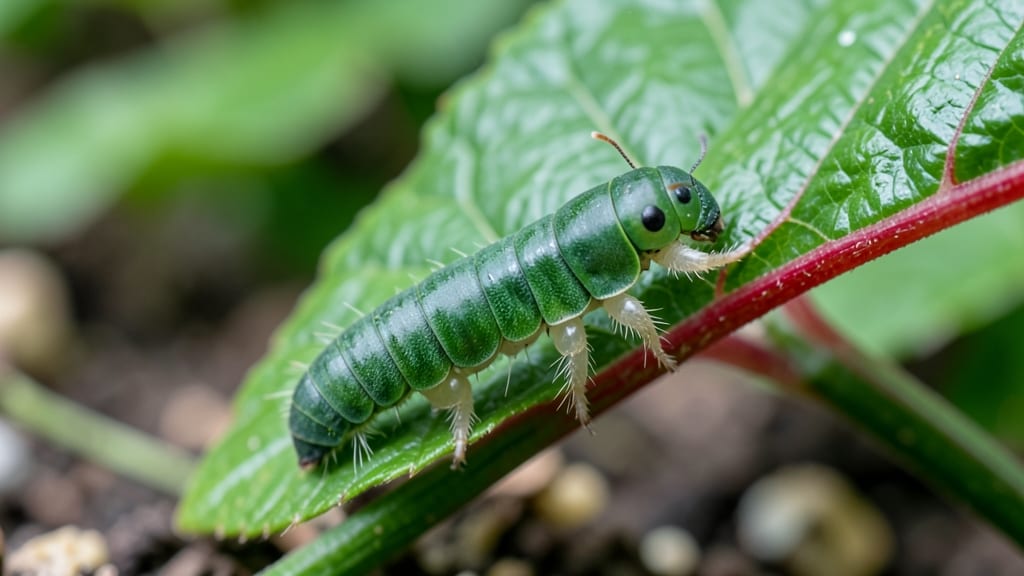
Your viburnum shrubs are turning into skeletonized leaf displays—those viburnum leaf beetle larvae are the culprits. ✨ I’ve watched entire bushes go from lush green to sad brown frames in just a few weeks, and I’m here to help you fight back without harsh chemicals.
The problem starts when tiny black larvae chew through leaves, leaving only the veins behind. Adult beetles lay eggs in spring, and by summer, your plants look like they’ve been through a leaf blower. But there’s hope—organic controls like neem oil, beneficial nematodes, and handpicking can turn things around.
With the right approach, you’ll see fresh green growth within weeks. The key is acting fast, combining physical removal with natural sprays, and keeping an eye out for new eggs. Your viburnums can bounce back stronger than ever.
This works for all viburnum varieties, from Viburnum dentatum to Viburnum opulus, and even saves your plants from long-term damage. Let’s get those leaves growing back thick and healthy again.
Root Causes of Infestations
When viburnum leaf beetle larvae (and their adult counterparts) descend upon your prized shrubs, it’s rarely a random act of nature. These pests thrive due to a mix of ecological, environmental, and even human-influenced factors.
Understanding why they target your plants—and how they multiply so quickly—is the first step to reclaiming your garden. Below, we break down the key drivers behind these destructive outbreaks.
The viburnum leaf beetle (Pyrrhalta viburni) has a single menu item: viburnum shrubs. But not just any viburnum—they prefer plants that are already weakened, making them easier to devour. Here’s why stress makes your shrubs a buffet:
- Nutrient Deficiencies: Plants lacking nitrogen, phosphorus, or potassium are less able to mount a defense against pests. A quick soil test can reveal imbalances—look for yellowing leaves (nitrogen deficiency) or stunted growth (phosphorus shortage).
- Poor Drainage or Waterlogging: Viburnums drowning in soggy soil or struggling with drought stress emit chemical signals that attract herbivores. Beetles and larvae detect these distress cues, homing in like a GPS to a weakened target.
- Competition for Resources: Overcrowded shrubs compete for sunlight and nutrients, leading to thin canopies and tender new growth—larvae love this. Prune aggressively in early spring to improve airflow and reduce hiding spots.
💡 Pro Tip: Healthy plants are naturally resistant. Fertilize with compost or a balanced organic fertilizer (like 10-10-10) in early spring to harden your viburnums before beetles emerge.
These beetles aren’t just choosing your garden—they’re timing their invasion based on temperature and moisture. Their lifecycle is tightly linked to seasonal shifts:
| Season | Why It Matters | Beetle Behavior |
|---|---|---|
| 🌞 Spring (April–May) | Warm, rainy spells stimulate egg-laying. | Adults emerge, chew leaves, then lay bright orange eggs on undersides of leaves. |
| 🌿 Summer (June–July) | High humidity extends larval survival. | Larvae hatch, skeletonize leaves, and pupate in soil or leaf litter. |
| 🍂 Fall (August–October) | Cool temps trick beetles into delaying dormancy. | Adults reappear if temps stay mild, prolonging damage. |
🌡️ Key Insight: Regions with mild winters (like the Pacific Northwest or Southeast U.S.) see year-round activity, while colder zones may have two generations per year. Monitor your area’s frost dates to predict outbreaks.
Sometimes, we create the perfect conditions for these pests. Unintentional gardening practices can turn your viburnums into a beetle buffet:
- Lack of Pruning: Beetles hide in dense foliage and lay eggs in protected areas. Skipping annual pruning (especially in late winter) leaves them undisturbed.
- Ignoring Leaf Litter: Fallen leaves and debris provide puppating sites for larvae. A thick mulch layer (especially near the base of plants) can trap moisture and pests.
- Planting Near Infested Areas: Beetles can fly up to 1 mile in search of food. If your neighbor’s viburnums are overrun, yours is next on the menu.
- Overusing Broad-Spectrum Pesticides: Chemicals kill natural predators (like birds, parasitic wasps, and ladybugs) that normally keep beetle populations in check. This creates a vacuum effect, allowing outbreaks to spiral.
✨ Solution: Disrupt their lifecycle by:
- Pruning before eggs hatch (March–April).
- Removing leaf litter after the first frost.
- Encouraging beneficial insects with native flowers (e.g., dill, yarrow).
By addressing these root causes—stress, climate, and human habits—you’re not just treating symptoms; you’re starving the problem at its source. Next, we’ll explore organic control methods tailored to each stage of the beetle’s lifecycle.
Beat Back Leaf Munchers Naturally
Now that you know why those tiny striped invaders are feasting on your viburnum, let’s roll up our sleeves and turn the tide without harsh chemicals. The key is a multi-pronged approach—combining immediate fixes with long-term prevention.
Below, we’ve mapped out practical, organic solutions tailored to the root causes of your beetle battle.
If you’ve spotted skeletonized leaves or black, slug-like larvae clinging to stems, act fast before they pupate and multiply.
🍳 Handpick & Drown (Yes, Really!)
Best for: Small infestations (under 10 larvae visible). How to: 1. Timing is everything: Check your viburnum early morning when larvae are sluggish (they’re less likely to drop off).
- Gloves on! Wear thick gardening gloves to avoid skin irritation from their yellow body fluids.
- Pluck them off: Use a paintbrush or tweezers to gently scrape larvae into a bucket of soapy water (1 tbsp dish soap per gallon).
- Dispose properly: Seal the bucket and toss it in the trash—do not compost (they’ll survive!).
💡 Pro Tip: Focus on new growth and the undersides of leaves, where larvae hide.
👨🍳 Spray Barriers: Smother Their World
Best for: Medium infestations or prevention. How to:
- Neem Oil Spray (🌿 organic disruptor)
- Mix 2 tbsp neem oil + 1 tsp mild soap in 1 quart of water.
- Spray directly on larvae and leaf surfaces (avoid blooming flowers—neem can harm pollinators).
- Reapply every 5–7 days until larvae are gone (neem works by disrupting their feeding and molting).
- Kaolin Clay (🛡️ physical shield)
- Stir 2 lbs of kaolin clay into a gallon of water.
- Spray on leaves to create a white, chalky barrier that starves and dehydrates larvae.
- Bonus: Also deters adult beetles from laying eggs!
- Horticultural Oil (❄️ suffocation tactic)
- Use dormant oil (safe for non-blooming plants) to smother eggs and young larvae.
- Apply in early spring before eggs hatch or late summer when larvae are vulnerable.
⚠️ Warning: Always spray early morning or late evening to protect beneficial insects like ladybugs.
Prevention is your best weapon. Disrupt their life cycle so they don’t return next year.
🔪 Prune & Destroy (No Mercy!)
Best for: Heavy infestations or repeat offenders. How to: 1. Remove damaged leaves: Clip off chewed or skeletonized foliage and drop it in a sealed bag (larvae will pupate in the soil).
- Prune lightly in late winter: Trim dead or heavily damaged branches to reduce hiding spots.
- Rake up debris: Clear fallen leaves and mulch around the base of the plant—they’re egg-laying hotspots.
🌡️ Pro Tip: If your viburnum is severely defoliated, it may need extra care—water deeply and fertilize lightly to help it recover.
🎯 Trap & Trap Again (Mislead the Enemy)
Best for: Keeping adults away from your viburnum. How to: 1. Plant a decoy: Viburnum beetles love other viburnum species—sacrifice a less prized plant (like Viburnum dentatum) nearby and spray it with neem oil to lure them away.
- Yellow sticky traps: Hang yellow cards coated in Tanglefoot near the plant—adult beetles are drawn to yellow and get stuck.
- Row covers: For newly planted viburnums, use fine mesh netting to physically block adults from laying eggs.
A healthy viburnum is less appealing to beetles.
Boost its defenses with: - Balanced fertilizer (high in phosphorus and potassium) to encourage new growth. - Mulch with wood chips to improve soil health and reduce stress. - Water deeply but infrequently to avoid soggy roots (beetles target weak plants).
Final Reminder: Consistency is key! Check your viburnum weekly during spring and summer (peak beetle season). The more you disrupt their habits, the less they’ll return.
Now grab your gloves, mix up that neem oil, and watch those larvae meet their match—naturally! 🌱💪
Frequently asked questions
What do viburnum leaf beetle larvae look like?
These larvae are black with yellow stripes and resemble tiny slugs, about 1/4-inch long. They cling to leaves and stems, leaving behind skeletonized foliage. Look for their bright yellow body fluids when crushed—they can stain surfaces!
How do I know if my viburnum has beetle larvae vs. other pests?
Check for skeletonized leaves (only veins remain) and black, striped larvae clinging to stems. Unlike aphids or caterpillars, these larvae don't leave webbing or frass (poop). Adult beetles are shiny black with orange legs—look for them on leaf undersides.
Can I use neem oil if my viburnum is flowering?
No—neem oil can harm pollinators like bees. Wait until after flowering (usually late spring) to apply. For blooming plants, use kaolin clay instead—it’s safe for pollinators and creates a protective barrier against larvae.
Will my viburnum recover if I remove all the larvae?
Yes! Viburnums are highly resilient. Once you eliminate larvae, new growth will emerge within 2-4 weeks. For severe cases, fertilize with balanced organic fertilizer (10-10-10) to support recovery. Prune back heavily damaged branches to encourage fresh foliage.
Are there any natural predators that help control these beetles?
Birds, parasitic wasps, and ladybugs prey on viburnum beetle larvae. Plant native flowers like dill or yarrow nearby to attract these beneficial insects. Avoid broad-spectrum pesticides—they kill these natural allies and worsen infestations.