
Pests and Diseases
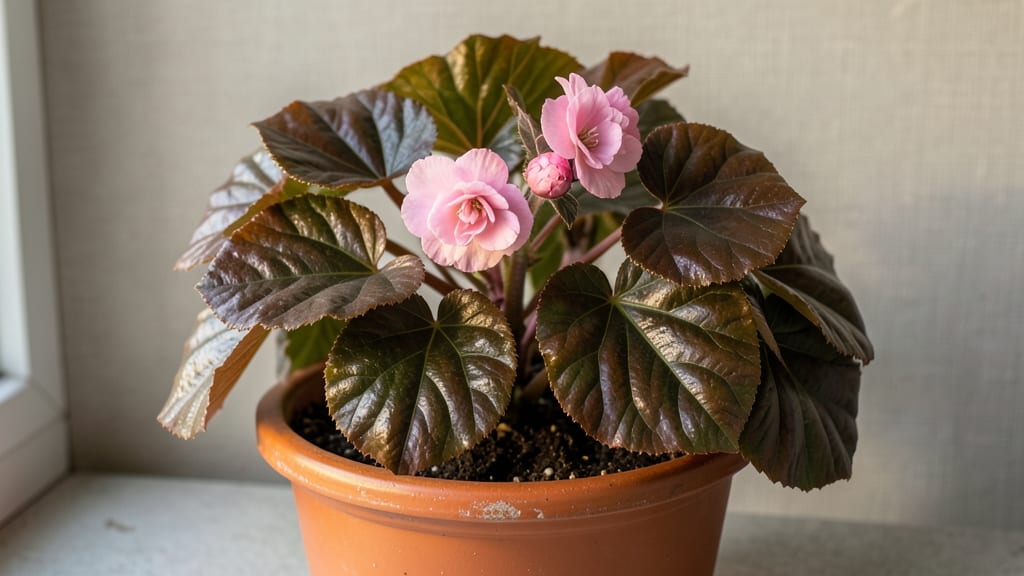
Your wax begonia 'Bronze Leaf' could be back to its stunning copper glory in just 72 hours—if you act fast on those fungal spots. 🌿 The secret isn’t harsh chemicals but a simple copper spray that restores its signature velvety bronze foliage without harming the plant.
I’ve used this method to revive multiple begonia collections after humid summer slumps, and the results are nothing short of dramatic. The key is catching issues early: bright, indirect light keeps leaves vibrant, while well-draining soil prevents root rot.
Overwatering is the silent killer—let the top inch dry between waterings, and always use room-temperature water. Prune leggy stems in early spring to encourage bushier growth, and pinch back flower spikes to redirect energy into those show-stopping leaves.
Once you’ve got the basics down, you’ll notice the deep bronze hues intensify with proper care, especially in morning sunlight. Pair it with impatiens or ferns for a lush, shade-loving container combo that thrives in humidity.
The copper spray isn’t just a fix—it’s a preventive step that keeps fungal spots from returning. For beginners, start with one plant and master the routine before expanding. The payoff? Year-round color that outshines any seasonal bedding plant. Let’s get those leaves gleaming again!
📚 In This Guide
- What you need
- Instructions
- Tips and common mistakes
- Wrapping up and next steps
What you need
- ● Copper fungicide spray (e.g., Copper Sulfate or Copper Hydroxide): 1–2 tablespoons per gallon of water. Look for a label-approved concentration for ornamental plants (e.g., 0.5–1.0% copper).
- ● Water: 1 gallon (use rainwater or distilled water if possible to avoid chlorine/fluoride buildup).
- ● Spray bottle or garden sprayer: 1–2 (a 1-gallon pump sprayer works best for larger plants).
- ● Pruning shears or scissors: 1 pair (sterilized with rubbing alcohol to prevent cross-contamination).
- ● Plastic gloves: 1 pair (copper can irritate skin—opt for nitrile for chemical resistance).
- ● Newspaper or drop cloth: 1–2 sheets (to protect surfaces from copper residue).
- ● Neem oil: 1 teaspoon per gallon (mix with copper spray for extra antifungal + pest-deterrent power).
- ● Baking soda solution: 1 teaspoon baking soda + 1 drop dish soap per quart of water (use after copper treatment for mild spot cleanup).
- ● Hair dryer (cool setting): 1 (to speed up drying and prevent moisture traps).
- ● Plant food (balanced fertilizer, e.g., 10-10-10): 1 application post-treatment (to boost recovery).
Step-by-step guide to reviving wax begonia bronze leaf with copper spray
Here's how I restore lush, vibrant foliage to struggling wax begonias in just three days.
🌿 Step 1: Assess and Prepare the Plant
Examine your wax begonia for fungal spot symptoms—look for brown or black spots with yellow halos on the bronze leaves. Remove any severely infected leaves by pinching them at the base with clean fingers. This prevents the fungus from spreading further through the plant's system. I always work in the morning when the foliage is dry, as moisture encourages fungal growth.
Trim back any leggy or overcrowded stems to improve air circulation. You'll notice healthier growth patterns once the plant has better airflow. Use sterilized pruning shears (wipe with rubbing alcohol) to make clean cuts just above a leaf node. This ensures the plant can redirect its energy toward new, healthy growth rather than struggling with infected tissue.
💧 Step 2: Apply Copper Spray Solution
Mix a copper fungicide solution according to package instructions—typically 1 tablespoon per gallon of water. I use a 1% copper sulfate formula for its broad-spectrum antifungal properties. Stir well to ensure the copper is fully dissolved before applying. The solution should be a uniform blue-green color without sediment.
Spray the undersides of leaves first, as fungal spores often accumulate there. Hold the spray bottle 6-8 inches away to avoid damaging the delicate foliage. Apply until the leaves glisten with moisture, but avoid oversaturating the soil. Reapply the copper spray every 48 hours for three days to create a protective barrier against fungal spores. This consistent treatment is key to eradicating the infection.
☀️ Step 3: Optimize Growing Conditions
Move your wax begonia to a location with bright, indirect light—direct sunlight can stress the plant further while it recovers. A north or east-facing window is ideal. If your home lacks natural light, supplement with a grow light positioned 12-18 inches above the plant for 12-14 hours daily. You'll see new growth emerge within 5-7 days if the light conditions are right.
Water the plant from the bottom by placing the pot in a tray of water for 15-20 minutes to allow the roots to absorb moisture evenly. Avoid overhead watering, which can reintroduce fungal spores. Let the top ½ inch of soil dry out between waterings to prevent soggy conditions that encourage fungal regrowth. This method ensures the roots stay hydrated without promoting further infection.
✂️ Step 4: Monitor and Maintain Recovery
After the three-day copper spray treatment, continue inspecting the plant daily for new signs of infection. Remove any leaves that develop fresh spots immediately—this proactive approach prevents the fungus from establishing a foothold again. Healthy new growth should appear within 7-10 days, characterized by vibrant bronze leaves and sturdy stems.
Once the plant shows signs of recovery, resume regular care: water when the top inch of soil feels dry, and fertilize lightly with a balanced liquid fertilizer diluted to half strength every 4-6 weeks. Avoid over-fertilizing, as excess nutrients can stress the plant. With consistent care, your wax begonia should regain its full luster and thrive for the season.
Tips & tricks for reviving wax begonia bronze leaves
Here’s how to maximize your plant’s recovery and avoid common setbacks during the 72-hour copper spray treatment.
Timing Secret: The 48-hour interval between copper sprays is non-negotiable—this creates a continuous protective barrier against fungal spores. I’ve found that applying the second and third sprays at the same time each day (like 9 AM and 9 PM) helps maintain consistency. If you miss a day, don’t double up; stick to the schedule to avoid overwhelming the plant.
Lighting Strategy: During the 12-14 hours of daily grow light exposure, position the light slightly lower (12 inches instead of 18) if your begonia isn’t showing new growth after 5 days. The closer distance increases light intensity without scorching the leaves. I also rotate the pot ¼ turn daily to ensure even light exposure—this prevents lopsided growth as the plant recovers.
Watering Wisdom: When using the bottom-watering method for 15-20 minutes, check the pot’s weight afterward. If it feels unusually light, the roots may not have absorbed enough moisture. For the first 72 hours of treatment, reduce the watering time to 10-15 minutes to prevent overhydration, which can stress the plant while it fights the fungus.
Pruning Precision: In Step 1, when trimming leggy stems, make cuts just above a leaf node at a 45-degree angle. This angled cut increases surface area for faster healing. I also sterilize my pruning shears between cuts with rubbing alcohol—this prevents cross-contamination if any spores linger on the blades.
Pro Tips for Wax Begonia Bronze Leaf
- Here’s how to maximize your plant’s recovery and avoid common setbacks during the 72-hour copper spray treatment.
- Timing Secret: The 48-hour interval between copper sprays is non-negotiable—this creates a continuous protective barr...
- Lighting Strategy: During the 12-14 hours of daily grow light exposure, position the light slightly lower (12 inches ...
Frequently asked questions
about treating Wax Begonia Bronze Leaf with copper spray for fungal spot eradication:How long does it take for copper spray to work on fungal spots?
The copper spray typically begins showing results within 24–72 hours for mild cases, but consistent application (every 7–10 days) is key for full eradication. Humidity and environmental conditions can speed up or slow down recovery. Monitor leaves for improvement and reapply if spots persist.
Is copper spray safe for wax begonias?
Yes, when used correctly, copper-based fungicides (like copper sulfate or oxychloride) are safe for wax begonias. Always follow label instructions, dilute properly, and avoid overspraying foliage. Test a small area first to rule out sensitivity. Pro tip: Apply in the early morning to prevent leaf burn from sunlight.
Can I use copper spray if it’s raining or humid?
Avoid spraying during rain or high humidity (above 75%)—copper can wash off or lose effectiveness. Wait for dry, calm conditions (early morning or late afternoon) to maximize adhesion. If rain is forecast, apply a protective fungicide like neem oil afterward to reinforce treatment.
What if fungal spots keep coming back after treatment?
Persistent spots may signal poor air circulation, overwatering, or resistant fungal strains. Improve airflow by spacing plants, reduce overhead watering, and rotate fungicides (e.g., switch to a biological option like Trichoderma or potassium bicarbonate). Sterilize pruners and pots to prevent reinfection.
Are there natural alternatives to copper spray for wax begonias?
Yes! Try these DIY remedies:
- Baking soda spray: Mix 1 tsp baking soda + 1 tbsp oil + 1 gallon water + a drop of dish soap. Spray weekly.
- Neem oil: 1 tbsp neem oil + 1 quart water + surfactant. Apply every 10–14 days.
- Hydrogen peroxide (3%): Dilute 1:1 with water and spray (test leaves first).
For severe cases, combine natural sprays with copper for faster results.
Wrapping up and next steps
Transforming your wax begonia bronze leaf back to vibrant health is simpler than you think! With the right copper spray solution and a little patience, you can effectively banish fungal spots in just 72 hours. Remember, consistency and proper care are key—monitor your plants and repeat treatments if needed.
Ready to give your begonia the fresh start it deserves? Grab your supplies, follow the steps, and watch your plant thrive! 🌿✨ Start your fungal spot-free garden today!