
Pruning
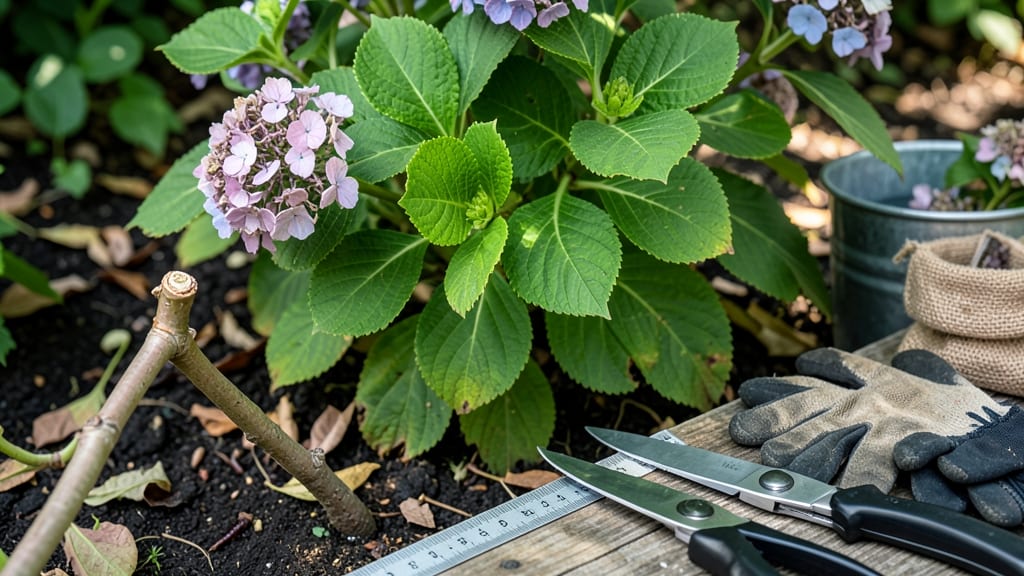
Cutting back bigleaf hydrangeas at the right time ensures vibrant blooms next season—late winter is the sweet spot, but timing it wrong can mean sacrificing flowers.
Picture this: You’ve just pruned your 🌸 bigleaf hydrangea in early spring, only to realize you’ve accidentally trimmed off next year’s flower buds. That’s the kind of mistake that turns a gardening triumph into a lesson in patience—and frustration.
Late-winter pruning, ideally between January and March, is all about catching your hydrangea while it’s still dormant but before new growth starts. This window gives you the best chance to shape the plant without risking damage to those precious buds.
In this guide, I’ll walk you through the exact cues to look for—like dormant stems and bud formation—and how to prune for maximum blooms, so you can avoid common pitfalls and enjoy a garden bursting with color.
The best late-winter timeline for cutting back big leaf hydrangeas
Late-winter pruning is the secret weapon for big leaf hydrangeas that bloom their best. If you prune too early, you risk cutting off next year’s flower buds—which form on old wood in late summer.
But wait too long, and your plant becomes unruly. The key is knowing exact timing based on your USDA zone and dormancy cues.
Big leaf hydrangeas (Hydrangea macrophylla) thrive when pruned after the worst cold snaps but before new growth starts. This usually falls between late January and early March, depending on your region.
In warmer zones (7-9), you might prune as early as January, while colder zones (3-6) should wait until March to avoid frost damage.
Here’s your month-by-month guide to pruning big leaf hydrangeas for maximum blooms and healthier stems. Use this as your roadmap to avoid common mistakes that lead to sparse flowers or stunted growth.
In Zone 3-6, February is often the sweet spot for pruning. Look for no green tips on stems—this means the plant is still dormant. If you see bud swell (tiny bumps where flowers will form), you’ve waited too long.
In warmer zones (7-9), you can prune as early as January, but always confirm there’s no frost in the forecast.
One critical mistake is pruning too aggressively in late winter. Big leaf hydrangeas only bloom on old wood, so cutting back more than 1/3 of the plant risks removing next year’s flowers.
Aim to shape the shrub rather than reduce size drastically. Use clean, sharp pruners to make cuts just above a leaf node or bud.
After pruning, mulch around the base with 2-3 inches of organic mulch (like shredded bark) to protect roots from temperature swings. This also helps retain moisture as new growth begins. Avoid heavy fertilizing right after pruning—wait until early spring when you see new shoots emerging.
If you miss the late-winter window, don’t panic. You can still prune after blooms fade (late summer), but you’ll sacrifice next year’s flowers. The trade-off is better air circulation and healthier foliage for this year.
Just note that post-bloom pruning means waiting until after flowers die back in September or October.
For container-grown big leaf hydrangeas, prune 1-2 weeks earlier than in-ground plants since they warm up faster. Also, reduce watering slightly after pruning to encourage root strengthening before new growth takes off. Containers dry out faster, so monitor soil moisture closely in late winter.
Remember: Patience is key. Rushing to prune in early winter can stunt growth, while waiting too long can lead to overcrowded stems. Stick to your zone’s timeline, and your big leaf hydrangea will reward you with lush blooms all summer long. 🌸
How to prune big leaf hydrangeas for maximum blooms: step-by-step
Pruning your big leaf hydrangeas correctly is the key to bigger, healthier blooms next season. These beauties flower on old wood, meaning their buds form on last year’s growth—so cutting too late or too aggressively can mean fewer flowers in summer.
The goal? Shape the plant while preserving next year’s flower buds hidden in the stems.
Start by gathering your tools: sharp bypass pruners, gloves, and disinfectant to prevent disease spread. You’ll also want a measuring tape or ruler to ensure clean cuts at the right spots.
Work on a dry, frost-free day in late winter (February or early March) when the plant is still dormant but before new growth begins.
- 1 Remove dead/diseased wood: Snip away any brown, mushy, or hollow stems at the base. These won’t regrow and can harbor pests.
- 2 Cut back last year’s stems: Trim 1/3 of the oldest stems to the ground. Choose the thickest, woodiest stems first—they’ve already bloomed and won’t produce flowers again.
- 3 Shape the shrub: Thin out crossing or rubbing branches to improve airflow. Aim for an open, vase-like shape with the youngest stems in the center.
- 4 Leave flower buds intact: Never cut green buds (they’re next year’s blooms!). Look for swollen buds near the stem ends—these are safe to keep.
- 5 Clean up cuts: Make cuts at a 45-degree angle, 1/4 inch above a bud or branch. Sterilize tools between cuts with rubbing alcohol to prevent disease.
After pruning, apply a 2-inch layer of mulch around the base to retain moisture and regulate soil temperature. Avoid piling mulch against the stem to prevent rot.
In USDA zones 5-7, wait until after the last frost (usually mid-April) to fertilize with a balanced 10-10-10 formula to encourage new growth.
Avoid these common mistakes: Pruning in fall or early spring removes next year’s buds, and cutting new green growth in late winter stunts the plant. Also, never leave stubs—always cut just above a bud or branch collar.
With the right technique, your hydrangea will reward you with showstopping blooms all summer long!
🌸