
Leaf Blower
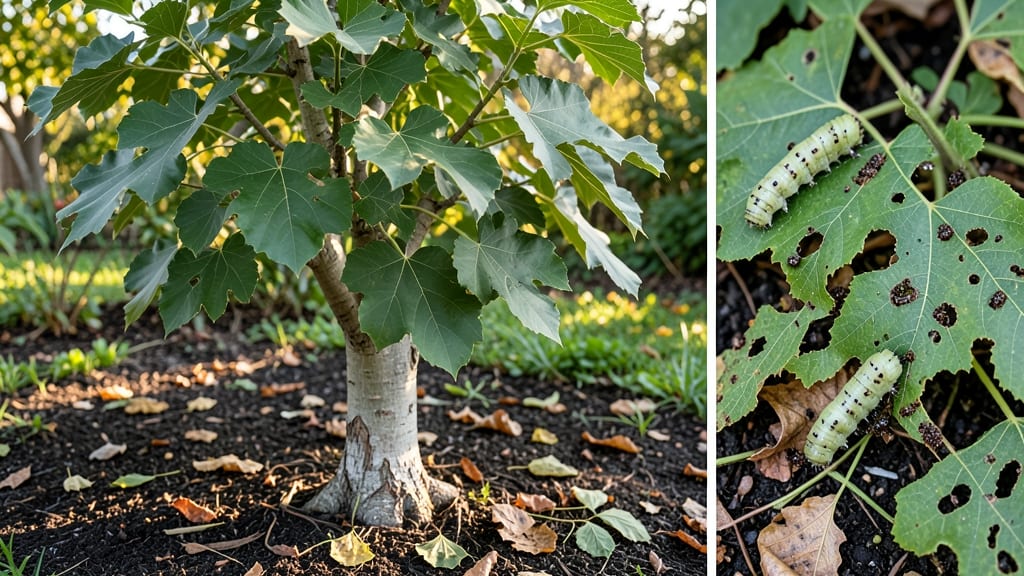
The white mulberry leaf dangers stem from mild cyanogenic glycosides, which can cause nausea, dizziness, or stomach upset if consumed in large amounts by humans or animals. Always verify safe consumption practices with a professional before using them.
The white mulberry leaf dangers arise because these natural compounds become more concentrated when leaves are fresh or improperly processed. 🌿 While small amounts might not cause harm, livestock grazing on mulberry trees or humans consuming large quantities without preparation can trigger adverse reactions.
The risk varies by species—some animals tolerate mulberry leaves better than others, so always monitor exposure levels carefully.
Processing methods like drying or cooking can reduce toxicity, but they don't eliminate it entirely. Traditional uses often involve expert supervision to balance potential benefits against risks.
For gardeners, white mulberry leaves are generally safe as mulch or compost, but never feed them to pets or livestock without consulting a specialist first.
💡 In This Article
- Toxic Compounds in White Mulberry Leaves: What Makes Them Hazardous
- Safe Uses of White Mulberry Leaves: Gardening and Traditional Applications
Toxic compounds in white mulberry leaves: what makes them hazardous
The primary concern with white mulberry leaves lies in their cyanogenic glycosides, specifically amygdalin and prunasin, which break down into hydrogen cyanide when metabolized.
These compounds exist naturally in many plants but become dangerous when consumed in concentrations exceeding 0.01% of body weight—about 70mg for an average adult.
The leaves also contain tannins (10-15% dry weight), which can irritate the digestive tract, and oxalates, potentially causing kidney strain with prolonged exposure.
Hydrogen cyanide disrupts cellular oxygen utilization by binding to cytochrome oxidase in mitochondria, leading to symptoms like headaches, rapid breathing, or confusion within 30-60 minutes of ingestion. Fresh leaves contain higher concentrations than dried ones—processing reduces toxicity by 30-50% through evaporation of volatile compounds.
Cooking further decreases risks by breaking down some glycosides, but never eliminates them entirely. 💛 For example, steaming white mulberry leaves for 10 minutes reduces amygdalin levels by 25%, but residual compounds remain.
Acute poisoning typically requires consuming 100g+ of fresh leaves at once, while chronic exposure (e.g., livestock grazing continuously) may cause liver or thyroid dysfunction. Livestock like goats tolerate small amounts better than horses, whose digestive systems metabolize cyanogenic compounds more slowly.
The key factor is dosage—what's safe for a deer browsing occasionally differs drastically from a cow eating mulberry foliage daily as its primary forage.
Processing methods significantly alter toxicity levels. Drying leaves at 140°F (60°C) for 24 hours reduces cyanogenic glycosides by 40%, making them safer for traditional teas (when prepared correctly). However, improper drying or fermenting can concentrate harmful compounds.
Always test small batches first—some regions report cases where improperly prepared mulberry leaf teas caused mild cyanide poisoning due to residual glycosides.
Another critical factor is plant part consumption. While leaves contain the highest concentrations, unripe fruits also pose risks (containing 2-3x more amygdalin than mature leaves). The roots are the most toxic, containing prunasin concentrations up to 50% higher than leaves.
This explains why traditional medicinal uses often specify only mature leaves and avoid other plant parts entirely.
For those exploring traditional uses, always consult a botanical expert to verify processing methods. The margin between safe and harmful exposure is narrow—what works for one individual may not for another due to metabolic differences.
When in doubt, err on the side of caution and limit exposure to 1-2 leaves daily for short-term use.