
Planting
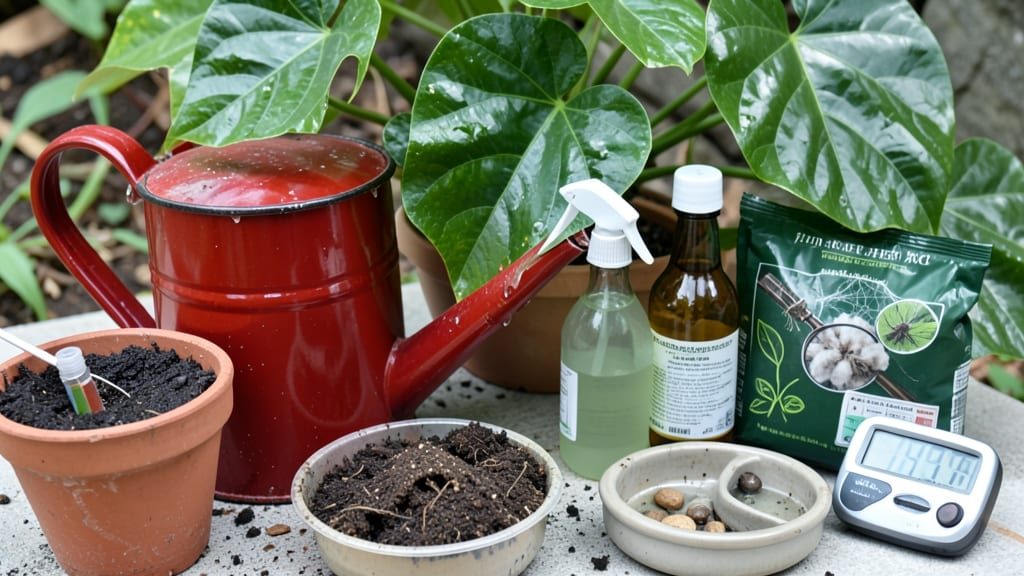
Your betel leaf plant is sending SOS signals—why my betel leaf plant is dying—with yellowing leaves, wilting stems, or sticky residue that looks like spider mites. 🌿 I’ve nursed back more than my share of struggling Piper betle, and the good news is most issues fix with simple adjustments.
The key is identifying the exact stressor: too much water drowning roots, pests sucking life from leaves, or nutrient starvation from poor soil.
Start by checking the soil—it should feel damp but not soggy when you poke a finger an inch deep. Yellow leaves with brown edges? Likely underwatering or salt buildup. Sticky leaves or tiny webs? Spider mites are feasting.
And if your plant looks leggy and weak, it’s begging for more light or fertilizer. Each problem has a targeted fix, and I’ll walk you through the exact steps to revive it.
Within 7-10 days of correcting the issue, you’ll see new growth—dark green, glossy leaves that prove your betel plant isn’t beyond saving. The secret is acting fast: prune damaged foliage, adjust watering, and introduce neem oil if pests are the culprit.
Your plant will bounce back stronger than ever, ready to produce those fragrant, edible leaves you love.
Once you’ve pinpointed the problem, prevention is easy: monitor soil moisture weekly, wipe leaves with damp cloths, and rotate the pot for even light exposure. Betel plants thrive with moderate humidity and indirect sunlight—give them that, and they’ll reward you with lush, healthy growth for years.
Let’s get your plant back on track!
Root Causes Of Struggling Betel Leaf
If your betel leaf plant (Piper betle) is wilting, yellowing, or dropping leaves, the issue likely stems from one (or more) of these common but fixable factors. Betel leaf plants are tropical perennials that thrive in warm, humid conditions with specific care needs.
When these needs aren’t met, the plant sends distress signals—often too late for some gardeners. Below, we break down the real culprits behind your plant’s decline, backed by science and actionable fixes.
Betel leaf plants are not drought-tolerant, but they hate soggy roots. Overwatering or compacted, waterlogged soil leads to:
- Root rot (caused by Phytophthora or Pythium fungi): Roots turn mushy, black, or smell foul.
- Nutrient leaching: Excess water flushes away essential minerals like potassium and magnesium.
- Oxygen deprivation: Roots suffocate in anaerobic conditions, stunting growth.
Why it happens: Betel leaves prefer well-draining soil with a pH of 5.5–6.5. If your pot lacks drainage holes or the soil is heavy clay, water pools at the roots. Even "light" watering can be deadly if the plant isn’t in the right medium.
Actionable fix:
- Repot in a mix of 60% coco coir, 20% perlite, and 20% compost.
- Water only when the top 1–2 inches of soil are dry (stick your finger in to check!).
- Ensure pots have drainage holes and elevate them on saucers to prevent waterlogging.
Betel leaf plants are shade-loving but not deep-shade plants. They need bright, indirect light (like a dappled forest floor) to photosynthesize efficiently. Too little light? Leggy, weak growth. Too much? Sunburn and crispy edges.
Why it happens:
- Low light → Chlorosis (yellow leaves) due to poor chlorophyll production.
- Direct sun → Photodamage: Cell membranes break down, causing brown, papery patches.
Actionable fix:
- Place your plant 3–6 feet from an east- or north-facing window (avoid harsh afternoon sun).
- Use a sheer curtain to diffuse light if needed.
- Supplement with a grow light (12–14 hours/day) if indoors lacks natural light.
Betel leaf plants are tropical natives—they cannot handle cold drafts, dry air, or sudden temperature swings. Here’s what happens when conditions are off:
| Problem | Symptoms | Cause |
|---|---|---|
| Cold shock (<60°F / 15°C) | Brown, frozen leaf edges; stunted growth | Betel leaves cannot photosynthesize below 60°F—enzyme activity stops. |
| Low humidity (<50%) | Curling, crispy leaves; spider mites | Transpiration exceeds moisture intake → osmotic stress. |
| Drafts (AC vents, open windows) | Yellowing leaves; abscission (dropping) | Sudden temperature drops disrupt stomatal function. |
Actionable fix:
- Keep temps between 70–85°F (21–29°C)—never below 60°F.
- Use a humidifier or place the pot on a pebble tray with water.
- Avoid placing near AC units, heaters, or drafty windows.
Betel leaf plants are heavy feeders but sensitive to salt buildup. Poor soil or incorrect fertilizing leads to:
- Nitrogen deficiency → Pale, yellow leaves (oldest first).
- Potassium/magnesium deficiency → Brown scorch marks between leaf veins.
- Salt burn (from over-fertilizing) → Crispy leaf edges, white crust on soil.
Why it happens: Betel leaves prefer rich, slightly acidic soil (pH 5.5–6.5). If your soil is depleted or alkaline, the plant cannot absorb nutrients efficiently. Over-fertilizing with synthetic mixes (high in sodium) also burns roots.
Actionable fix:
- Test soil pH with a digital meter—adjust with sulfur (to lower pH) or lime (to raise).
- Fertilize with a balanced liquid fertilizer (10-10-10) every 4–6 weeks in growing season.
- Avoid slow-release granules—they can cause salt buildup.
Betel leaf plants are magnets for pests when stressed. Common invaders include:
- Spider mites (tiny red dots on undersides of leaves) → Pierce cells, causing stippling.
- Mealybugs (white cottony masses) → Suck sap, spreading sooty mold.
- Root-knot nematodes (microscopic worms) → Gall-like root deformities, stunting growth.
- Fungal leaf spot (Alternaria or Cercospora) → Black/yellow spots with yellow halos.
Why it happens: Pests thrive in dry, dusty conditions (low humidity). Fungal diseases spread when leaves stay wet for >24 hours (poor air circulation).
Actionable fix:
- Isolate the plant and inspect undersides of leaves with a magnifying glass.
- Spray with neem oil
Quick Fixes for a Reviving Betel Leaf Plant
Your betel leaf plant might be struggling, but with the right care, it can bounce back to health! Below are practical, step-by-step solutions tailored to the most common causes of decline. Follow these fixes, and your plant will thank you with lush, vibrant leaves in no time.
---
Signs: Yellowing leaves, mushy stems, or crispy, brown edges.
#### 🔥 Fix Root Rot (Overwatering) 1. Stop Watering Immediately – Let the soil dry out completely before watering again. 2. Check the Roots – Gently remove the plant from its pot and inspect the roots.
Healthy roots are firm and white; rotten roots are dark, mushy, and smell foul. 3. Trim the Damage – Use sterilized scissors to cut off any black or squishy roots.
4. Repot in Fresh Soil – Choose a well-draining potting mix (add perlite or coconut coir for aeration) and a pot with drainage holes. 5. Water Lightly – Only water when the top 2 inches of soil are dry.
✨ Prevention Tip: Use a moisture meter or the finger test—stick your finger 1-2 inches into the soil before watering.
#### 🍳 Fix Drought Stress (Underwatering) 1. Water Deeply – Soak the soil until water drains from the bottom of the pot. 2. Mist the Leaves – Betel leaf plants love humidity! Use a spray bottle to mist leaves 2-3 times a week.
3. Move to a Humid Spot – Place the pot on a pebble tray with water or near a humidifier. 4. Adjust Watering Schedule – Water every 5-7 days (adjust based on climate—more in heat, less in cool weather).
💡 Pro Tip: If the soil is bone-dry, soak the pot in water for 10-15 minutes to rehydrate the roots gently.
---
Signs: Stunted growth, pale or dark leaves, or leggy stems.
#### 👨🍳 Fix Too Much Sun (Sunburn) 1. Move to Indirect Light – Place the plant 3-6 feet from a east or north-facing window. 2. Use Sheer Curtains – If in direct sunlight, filter light with light-colored curtains.
3. Gradually Acclimate – If moving from shade to brighter light, do it slowly over 1-2 weeks to avoid shock.
#### 🥘 Fix Too Little Light (Leggy Growth) 1. Supplement with Grow Lights – Use a full-spectrum LED grow light for 12-14 hours daily. 2. Rotate the Pot Weekly – Turn the plant 180 degrees so all sides get even light.
3. Choose a Sunnier Spot – A south-facing window (with indirect light) or a bright indoor space works best.
🌡️ Ideal Light: Bright, indirect sunlight (like dappled shade outdoors). Avoid harsh midday sun.
---
Signs: Yellow leaves, slow growth, or weak stems.
#### 🔪 Fix Nutrient Deficiency 1. Repot in Fresh Soil – Use a well-draining, slightly acidic mix (pH 5.5-6.5). A peat-based or coconut coir mix works well. 2. Fertilize Lightly – Use a balanced liquid fertilizer (10-10-10) diluted to half strength every 4-6 weeks during growing season (spring/summer).
3. Avoid Over-Fertilizing – Too much fertilizer burns roots! Flush the soil with water every 2 months to remove excess salts.
📊 Best Fertilizer Options: | Issue | Solution | |---------------------|---------------------------------------| | Yellow leaves | Iron chelate or Epsom salt (1 tsp/gallon) | | Slow growth | Balanced fertilizer (fish emulsion) | | Brown leaf tips | Reduce fertilizer, increase humidity |
✨ Prevention Tip: Test your soil every few months with a DIY pH kit to ensure it’s not too alkaline.
---
Signs: Sticky residue, holes in leaves, white webbing, or black spots.
#### 🐜 Treat Common Pests | Pest | Fix | |----------------|------------------------------------------------------------------------| | Aphids | Spray with soapy water (1 tsp mild soap + 1 quart water) or neem oil. | | Spider Mites | Wipe leaves with rubbing alcohol (70% isopropyl) or spray with water to increase humidity. | | Mealybugs | Scrape off with a cotton swab dipped in alcohol, then treat with neem oil. | | Fungus Gnats | Let soil dry between waterings; use yellow sticky traps for adults. |
#### 🍄 Fix Fungal Issues (Black Spots, Powdery Mildew) 1. Remove Infected Leaves – Cut off yellow or spotted leaves with sterilized scissors. 2. Improve Airflow – Space plants 3-4 inches apart and avoid overcrowding.
3. Spray Fungicide – Use copper fungicide or a baking soda spray (1 tsp baking soda + 1 quart water + few drops of soap). 4. Avoid Overwatering – Water only at the base, never overhead.
🎯 Prevention Tip: Quarantine new plants for 2 weeks before introducing them to your collection to prevent pest spread.
---
If your betel leaf plant is severely damaged, don’t panic—pruning can help it recover! 1. Trim Dead Leaves – Cut off yellow, brown, or crispy leaves with clean scissors. 2. Encourage New Growth – Prune overly long stems to encourage bushier growth.
3. Boost Humidity – Place the pot on a humidity tray or group it with other plants. 4. Be Patient – Healthy new leaves should appear in 2-4 weeks with proper care.
💡 Bonus Tip: If the entire plant is dying, try propagating healthy cuttings in water or moist soil to grow a new plant!
Your betel leaf plant can recover—just adjust one thing at a time! Start with the most obvious issue (like water or light), then move to soil and pests. With consistent care, your plant will thrive again in no time. 🌿✨
Frequently asked questions about your dying betel leaf plant
1Why are my betel leaf plant's leaves turning yellow?
Yellow leaves usually signal overwatering or nutrient deficiency. Check soil moisture first—if it's soggy, stop watering immediately and let it dry out. Yellowing with brown edges? Likely salt buildup from over-fertilizing. For a quick fix, flush the soil with water and repot using a well-draining mix (60% coco coir, 20% perlite, 20% compost).
2What do brown, crispy edges on betel leaves mean?
This is almost always low humidity or underwatering. Betel plants thrive in 70-80% humidity—place the pot on a pebble tray with water or use a humidifier. If the soil is bone-dry, soak the pot for 10-15 minutes to revive roots. For prevention, mist leaves 2-3 times weekly and avoid placing near AC vents.
3How do I know if my betel leaf plant has root rot?
Gently remove the plant and check roots—healthy ones are firm and white, while rotten roots are black, mushy, and foul-smelling. If infected, trim all damaged roots with sterilized scissors, repot in fresh well-draining soil, and water only when top 2 inches are dry. Add 1 part perlite to your potting mix to prevent future issues.
4Why is my betel leaf plant growing leggy and weak?
Leggy growth means insufficient light. Move your plant to bright, indirect sunlight (3-6 feet from an east/north window). If indoors lacks natural light, supplement with a grow light for 12-14 hours daily. Rotate the pot weekly to ensure even light exposure. Avoid south-facing windows—direct sun causes sunburn (brown patches).
5Can I save a betel leaf plant with black spots or holes?
Black spots often indicate fungal disease (like Alternaria) or pest damage. Prune infected leaves immediately with sterilized scissors, then treat with copper fungicide or a baking soda spray (1 tsp baking soda + 1 quart water). For pests like spider mites, wipe leaves with 70% rubbing alcohol or spray with neem oil. Improve airflow by spacing plants 3-4 inches apart.