
Pests and Diseases
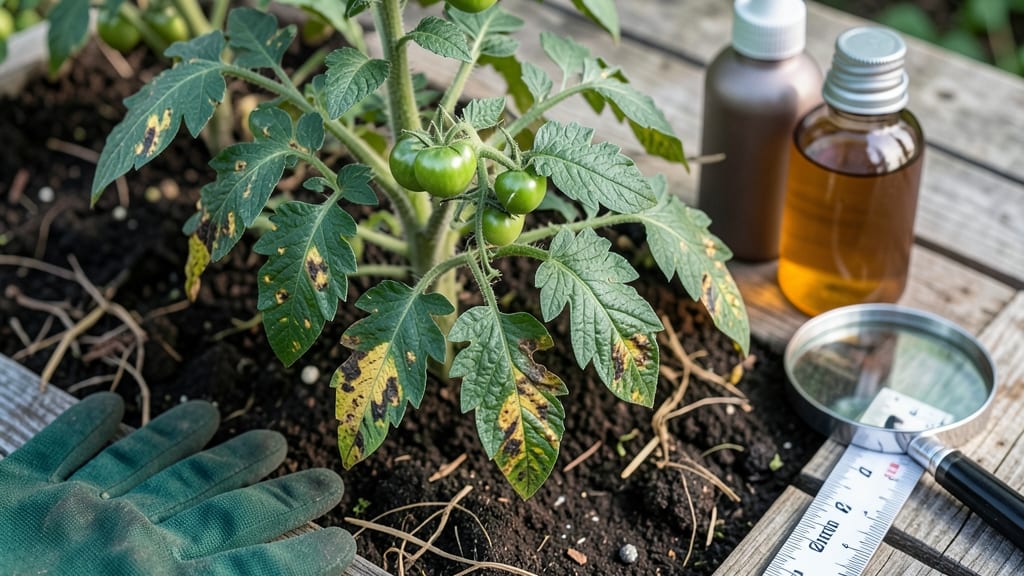
Angular leaf spot turns your cucumbers and beans into a sad, spotted mess—unless you act fast. 🌱 I’ve seen this fungal infection ruin entire harvests in just weeks, but the right mix of preventative fungicide and smart gardening keeps plants thriving.
The key is stopping it before those telltale angular brown spots appear, because once they do, the damage is already done.
This isn’t about spraying chemicals blindly—it’s about targeted prevention. Start with copper-based fungicides (like copper sulfate or copper fungicide sprays) applied every 7–10 days during wet seasons. Pair that with proper spacing between plants to improve airflow, and sanitize tools after each use to avoid spreading spores.
Even organic gardeners swear by neem oil mixed with baking soda for a gentle but effective barrier.
Within 2–3 weeks of consistent treatment, you’ll notice fewer spots and stronger growth. The plants stay productive, leaves stay lush, and you avoid the heartbreak of a ruined crop. The best part? This mix works for cucumbers, beans, peppers, and even tomatoes—so you’re covered for your whole garden.
Here’s the game-changer: prevention is easier than cure. Once angular leaf spot takes hold, even fungicides struggle to fully reverse the damage. That’s why I focus on weekly checks, removing infected leaves immediately, and keeping the garden dry.
Trust me—your future self will thank you when harvest time rolls around.
Root Causes Behind Fungal Spread
Angular leaf spot—often caused by pathogens like Pseudomonas syringae or Xanthomonas—isn’t just a random foliar issue. It thrives due to a mix of environmental and plant-stress factors. Understanding these triggers helps gardeners and farmers take targeted action to stop outbreaks before they start. Here’s why this disease takes hold:
The fungus behind angular leaf spot relies on water to spread. Unlike many fungal diseases that need prolonged leaf wetness, angular leaf spot can develop after just short, frequent rain showers or overhead irrigation. Here’s how moisture fuels the problem:
- Humid Conditions: High humidity (above 70%) creates a perfect breeding ground for bacterial spores. The pathogen thrives in stagnant, damp air, especially in dense foliage where airflow is restricted.
- Splashing Water: Raindrops or sprinklers splash bacteria from infected leaves onto healthy ones, accelerating spread. This is why overhead watering is a major risk factor.
- Poor Soil Drainage: Waterlogged soil weakens plants, making them more susceptible to infection. Roots struggle to absorb nutrients, leaving leaves vulnerable to bacterial attack.
Actionable Fix: Improve drainage with raised beds or sand amendments, and water at the base of plants (drip irrigation or soaker hoses) to avoid wetting foliage.
Angular leaf spot peaks in warm, wet seasons—typically spring and fall—when temperatures hover between 60°F and 80°F (15°C–27°C). Here’s how climate plays a role:
| Factor | How It Helps the Disease |
|---|---|
| Moderate Warmth | Bacteria multiply rapidly in this range, while plant defenses slow down. |
| Cool Nights | Temperature swings stress plants, weakening cell walls and making them easier targets. |
| High Humidity | Slows evaporation, keeping leaves damp longer and extending bacterial survival. |
Actionable Fix: Monitor weather forecasts and prune for airflow during high-risk periods. Avoid planting susceptible crops (like beans or tomatoes) in overly humid microclimates.
Weakened plants are low-hanging fruit for angular leaf spot. When nutrients are lacking, leaves become defenseless against bacterial invasion. Key deficiencies that increase risk:
- Nitrogen Deficiency: Yellowing leaves (chlorosis) signal weak cell walls, making them easier for bacteria to penetrate.
- Calcium or Potassium Shortages: These minerals strengthen cell membranes. Without them, leaves crack or split—ideal entry points for pathogens.
- Over-Fertilization: Too much salt or synthetic fertilizers can burn roots, stressing the plant and reducing resistance.
Actionable Fix: Conduct a soil test and amend with compost or balanced fertilizers (e.g., 10-10-10). Focus on calcium-rich amendments like crushed eggshells or lime.
Dense plantings and physical damage create perfect conditions for angular leaf spot to take root:
- Poor Air Circulation: Tightly packed leaves trap moisture, giving bacteria a 24/7 damp environment to thrive.
- Mechanical Injury: Wind, hail, or even rough handling during harvest can create wounds where bacteria enter.
- Old or Diseased Leaves: Dead leaves act as spore reservoirs, continuously reinfecting healthy tissue.
Actionable Fix: Space plants 3–4 feet apart (depending on variety) and prune regularly to remove crowded or yellowing leaves. Use row covers to protect from wind damage.
Bacteria can linger on tools, mulch, and soil for months, waiting for the right opportunity to infect. Common sources:
- Reused Pruners: Cutting infected plants spreads bacteria to healthy ones. Even a tiny smear can contaminate a new cut.
- Infested Mulch/Compost: Organic matter from previously infected plants may still harbor dormant spores.
- Water Sources: Recycled rainwater or pond water can carry bacteria if the source was previously contaminated.
Actionable Fix: Sanitize tools with 70% rubbing alcohol or bleach solution (1 part bleach to 9 parts water) between uses. Replace mulch in heavily infected beds with fresh, sterilized material.
Fixing Fungal Foliage Foes
Angular leaf spot may feel like a losing battle, but with the right strategies, you can reclaim your plants’ health and prevent future outbreaks. Below, we’ve mapped practical solutions to the most common causes—from environmental fixes to targeted treatments—so you can act fast and keep your garden thriving.
Overwatering or poor drainage creates the perfect breeding ground for fungal spores. Here’s how to dry things out:
- 🔥 Adjust Your Watering Routine Water plants early in the day (before 10 AM) to allow foliage to dry quickly. Avoid overhead sprinkling—use drip irrigation or soaker hoses to deliver moisture at the roots.
- 👨🍳 Improve Soil Drainage Amend heavy or compacted soil with perlite, sand, or compost to help water drain faster. For container plants, ensure pots have drainage holes and elevate them slightly.
- ⏰ Space Out Waterings Let the top 1–2 inches of soil dry out between waterings. Stick your finger in the soil—if it’s damp, wait a day or two.
💡 Pro Tip: Mulch around plants with straw or wood chips (but keep it 2–3 inches away from stems) to reduce soil splashing onto leaves.
Fungal spores love stagnant, humid air. Thin out dense plantings and prune strategically:
- 🔪 Prune for Circulation Remove overlapping leaves and dead/diseased foliage immediately. Use sterilized pruners (wipe with rubbing alcohol) to avoid spreading spores.
- 🌡️ Thin Out Plants If your garden is too crowded, space plants farther apart (follow spacing guidelines for each species). This lets air move freely and speeds up drying.
- ✨ Use a Fan (For Greenhouses/Indoors) A small oscillating fan on low setting can reduce humidity around susceptible plants like tomatoes, peppers, or cucumbers.
If you’ve spotted angular brown lesions with yellow halos, it’s time for targeted treatments:
🍳 Organic Fungicide Mix (Preventative & Curative)
Combine these in a 1-gallon sprayer for a multi-action fungicide blend:
| Ingredient | Amount | Why It Works |
|---|---|---|
| Neem oil | 1 tbsp | Disrupts fungal cell membranes |
| Baking soda | 1 tbsp + 1 tsp dish soap | Alkaline environment inhibits spores |
| Copper fungicide | 1 tbsp (optional) | Kills existing fungi (use sparingly) |
| Water | 1 gallon | Base for spray |
How to Apply:
- Shake well before spraying (neem oil separates).
- Coat undersides of leaves (where spores hide).
- Reapply every 7–10 days or after rain.
⚠️ Warning: Avoid copper fungicides on edible plants if harvesting within 2 weeks of application.
🌿 Natural Alternatives
- 🍋 Vinegar Spray (Early-Stage Only): Mix 1 tbsp apple cider vinegar + 1 tsp baking soda + 1 gallon water.
Spray only on leaves (not flowers/fruit) in the morning. Test on a small area first—vinegar can burn sensitive plants. - 🌱 Hydrogen Peroxide (3%): Dilute 1 tbsp 3% H₂O₂ per quart of water and spray. The oxygen bubbles smother spores without harming plants.
Once you’ve treated the issue, strengthen your plants’ defenses to avoid future outbreaks:
- 💪 Choose Resistant Varieties Some plants (like ‘Defiant PhR’ tomatoes or ‘Tyee’ cucumbers) are bred to resist angular leaf spot. Check seed catalogs for disease-resistant labels.
- 🍎 Boost Plant Health Fertilize with compost or balanced organic fertilizer (high in potassium) to promote thick, tough leaves that fungi struggle to penetrate. Avoid excess nitrogen—it leads to soft, susceptible growth.
- 🌱 Rotate Crops If you grow susceptible plants (tomatoes, peppers, cucumbers) in the same spot yearly, rotate families every 3 years to starve out fungal buildup in the soil.
- 🧼 Sanitize Tools & Beds Sterilize pruners between uses with bleach (1:9 ratio) or rubbing alcohol. Remove all plant debris at season’s end—burn or compost it separately (not in garden beds).
If angular leaf spot spreads rapidly (e.g., entire leaves yellow and drop), consider:
- 🍄 Professional fungicides like chlorothalonil (follow label rates).
- 🌱 Replacing heavily infected plants if they’re not a priority crop.
Remember: Consistency is key! Prevention (proper spacing, watering, and airflow) is easier than curing an outbreak. With these steps, your plants will bounce back—and stay spot-free for seasons to come. 🌿✨
Frequently asked questions
What plants are most affected by angular leaf spot?
This disease commonly targets cucurbits like cucumbers, melons, and squash, but also attacks beans, tomatoes, peppers, and eggplants. The angular brown spots with yellow halos are most noticeable on younger leaves, which can quickly spread to the entire plant if untreated.
How can I tell if my plant has angular leaf spot vs. another disease?
Look for the distinctive angular brown spots that follow leaf veins—this is the key difference from circular spots caused by other fungi. The spots often have yellow halos, and they appear on both upper and lower leaf surfaces, unlike powdery mildew which stays on top.
Will angular leaf spot kill my plants?
While it won't always kill plants outright, severe infections can reduce yields by 30-50% and weaken plants enough to make them vulnerable to other pests. Early treatment with copper fungicides or neem oil can prevent significant damage and keep your plants productive.
Can I save infected plants, or should I remove them?
For light infections, prune affected leaves immediately and treat with fungicide. But if more than 30% of leaves are infected, it's better to remove the plant entirely to prevent spread. Always sterilize your tools before and after pruning to avoid contamination.
How often should I apply preventative treatments?
Apply your fungicide mix every 7-10 days during wet seasons or whenever you water overhead. For organic sprays like neem oil, reapply after rain. Consistency is key—skipping treatments gives the bacteria a chance to establish and spread.