
Pests and Diseases
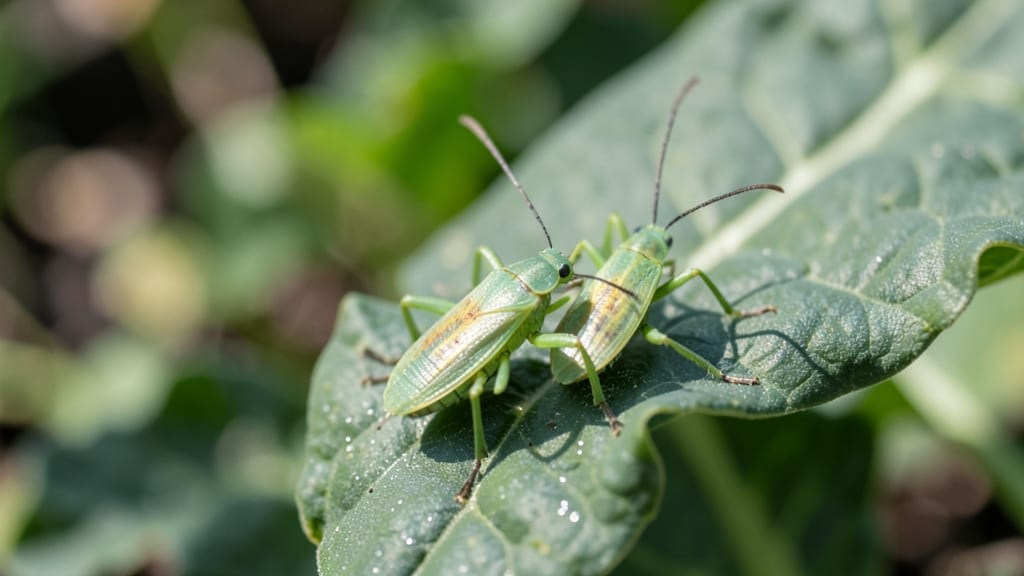
Are leaf bugs harmful? They aren't the garden villains you might fear—though they can turn your plants into a buffet. 🌿 I've watched leafhoppers, leaf miners, and their cousins transform lush foliage into skeleton leaves, but the good news?
Most damage is cosmetic unless you're growing high-value crops like tomatoes or peppers. These tiny pests thrive in hot, dry weather, making late summer their prime time to crash your party.
The real threat isn't the bugs themselves but what they bring to the table—literally. Leaf miners chew between leaf surfaces, creating winding tunnels that block sunlight, while leafhoppers spread plant diseases like aster yellows.
You'll spot them as tiny specks (1/8" or smaller) hopping away when you brush past plants, or as pale, blotchy patches where they've been feasting. My zucchini plants once looked like they'd been attacked by a swarm of tiny lawnmowers—until I learned to check the undersides of leaves.
Here's the game-changer: 90% of leaf bug problems solve themselves with the right approach. Start by blasting them off with a strong stream of water (yes, really—it works better than you'd think). For stubborn infestations, introduce beneficial insects like ladybugs or lacewings, or use insecticidal soap as a last resort.
The key is acting fast—once they're established, they multiply faster than weeds in a spring rain.
Prevention is where the real magic happens. Healthy plants resist pests better, so focus on consistent watering (leaf bugs love stressed plants) and removing debris where they hide.
If you're in the South or West, these bugs are annual visitors—plan your garden with their favorite hosts (like beans or grapes) in mind, and you'll keep the damage to a minimum. Think of them as nature's way of reminding you to stay on top of your garden game.
Underlying Causes Of Leaf Bug Infestations
Leaf bugs—such as aphids, lacewings, or leaf-footed plant bugs—don’t just appear out of nowhere. Their presence is usually a response to specific environmental or plant-related triggers. Understanding these causes helps you address the root problem and prevent future outbreaks. Here’s why these pests might be targeting your garden:
Healthy plants naturally repel many pests through chemical defenses, like bitter-tasting sap or strong-smelling oils. But when plants are stressed, these defenses weaken, making them prime targets for leaf bugs. Common stressors include:
- Overwatering or underwatering: Too much moisture creates fungal issues, while drought weakens roots. Both scenarios make plants vulnerable to pests.
- Poor soil nutrition: A lack of nitrogen, phosphorus, or micronutrients (like magnesium) stunts growth, leaving plants unable to fight off invaders.
- Disease or prior pest damage: If a plant has already been attacked by mites, fungi, or other bugs, it’s more likely to attract secondary pests like leaf bugs.
💡 Pro Tip: Conduct a soil test to check nutrient levels. Amend soil with compost or slow-release fertilizer to boost plant resilience.
When plants are too close together, airflow is restricted, and humidity rises—creating a cozy environment for pests. Leaf bugs thrive in these conditions because:
- Reduced sunlight exposure: Shady, damp areas (like under dense foliage) are ideal breeding grounds for bugs.
- Higher humidity levels: Moisture-laden air helps pests reproduce faster and evade natural predators.
- Competition for resources: Overcrowded plants divert energy to survival rather than defense, making them easier prey.
🔥 Action Step: Prune back overgrown branches and space plants according to their mature size (check plant tags for guidance). Aim for 6–12 inches of space between plants for better airflow.
Leaf bugs are part of a delicate ecosystem. When their natural predators—like ladybugs, lacewings, or parasitic wasps—are missing, their populations explode. This imbalance can happen due to:
- Overuse of broad-spectrum pesticides: Chemicals that kill pests also wipe out beneficial insects, leaving plants defenseless.
- Habitat destruction: Removing wildflowers, hedges, or leaf litter eliminates hiding spots for predator bugs.
- Seasonal changes: Some predators (like ladybugs) are less active in cold weather, giving leaf bugs a temporary advantage.
🎯 Solution: Introduce predator-friendly plants (e.g., dill, fennel, or marigolds) or use targeted pesticides (like neem oil or insecticidal soap) to avoid harming beneficial bugs.
Leaf bugs are cold-blooded, meaning their activity levels skyrocket in warm, stable temperatures. Ideal conditions for infestations include:
| Factor | Bug-Friendly Range | How to Disrupt It |
|---|---|---|
| Temperature | 65–85°F (18–29°C) | Use row covers in early spring or late fall to delay hatching. |
| Humidity | 60%+ moisture | Improve drainage and avoid overhead watering. |
| Rainfall | Consistent light rain | Water deeply but infrequently to reduce soil saturation. |
✨ Long-Term Fix: Monitor local weather patterns and time planting to avoid peak bug seasons (e.g., plant heat-tolerant varieties in summer).
By tackling these root causes—whether it’s strengthening plants, balancing ecosystems, or adjusting growing conditions—you can make your garden less appealing to leaf bugs before they become a problem.
How to Fix Leaf Bug Issues
If leaf bugs—like aphids, lace bugs, or leaf-footed bugs—are wreaking havoc on your garden, don’t panic! With the right approach, you can restore your plants’ health and prevent future infestations without harsh chemicals.
Below, we’ve broken down practical solutions based on the cause of the problem, from quick fixes to long-term prevention.
🔥 Cause: Leaf bugs (e.g., aphids, spider mites, or leaf-footed bugs) are sucking sap, causing yellowing, wilting, or sticky residue ("honeydew").
🍳 Immediate Action: Manual Removal
- 👨🍳 Step 1: Inspect plants early in the morning when bugs are sluggish.
- 💦 Step 2: Spray infested leaves with a strong stream of water (aphids and soft-bodied bugs hate this!).
- 🪰 Step 3: For stubborn pests (like lace bugs), prune and dispose of heavily damaged leaves in a sealed bag.
🥘 Natural Sprays for Fast Relief
Mix one of these in a spray bottle and apply to both sides of leaves (especially undersides where bugs hide):
- 🌿 Soap Solution: 1 tbsp mild liquid soap + 1 quart water (test on a small leaf first).
- 🧄 Neem Oil: 1 tsp neem oil + 1 tsp dish soap + 1 quart water (reapply every 5–7 days).
- 🍋 Vinegar Spray (for hardy plants): 1 cup white vinegar + 1 gallon water (use sparingly—can burn tender leaves).
✨ Pro Tip: Spray early morning or late evening to avoid harming beneficial insects like ladybugs.
🔥 Cause: Adult bugs lay eggs on leaf undersides, leading to new generations of pests.
🔪 Physical Barriers & Traps
- 🛡️ Row Covers: Use fine mesh netting over young plants to block adult bugs from laying eggs.
- 🕷️ Sticky Traps: Place yellow sticky traps near plants to catch flying adults (like leaf-footed bugs).
- 🧹 Egg Scraping: Use a soft toothbrush or cotton swab to gently scrape off eggs from leaf undersides (wear gloves!).
🌡️ Heat or Cold Treatment (For Severe Cases)
- 🔥 Hot Water Spray: For small potted plants, spray 120°F water directly on egg clusters (test on a few leaves first).
- ❄️ Cold Frames: In winter, cover plants with frost cloth—many leaf bugs can’t survive freezing temps.
💡 Pro Tip: Ladybugs and lacewing larvae eat leaf bug eggs! Encourage them by planting dill, fennel, or marigolds nearby.
🔥 Cause: Poor plant health, overcrowding, or lack of diversity invites leaf bugs.
🌿 Strengthen Your Plants
- 💪 Water Deeply & Consistently: Leaf bugs love stressed plants. Water at the base (not leaves) to avoid fungal issues.
- 🍽️ Balanced Fertilizer: Over-fertilizing (especially nitrogen) attracts sap-suckers.
Use a slow-release, organic fertilizer. - ✂️ Prune for Airflow: Trim dense foliage to reduce hiding spots for eggs and nymphs.
🌳 Diversify Your Garden
- 🌼 Companion Planting: Interplant herbs (basil, mint), flowers (nasturtiums, alyssum), or garlic—they repel many leaf bugs.
- 🐝 Encourage Predators: Install a bee bath or bird feeder to attract natural pest controllers.
- 🌱 Rotate Crops: If growing veggies, change plant locations yearly to disrupt bug life cycles.
🎯 Final Pro Tip: Healthy soil = healthy plants! Add compost or worm castings to boost plant resilience.
Need a Quick Reference?
| Problem | Fix It Fast | Prevent It |
|---|---|---|
| Aphids on new growth | Spray with soapy water | Plant garlic or chives nearby |
| Lace bugs on oak trees | Neem oil + prune damaged leaves | Mulch with wood chips to deter adults |
| Leaf-footed bugs in flowers | Sticky traps + handpick adults | Use row covers for young plants |
| Honeydew & sooty mold | Wipe leaves with damp cloth + spray neem | Improve airflow with pruning |
Frequently asked questions
Do leaf bugs bite humans or pets?
Leaf bugs like aphids or leafhoppers won't bite humans or pets—they only feed on plant sap. While they might land on skin, they lack mouthparts to pierce human skin. However, some related bugs (like bed bugs) can bite, so always identify your pests correctly before assuming they're harmless.
Which plants are most vulnerable to leaf bugs?
Leaf bugs particularly target soft, fast-growing plants like beans, grapes, tomatoes, and citrus trees. They also love ornamental plants such as roses, azaleas, and hibiscus. If you notice small holes, yellowing leaves, or sticky residue, check these high-risk varieties first.
Can leaf bugs spread diseases to my plants?
Yes! Some leaf bugs, like leafhoppers and aphids, can transmit plant diseases such as aster yellows or curly top virus. These diseases weaken plants by disrupting their ability to absorb nutrients. If you see stunted growth or distorted leaves, test for diseases and remove infected plants immediately.
How can I tell if leaf bugs are causing serious damage?
Watch for these red flags: yellowing leaves, sticky honeydew residue, sooty mold growth, or visible tunnels in leaves (from leaf miners). If you see these signs, act fast—minor infestations can escalate quickly, especially in hot, dry weather.
Are store-bought pesticides the only way to eliminate leaf bugs?
Absolutely not! Natural methods like neem oil, insecticidal soap, or introducing beneficial insects (ladybugs, lacewings) work just as well. For small infestations, a strong stream of water often removes them entirely. Always start with organic solutions before reaching for chemicals.