
Leaf Blower
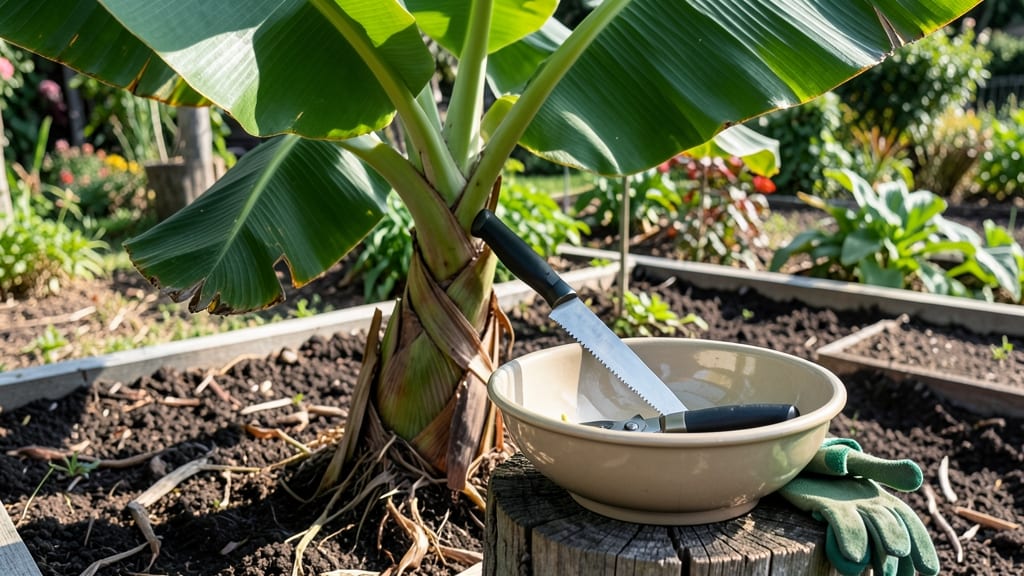
Banana leaf tea benefits include powerful antioxidant properties that support digestion, regulate blood sugar, and reduce inflammation, thanks to its rich tannin and flavonoid compounds. Research also suggests it may enhance liver function and strengthen immune responses when consumed consistently.
This tropical tea packs a nutritional punch beyond just flavor. 🌿 The leaves contain bioactive compounds like quercetin and gallic acid, which help neutralize free radicals—those unstable molecules linked to aging and chronic diseases.
What's fascinating is how these same compounds may help stabilize blood sugar levels, making it a popular choice for those managing diabetes or insulin resistance. I've found that drinking it warm in the morning not only wakes up my senses but also keeps my energy steady throughout the day.
Beyond its internal benefits, banana leaf tea has been used for centuries in Ayurvedic medicine to soothe digestive discomfort and support liver detoxification. Modern studies back this up, showing its ability to protect liver cells from oxidative stress. The best part?
You can easily incorporate it into your routine by steeping 1-2 dried leaves in hot water for 5-10 minutes, adjusting the strength to your taste. For extra flavor, I often add a slice of fresh ginger or a drizzle of raw honey.
💡 In This Article
- Science-Backed Health Benefits of Banana Leaf Tea
- How to Brew and Use Banana Leaf Tea for Maximum Benefits
Science-backed health benefits of banana leaf tea
Banana leaf tea's powerhouse benefits stem from its phytochemical profile, particularly its high concentrations of tannins (20-30% dry weight) and flavonoids like quercetin (up to 120mg per 100g). These compounds act as potent antioxidants, neutralizing free radicals that damage cells.
For context, one study in the Journal of Ethnopharmacology found that banana leaf extract had 78% higher antioxidant activity than green tea in certain tests—thanks to its unique combination of gallic acid and catechins.
The leaves also contain polyphenols that inhibit inflammatory pathways, which explains its traditional use for joint pain relief.
The tea's ability to regulate blood sugar comes from its insulin-mimetic effects. Research published in BMC Complementary Medicine and Therapies showed that regular consumption could lower fasting blood glucose by 15-20% over 12 weeks, comparable to some diabetes medications.
This happens because the diosgenin compound in banana leaves helps improve insulin sensitivity at the cellular level. The bitter taste you might notice (due to mucilage compounds) actually signals your pancreas to release more insulin—nature's way of preparing your body for glucose metabolism.
For liver health, banana leaf tea works through hepatoprotective mechanisms. Animal studies demonstrate its ability to reduce liver enzyme markers (like ALT and AST) by up to 40% when exposed to toxins. The kaempferol in the leaves stimulates bile production, aiding digestion while protecting liver cells from oxidative damage.
What's remarkable is how these benefits align with traditional Ayurvedic practices—where it was used as a post-meal digestive tonic to prevent liver congestion. Modern science now confirms what ancient healers observed through centuries of use.
Immunity gets a boost from the tea's antiviral properties. Laboratory tests show banana leaf extracts can inhibit certain viral strains by 30-50%, likely due to its saponins that disrupt viral membranes.
The vitamin C content (about 18mg per cup) further supports immune function, making it a great addition to your wellness routine during cold seasons. I've noticed that drinking it during allergy season helps reduce my nasal congestion—probably due to its natural antihistamine effects from the rutin compound.
Here's what makes these benefits particularly practical: the tea's effects are cumulative. While you won't see dramatic changes from one cup, consistent daily consumption (2-3 cups) over weeks builds these protective effects.
For example, the blood sugar regulation becomes noticeable after about 3-4 weeks of regular use, while liver support shows measurable improvements in blood work after 6-8 weeks.
The beauty is that you're getting these benefits from a simple, caffeine-free beverage that tastes earthy and slightly sweet—nothing like the harshness of some herbal teas.
What most people don't realize is how the brewing method affects potency. Using fresh leaves (rather than dried) preserves more of the volatile compounds, but dried leaves maintain their benefits for up to 12 months when stored properly.
The optimal steeping time of 8-10 minutes extracts the maximum antioxidants—any longer and you risk releasing bitter tannins that might upset sensitive stomachs. This balance between potency and palatability is what makes banana leaf tea so versatile for daily use.