
Pruning
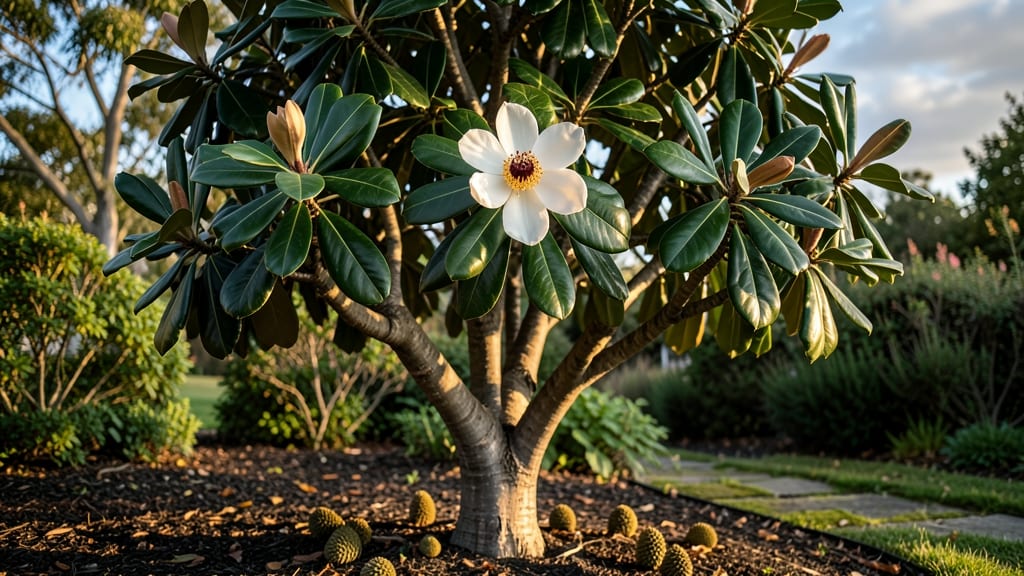
Pruning a big leaf magnolia tree (Magnolia macrophylla) turns it from a wild, leggy giant into a showstopping centerpiece with bold, glossy leaves and fragrant blooms. 🌿 The key is timing—prune after flowering (late spring) to avoid cutting off next year’s buds, and never remove more than 25% of the canopy in one season.
This tree thrives in rich, well-draining soil and partial shade, making it perfect for southern gardens where summers are hot but winters are mild.
Its massive leaves (up to 2 feet long!) and towering height (60–80 feet) demand respect—but with the right cuts, you’ll encourage stronger branches, better airflow, and even more dramatic blooms. Start with clean, sharp tools to make precise cuts just outside the branch collar.
Focus on removing dead wood, crossing branches, and shaping the canopy to open up the center. The result? A tree that looks majestic year-round, not just during its brief but spectacular spring flowering. For those in zones 5–9, this technique keeps your magnolia healthy for decades.
Just avoid heavy pruning in fall—it stresses the tree before winter dormancy. Ready to transform your landscape? Let’s get started!
📚 In This Guide
- What you need
- Instructions
- Tips and common mistakes
- Wrapping up and next steps
What you need
- ● Pruning shears: Bypass pruners (for small branches, ¼”–¾” thick). Choose sharp, high-quality stainless steel blades for clean cuts.
- ● Loppers: Long-handled (20–30” reach) for medium branches (¾”–2” thick). Look for ratcheting or bypass models for precision.
- ● Pruning saw: Curved-tooth saw (for branches 2”–4” thick). A folding or bow saw works best for magnolias.
- ○ Extension pole: 6–10 ft telescoping pole with a saw attachment (for high branches). Optional but highly recommended!
- ● Gloves: Heavy-duty, cut-resistant gloves (e.g., Mechanix or pruning-specific). Protects hands from thorns and sap.
- ● Safety gear: Safety glasses (to shield eyes from debris).
- ● Long sleeves/pants (to avoid scratches from thorns).
- ● Sturdy, closed-toe shoes or boots (for stability on uneven ground).
- ● Disinfectant: 70% isopropyl alcohol or a blank">pruning sealant (to sterilize tools between cuts and prevent disease).
- ● Cleaning supplies: Rag or paper towels (for wiping tools).
- ● Bucket of soapy water (for deep cleaning after pruning).
- ○ Tree wound dressing: Pruning paste (e.g., blank">Tanglefoot Tree Wound Pruning Seal) for large cuts (optional; magnolias heal well without it).
- ● Ladder: Sturdy, extendable ladder (if branches are 10+ ft high). Use with caution—magnolia branches are heavy!
- ● Tarps or drop cloths: To collect debris and protect landscaping.
- ● Pruning guide or ruler: For measuring branch collars and ensuring precise cuts.
- ● Camera or phone: To document the tree’s structure before/after pruning (great for tracking progress!).
- ● Check local regulations: Some areas restrict pruning during nesting seasons (spring/summer). Plan ahead!
- ● Choose the right time: Prune big leaf magnolias in late winter/early spring (Feb–March) for best results.
- ● Assess the tree: Identify dead, diseased, or crossing branches before you start.
- ● Weather check: Avoid pruning on windy or rainy days—safety first!
Step-by-Step instructions for pruning big leaf magnolia trees
Here’s my method for maintaining a healthy, vibrant magnolia—without stressing the tree or sacrificing its iconic blooms.
✂️ Step 1: Understand the Right Time to Prune
Big leaf magnolias bloom on old wood, so never prune after mid-summer—you’ll remove next year’s flowers. The best time is late winter or early spring, just as new growth begins. I wait until buds swell but haven’t yet burst open; this timing ensures I don’t disrupt the tree’s energy reserves for flowering.
If you must prune later, focus only on removing dead, diseased, or crossing branches. Avoid heavy cuts—anything beyond light maintenance risks stunting bloom production. You’ll know you’ve waited too long if you see fresh leaf buds already unfurling.
🌿 Step 2: Gather Tools and Safety Gear
Use sharp, clean pruning tools: a pair of bypass pruners for small branches and a pruning saw for thicker limbs. Disinfect tools with rubbing alcohol between cuts to prevent spreading disease. Wear gloves and safety goggles—magnolia branches can be heavy, and sap may irritate skin.
I also keep a small bucket of water nearby to rinse tools between trees if working in a grove. A ladder or extension pole is essential for reaching higher branches safely. Never stand on unstable surfaces—magnolias grow tall, and their weight can make branches sway unexpectedly.
✂️ Step 3: Remove Dead, Diseased, or Weak Branches First
Start by identifying branches that are dead (no leaves, brittle wood), diseased (mushrooms at base, discolored bark), or crossing (rubbing against others). Cut these out first, making clean cuts at the branch collar—the swollen area where the branch meets the trunk. This ensures proper healing and prevents water from pooling.
If a branch is larger than 2 inches in diameter, make the cut just outside the branch collar, angled slightly downward to shed water. You’ll see a slight swelling where the branch meets the trunk—this is your guide. Avoid leaving stubs, as they invite decay and weaken the tree’s structure.
☀️ Step 4: Thin the Canopy for Better Airflow and Light
Next, thin the canopy by removing branches that grow inward or upward, blocking sunlight and air circulation. Aim to open the center of the tree to 50-60% of its diameter at maturity. This prevents fungal issues and encourages stronger growth. I look for branches that cross others or grow at sharp angles—they’re prime candidates for removal.
Make thinning cuts just above an outward-facing bud or branch. You’ll see small bumps on the underside of branches—these are buds. Cutting above them ensures new growth continues outward, maintaining the tree’s natural shape. Avoid over-thinning; a magnolia’s dense foliage is part of its charm and resilience.
⏰ Step 5: Shape and Maintain the Tree’s Natural Form
Finally, shape the tree by selectively trimming branches to encourage an open, balanced structure. Big leaf magnolias naturally grow with a broad canopy, so avoid heavy topping or shearing. Instead, focus on removing branches that disrupt the tree’s symmetry or grow too close together.
Step back often to assess the tree’s silhouette. You’ll notice how removing just a few branches can dramatically improve airflow and light penetration. Prune no more than 25% of the tree’s canopy in one season—this prevents stress and ensures the magnolia retains its vigor. Finish by cleaning up fallen debris and disposing of diseased branches properly.
Tips & tricks for pruning big leaf magnolia trees
Precision trimming transforms a magnolia from merely surviving to thriving—here's how to avoid common pitfalls and elevate your tree's health.
Timing is Everything: The late winter/early spring window (Step 1) is critical because magnolias bloom on old wood—meaning this year's flowers formed last year. If you must prune later, limit yourself to deadwood removal only. I've seen gardeners accidentally prune off next year's blooms by waiting too long, so always check for unfurled leaf buds as your cutoff point.
Tool Maintenance Matters: That pruning saw (Step 2) needs proper care—clean it with rubbing alcohol between trees to prevent disease spread. I've had to replace tools after using them on diseased branches without proper disinfection. For thick branches over 2 inches (Step 3), use the saw's sharpness to make clean cuts that heal properly. Dull tools tear wood, creating larger wounds that invite infection.
Canopy Balance Secret: When thinning to 50-60% openness (Step 4), focus on removing branches that grow inward or upward. These are the ones blocking sunlight and airflow. I like to visualize the tree's silhouette from all angles—this helps maintain its natural shape while improving health. Remember, you're not trying to create a formal shape, just optimize the tree's natural form for maximum bloom potential.
Stress Management: Never exceed the 25% canopy removal rule (Step 5)—this prevents shock. I learned this the hard way when I over-pruned a young magnolia and it took three years to recover. Instead, make small improvements each year. The goal is gradual improvement, not drastic transformation.
Pro Tips for Big Leaf Magnolia Tree
- Precision trimming transforms a magnolia from merely surviving to thriving—here's how to avoid common pitfalls and elevate your tree's health.
- Timing is Everything: The late winter/early spring window (Step 1) is critical because magnolias bloom on old wood—meaning this year's flowers formed last year.
- Tool Maintenance Matters: That pruning saw (Step 2) needs proper care—clean it with rubbing alcohol between trees to prevent disease spread.
Frequently asked questions
Got questions about keeping your big leaf magnolia tree healthy with precision pruning? Here are some of the most common concerns—and their answers!
When is the best time to prune a big leaf magnolia?
The ideal window is late winter to early spring (before buds swell) or summer after flowering. Avoid pruning in fall or winter when the tree is dormant—this can stress it. Pro tip: If you must prune in late summer, do so at least 6 weeks before frost to allow healing.
Can I prune a big leaf magnolia in summer?
Yes, but lightly! Summer pruning (June–August) is best for shaping or removing deadwood, but avoid heavy cuts. Why? Late-summer pruning can stimulate tender new growth vulnerable to frost damage. Stick to <10% of the canopy at a time, and always use sterilized tools to prevent disease.
What if I see blackened leaves or oozing sap after pruning?
This could signal bacterial or fungal infection (common in magnolias). Act fast:
- Remove infected branches below the damage and sterilize cuts with copper fungicide.
- Prune on a dry, wind-free day to reduce spore spread.
- Monitor for pests like scale or aphids—treat with neem oil if needed.
How much can I trim back a mature big leaf magnolia?
Never remove more than 25% of the canopy in one year—these trees are sensitive to over-pruning. For mature trees, focus on:
- Removing dead, crossing, or weak branches at the branch collar.
- Avoid "topping" (cutting the main stem)—it causes stubby regrowth and weakens the tree.
- Thinning the center to improve airflow (but leave at least ⅓ of the foliage).
Are there alternatives to pruning if my magnolia is struggling?
If pruning seems risky, try these low-stress options:
- Mulching: Add 2–3 inches of organic mulch (wood chips) around the base to retain moisture and regulate soil temp.
- Deep watering: Water slowly 1–2x/week (deep soak, not surface spray) during dry spells.
- Fertilizing: Use a slow-release, acid-loving fertilizer (like 8-3-9) in early spring—avoid high-nitrogen blends.
- Pest control: Inspect for magnolia scale (white bumps on branches) and treat with horticultural oil if found.
Wrapping up and next steps
The big leaf magnolia tree is a stunning addition to any landscape, and with the right pruning techniques, you can keep it thriving for years to come! 🌿 Remember, timing, sharp tools, and patience are key—whether you're shaping its branches or removing dead wood.
Your efforts will reward you with healthy growth, vibrant blooms, and a majestic presence in your outdoor space.
Ready to take the next step? Grab your pruners and schedule that first trim—your magnolia will thank you! For extra confidence, bookmark this guide or share it with fellow gardening enthusiasts. Happy pruning! 🌸