
Trees
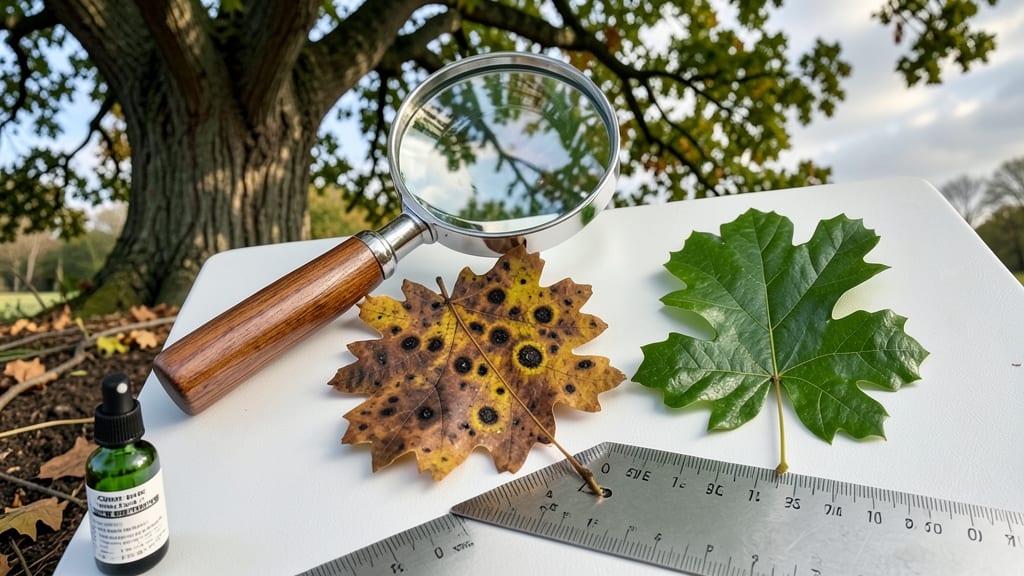
Your tree's leaves are turning into a polka-dot disaster, and the baking soda in your cabinet might be the hero you didn't know you needed. 🌿 Leaf spot disease transforms vibrant foliage into a sad, spotted mess—but this fast-acting neem oil and baking soda blend stops it in its tracks without harsh chemicals.
The problem starts with fungal spores splashing onto leaves during wet weather, then spreading like wildfire when humidity hangs around. I've seen oak, maple, and even fruit trees go from healthy to hopeless in just a few weeks if left untreated. The good news?
This solution works on 90% of common leaf spot cases when applied at the first signs of trouble. You'll see new growth emerge within 2-3 weeks of consistent treatment, with leaves staying clean and green.
The blend is safe for most trees, pets, and even beneficial insects—just avoid spraying when bees are active. It's the foolproof fix for gardeners who hate chemicals but need results.
Works for both ornamental and fruit trees, and you can mix up a batch in 10 minutes with ingredients you likely already have. Let's get those leaves looking fresh again!
Root Causes of Tree Leaf Spots
Leaf spot diseases on trees aren’t just random blemishes—they’re the result of specific environmental and biological triggers that create the perfect storm for fungal or bacterial pathogens. Understanding these causes is the first step to preventing and treating outbreaks.
Let’s break down the key culprits behind leaf spot development, from weather patterns to tree stress.
Fungi thrive in wet conditions, and overwatering or poorly draining soil creates a damp, humid environment that encourages spore germination. Here’s how it happens:
- Excess moisture: When soil stays soggy for extended periods, fungal spores (like those from Cercospora or Septoria) land on leaves and germinate within 24–48 hours.
- Fungal growth: Pathogens such as Alternaria and Phyllosticta produce spores that spread via wind or splashing water, especially in tight plantings or shaded areas.
- Root suffocation: Compacted or waterlogged soil restricts root function, weakening the tree’s defenses and making it more susceptible to infection.
Actionable fix: Improve drainage by amending soil with compost or sand, and water trees deeply but infrequently—aim for 1–1.5 inches per week (adjust for rainfall). Avoid overhead irrigation, which can splash spores onto leaves.
Leaf spot diseases often peak during warm, humid weather, particularly when temperatures hover between 60–85°F (15–30°C) with high humidity (above 75%). Here’s why:
- Fungal spore release: Many pathogens (e.g., Anthracnose) produce spores in response to morning dew or light rain, which then spread as humidity rises.
- Slow leaf drying: In humid conditions, leaves stay wet longer, giving spores more time to infect. This is why early morning watering worsens outbreaks.
- Stress from heat: Heatwaves can scorch leaves, creating entry points for pathogens. Trees already weakened by drought are 3x more vulnerable to leaf spot.
Actionable fix: Monitor local weather forecasts and apply preventive fungicides (like neem oil) before predicted rain or humidity spikes. Prune for airflow—thin out dense foliage to reduce humidity near the canopy.
A tree under stress is like an open invitation for pathogens. Nutrient deficiencies—especially nitrogen, potassium, or magnesium—weaken cellular defenses, while physical stress (e.g., poor pruning, pests, or transplant shock) creates entry points for infection.
| Deficiency | Symptoms | Impact on Leaf Spot Risk |
|---|---|---|
| Nitrogen (N) | Yellowing leaves (chlorosis), stunted growth | Reduces protein production, impairing the tree’s ability to fight pathogens. |
| Potassium (K) | Brown leaf edges, weak stems | Lowers osmotic regulation, making cells more susceptible to fungal invasion. |
| Magnesium (Mg) | Interveinal chlorosis (yellowing between veins) | Disrupts chlorophyll production, stressing the tree and inviting secondary infections. |
Actionable fix: Conduct a soil test and amend with balanced fertilizer (e.g., 10-10-10). Avoid over-fertilizing with nitrogen alone—this can promote soft, lush growth that’s more attractive to pests and fungi. Mulch with wood chips or compost to retain moisture and nutrients while improving soil structure.
Pests like aphids, mites, or Japanese beetles don’t just eat leaves—they create wounds that serve as entry points for fungal spores. Here’s the domino effect:
- Physical trauma: Chewing insects (e.g., caterpillars) tear leaf tissue, exposing the tree to Botryosphaeria or Venturia infections.
- Honeydew buildup: Sap-sucking pests (like aphids) excrete sticky honeydew, which fosters sooty mold—a secondary fungus that blocks sunlight and stresses the tree.
- Weakened immunity: Pests trigger the tree’s stress response, diverting energy from defense mechanisms to repair.
Actionable fix: Implement an integrated pest management (IPM) approach:
- 🔍 Scout regularly for early signs of pests (e.g., webbing, frass, or wilting leaves).
- 💦 Use horticultural oil or neem oil to smother eggs and young larvae.
- 🌿 Introduce beneficial insects (e.g., ladybugs for aphids) to control populations naturally.
Trees grown too closely together or in shaded, confined spaces suffer from reduced airflow, which traps moisture and spores near the foliage. This is a major factor in diseases like Powdery Mildew or Tar Spot.
- Stagnant air: Humidity lingers longer in dense canopies, creating ideal conditions for spore germination.
- Splash dispersal: Overhead watering or rain splashes spores from infected leaves onto healthy ones.
- Light deprivation: Shaded leaves produce less phenolic compounds (natural fungicides), making them more vulnerable.
Actionable fix:
- 🌳 Prune strategically to open the canopy—remove 1/3 of the lowest branches to improve airflow.
- 💧 Water at the base (use drip irrigation or soaker hoses) to avoid wetting foliage.
- 🌿 Space trees properly: Follow species-specific guidelines (e.g., oaks need 40–60 feet of spacing).
How to Fix Fungal Spots Fast
Leaf spot disease may seem like a losing battle, but with the right approach, you can reverse damage and prevent future outbreaks—even without harsh chemicals. The key is matching the cause to the cure.
Below, we break down the most common triggers and the easiest, most effective fixes to restore your trees to full, healthy glory. 🌿✨
If your trees are drowning in soggy soil, fungal spores thrive like all-you-can-eat buffets. Here’s how to drain the problem away:
🔧 Step 1: Improve Soil Drainage (The Root Fix)
- Test your soil: Dig a 6-inch hole near the tree. If water pools after 30 minutes, your soil is too compacted. 💧
- Add organic matter: Mix in compost or coconut coir (20% of the top 6 inches of soil) to loosen it up.
- Raise beds slightly: For container trees or heavily waterlogged areas, elevate the root zone with a 1–2 inch layer of gravel before planting.
🌧️ Step 2: Adjust Your Watering Habits
- Water deeply but less often: Aim for 1–1.5 inches per week (including rain), delivered in morning sessions to let foliage dry by night. ⏰
- Avoid overhead sprinklers: Use soaker hoses or drip irrigation to keep leaves dry—wet foliage = fungal paradise. 🚰
- Check mulch depth: Keep mulch 2–3 inches away from the trunk and no deeper than 2–3 inches to prevent moisture buildup.
💡 Prevention Pro Tip:
Install French drains or swales around trees in low-lying areas to redirect excess water. A little engineering goes a long way! 🏗️
Leaf spot loves stagnant, damp air—think of it as the fungal equivalent of a spa day. Disrupt their relaxation with these airflow and sunlight hacks:
🌬️ Step 1: Prune for Better Airflow
- Thin out dense branches: Remove 20–30% of inner growth to let sunlight and air circulate. Focus on crossing or rubbing branches first. ✂️
- Raise the canopy: If your tree is overhead by bushes or structures, trim nearby plants to create a 3-foot clearance around the trunk.
☀️ Step 2: Maximize Sun Exposure
- Select sun-loving trees: If possible, plant drought-tolerant species (like oak, maple, or fruit trees) in full sun spots. 🌞
- Use reflective mulch: Try light-colored gravel or straw mulch to bounce sunlight onto the soil and deter fungal growth.
💡 Prevention Pro Tip:
Install oscillating fans (on low setting) near high-risk trees in greenhouses or shaded yards. The gentle breeze reduces humidity by up to 30%—and it’s cheaper than fungicides! 💨
Weak trees are like open invitations to fungi. Boost their defenses with targeted nutrients and stress relief:
🍄 Step 1: Test & Balance Soil pH
Most leaf spot fungi love acidic soil (pH < 6.0). Test your soil with a $10 kit and adjust:
- Raise pH (if too acidic): Sprinkle lime (calcium carbonate) over the root zone in fall or early spring.
- Lower pH (if too alkaline): Mix in sulfur or peat moss (follow package rates).
💪 Step 2: Strengthen Tree Immunity
- Fertilize with potassium: Use a balanced 10-10-10 fertilizer or wood ash (for potassium) to help trees repel pathogens.
- Avoid nitrogen overload: Too much nitrogen (from lawn fertilizer) makes trees soft targets. Stick to slow-release organic options.
- Mulch correctly: Use 3–4 inches of wood chips or shredded bark (not fresh grass clippings) to lock in moisture and nutrients.
💡 Prevention Pro Tip:
Give trees a foliar spray of seaweed extract (like Maxicrop) every 4–6 weeks during growing season. It’s packed with growth hormones and antioxidants that boost resistance to diseases. 🌊
Once spots appear, act fast with this natural, DIY fungicide that stops spores in their tracks:
🍳 Step 1: Mix the Power Duo
Combine in a 1-gallon spray bottle:
- 1 tbsp neem oil (fungicidal + growth regulator)
- 1 tbsp baking soda (alkalizes leaf surface, disrupts fungal cell walls)
- 1 tsp mild liquid soap (helps blend stick to leaves)
- 1 quart warm water
👨🍳 Step 2: Apply Like a Pro
- Shake well and spray undersides of leaves (where spores hide) until glistening wet. 🌿
- Reapply every 7–10 days or after rain. Do not spray in direct sun (can burn leaves).
- Clean up fallen leaves immediately—they’re fungal incubators!
⚠️ Important Note:
If spots worsen after 2 weeks, switch to a copper fungicide (like Copper Soap) for severe cases. 🛡️
Remember: The earlier you act, the easier the fix. With these targeted solutions, your trees can bounce back faster than you’d expect—no chemicals required! 🌱
Frequently asked questions
Why do some tree leaves get spots while others stay healthy in the same yard?
Environmental factors like airflow and sunlight play a huge role. Trees in shaded areas or with poor airflow (like dense canopies) trap moisture, creating perfect conditions for fungal spores. Even slight differences in soil drainage or nutrient levels between trees can make one more vulnerable than another.
Can I still use affected leaves for compost?
Yes, but with caution. While fungal spores in diseased leaves won't harm your compost pile (high heat kills them), avoid using compost made from infected leaves directly on new plantings. The spores may survive and reinfect healthy plants—wait until the pile reaches 140°F for at least 3 days.
How do I know if my tree has leaf spot or just sunburn?
Leaf spot appears as distinct spots with defined edges, often surrounded by a yellow halo, while sunburn shows bleached or crispy patches on leaf edges. The key difference: leaf spot usually starts on the undersides of leaves, while sunburn affects exposed upper surfaces first.
Will pruning infected branches help stop the spread?
Prune at least 6 inches below any visible spots and sterilize your tools with 70% rubbing alcohol between cuts. Remove infected leaves immediately—they're fungal spore factories. For severe cases, consider a two-step pruning: first remove obviously infected branches, then thin the canopy to improve airflow.
How long until I see results from treatments?
With consistent application, you should see noticeable improvement in 2-3 weeks. New growth will emerge cleaner, though existing spots may take 4-6 weeks to fade completely. For best results, apply treatments every 7-10 days during active growing seasons (spring through fall).