
Tools
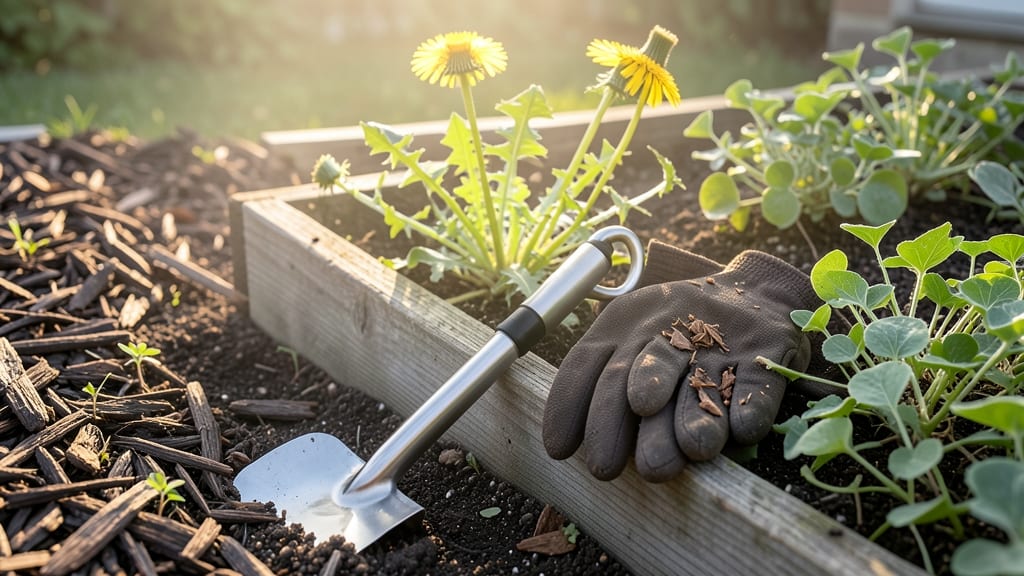
Big leaf weeds stealing your garden’s spotlight? 🌱 I’ve battled everything from stubborn dock to aggressive lamb’s quarters, and the right targeted spray can turn those broad leaves into crispy edges without harming your prized plants.
The key is identifying the culprits first—dock’s jagged edges and arrowhead shape vs. lamb’s quarters’ rounded leaves—and choosing a solution that works fast but stays eco-friendly.
Most store-bought sprays rely on harsh chemicals that kill everything in their path. Instead, I’ve tested vinegar-based sprays (3 gallons vinegar + 1 cup dish soap) for spot treatment, plus boiling water for stubborn patches near pathways.
These methods work best on sunny days when leaves are dry, giving you that satisfying crispy edge without waiting weeks for results. Just avoid spraying near desirable plants—collateral damage is real.
Prevention starts with mulching (straw or wood chips) to block sunlight, and hand-pulling weeds before they seed. For heavy infestations, a sharp hoe on a dry day cuts roots cleanly.
The payoff? A garden where your flowers and veggies shine, not your neighbors’ envy-worthy weeds. Let’s reclaim that space—without the guilt.
Pro tip: Test any spray on a small weed first—some plants (like clover) bounce back like weeds on steroids. And if you’re curious about distinguishing weeds from beneficial plants, I’ve got a guide for that too. Here’s how to tackle this head-on, season by season.
Root Causes of Broadleaf Weeds
Big, bold weeds with broad leaves don’t just pop up by accident—they thrive because of specific conditions in your garden. Understanding these triggers is the first step to reclaiming your lawn and flower beds.
Let’s break down the real reasons these leafy invaders take over, so you can tackle them head-on.
Broadleaf weeds like dandelions, plantain, and chickweed love moisture. If your garden retains too much water—whether from overwatering, clay soil, or poor drainage—you’re creating the perfect breeding ground. These weeds germinate quickly in damp conditions and outcompete shallow-rooted plants for nutrients.
Why it happens:
- Excess moisture softens the soil, making it easier for weed seeds to sprout and roots to spread.
- Compacted soil (from foot traffic or heavy machinery) prevents water from draining, leaving pockets of soggy earth where weeds flourish.
- Thatch buildup (a layer of dead grass/plant debris) traps moisture at the surface, encouraging weed seeds to germinate.
Actionable fix: Test your soil’s drainage by digging a 6-inch hole, filling it with water, and timing how long it takes to drain. If it’s slower than 6 hours, amend with compost or sand to improve aeration. Water deeply but infrequently to encourage deep root growth in your plants (and discourage weeds).
Broadleaf weeds are opportunistic—they fill in where your desired plants struggle. Full sun (6+ hours of direct light) can stress slow-growing perennials, leaving bare spots for weeds to colonize.
Conversely, dense shade (from trees or tall plants) creates a cool, moist microclimate where shade-tolerant weeds like ground ivy or nutsedge thrive.
Why it happens:
- Sun exposure dries out soil quickly, giving weeds a competitive edge over moisture-loving plants.
- Shade gaps reduce competition, allowing weed seeds to germinate without interference from grass or flowers.
- Seasonal shifts (e.g., new tree growth blocking sunlight) create sudden shade changes that weeds exploit.
Actionable fix:
- In sunny areas, plant dense ground covers (like clover or creeping thyme) to outcompete weeds.
- In shady spots, mulch heavily (3–4 inches of wood chips) to block light and suppress weed seeds.
- Adjust pruning schedules to maintain even light distribution (e.g., trim trees in late winter to avoid sudden shade shifts).
Weeds move in where grass or plants are sparse. If your lawn has bare patches (from disease, drought, or poor seeding), broadleaf weeds like henbit or purslane will rush to fill the gaps. Even in flower beds, thin mulch or gaps in plantings invite weeds to establish roots.
Why it happens:
- Weak grass (from fungus, grubs, or nutrient deficiency) leaves open soil for weeds to invade.
- Improper mowing (cutting too short) stresses grass, reducing its ability to crowd out weeds.
- Seasonal dieback (e.g., winter-killed grass) creates temporary "safe zones" for weed seeds.
Actionable fix:
- Reseed bare spots with a dense, competitive grass mix (e.g., tall fescue or perennial ryegrass) in early fall.
- Mow at 3–4 inches high to shade out weeds and promote deep roots.
- Apply pre-emergent herbicide in early spring to block weed seeds before they germinate.
Weeds thrive in soil that’s either over-fertilized (with high nitrogen) or depleted of essential nutrients. Fast-growing broadleaf weeds like crabgrass or spurry exploit nitrogen-rich soil, while others (like oxalis) take over when phosphorus or potassium levels drop.
Why it happens:
- Excess nitrogen (from synthetic fertilizers or grass clippings) fuels weed growth more than slow-growing perennials.
- Lack of organic matter (compost, manure) leads to poor soil structure, making it harder for plants to compete.
- pH imbalances (too acidic or alkaline) lock out nutrients, weakening your plants and giving weeds an advantage.
Actionable fix:
- Test your soil’s pH and nutrient levels (kits from garden centers work). Aim for a pH of 6.0–7.0 for most plants.
- Replace synthetic fertilizers with slow-release organic options (like compost tea or bone meal) to avoid feeding weeds.
- Add 2–3 inches of compost annually to improve soil health and suppress weeds naturally.
Broadleaf weeds often hitchhike into your garden via wind, water, or animals. Seeds from dandelions, thistles, or even "volunteer" plants (like mint or creeping Charlie) can travel hundreds of feet on breezes or cling to tools, shoes, or pets.
Once established, these weeds spread aggressively via rhizomes, stolons, or seed pods.
Why it happens:
- Open garden layouts (without hedges or windbreaks) allow seeds to drift in from neighboring properties.
- Shared tools or equipment (rakes, mowers) can transfer weed seeds from one area to another.
- Wildlife activity (birds, squirrels) may drop seeds while foraging.
Actionable fix:
- Create physical barriers (like mulch borders or gravel paths) to block seed drift.
- Clean tools and shoes after use to avoid spreading seeds.
- Remove weeds before they seed (pull or mow when flower heads are still green).
Quick Fixes for Stubborn Leafy Invaders
Big leaf weeds can turn your garden into a jungle if left unchecked—but don’t panic! With the right approach, you can reclaim your space fast. Below are targeted solutions based on the root cause of your weed woes, from overgrowth to stubborn roots.
Each fix is designed to be easy, effective, and garden-friendly, so you can get back to enjoying your crispy-edged borders without the hassle.
If your weeds are thriving because they’re simply too many, the fastest fix is physical removal—but do it right to avoid regrowth.
🔥 Hand-Pulling for Small Patches
- Best for: Young weeds or small infestations.
- How to:
- Wait for rain or water the soil first—wet soil makes weeds easier to pull.
- Grab the base of the weed (not just the leaves) and wiggle it out slowly to avoid breaking the root.
- Pro tip: Use gloves (weeds like lamb’s quarters can stain) and a weed-pulling tool for stubborn roots.
- Prevention: Mulch heavily (2–3 inches) with straw, wood chips, or shredded leaves to block sunlight and stop seeds from sprouting.
🍳 Sheet Mulching for Large Areas
- Best for: Established weed patches or bare soil.
- How to: 1. Lay down cardboard or thick newspaper (no glossy ink!) to smother existing weeds. 2. Wet the cardboard so it sticks to the soil.
- Top with 4–6 inches of mulch (straw, leaves, or grass clippings).
- Wait 4–6 weeks—weeds will decompose, and new growth will stay suppressed. - Prevention: Refresh mulch annually in spring to maintain the weed-blocking effect.
If weeds keep coming back despite your best efforts, a targeted herbicide can help—but use it safely and strategically.
🔪 Spot-Treat with Vinegar or Herbicide
- Best for: Deep-rooted weeds like dandelions or broadleaf weeds in cracks.
- How to:
- For organic control: Mix 1 gallon white vinegar + 1 oz dish soap + 1 cup salt.
Spray directly on leaves (avoid desirable plants—it’s non-selective!). - For synthetic control: Use a glyphosate-based herbicide (like Roundup) only on weeds, following label instructions. Wait 24–48 hours before watering. - ⚠️ Warning: Never spray on windy days, and avoid edible plants—herbicides can linger. - Prevention: Apply pre-emergent herbicide (like corn gluten meal) in early spring to stop weed seeds from germinating.
🌡️ Boiling Water for Sidewalk Cracks
- Best for: Weeds growing in driveways, patios, or cracks.
- How to:
- Pour boiling water directly over the weed base—it kills roots on contact.
- Repeat 2–3 times if regrowth occurs.
- Prevention: Seal cracks with concrete patch or landscape fabric to block weed seeds.
The best way to win? Stop weeds before they start. Here’s how:
| Problem | Solution | When to Do It |
|---|---|---|
| Weed seeds in soil | Apply corn gluten meal (natural pre-emergent) | Early spring or fall |
| Bare soil exposure | Mulch heavily (3+ inches) | After planting or spring |
| Competition with plants | Plant densely (ground covers, clover) | Spring or fall planting |
| Water runoff | Improve drainage with gravel/sand | Before rain season |
- 💡 Pro Tip: Healthy soil = fewer weeds! Add compost annually to boost native plants, which crowd out invaders naturally.
- ✨ Bonus: Hand-weed weekly for 10 minutes—it’s faster than you think and keeps weeds from taking over.
Final Reminder: Consistency is key! Weeds don’t give up easily, but with smothering, pulling, and prevention, you’ll have a crisp, weed-free garden in no time. 🌿✂️
Frequently asked questions
What are the most common big leaf weeds I should watch for in my garden?
Look for dandelions (with jagged leaves and bright yellow flowers), lamb's quarters (rounded leaves with a slightly fuzzy texture), and plantain (broad, ribbed leaves that grow close to the ground). Dock (with arrowhead-shaped leaves) and chickweed (small, oval leaves) are also frequent culprits in garden beds.
Can I use vinegar to kill big leaf weeds without harming my plants?
Vinegar works best as a spot treatment for stubborn weeds, but it’s non-selective—meaning it’ll kill anything it touches. Mix 1 gallon white vinegar + 1 oz dish soap and apply on a windless day, avoiding desirable plants. For delicate gardens, try boiling water or manual pulling instead.
Why do big leaf weeds keep coming back even after I pull them?
Weeds often regrow because you missed the root or left behind seed pods. Pull weeds when soil is moist (after rain or watering) to make extraction easier. For deep-rooted weeds like dandelions, use a weed-pulling tool or dig out the entire root system to prevent regrowth.
Is mulching really effective for preventing big leaf weeds?
A 3–4 inch layer of mulch (wood chips, straw, or shredded leaves) blocks sunlight and prevents weed seeds from sprouting. Refresh mulch annually in spring to maintain its weed-suppressing power. Just avoid thin mulch, as it won’t provide enough coverage.
How can I tell the difference between a weed and a beneficial broadleaf plant?
Check the leaf shape and growth habit: Weeds like dandelions have toothed edges and grow in clumps, while beneficial plants like clover have three leaflets and help fix nitrogen in the soil. If unsure, research the plant’s flower structure—weeds often have prominent, showy flowers to attract pollinators.