
Shrubs
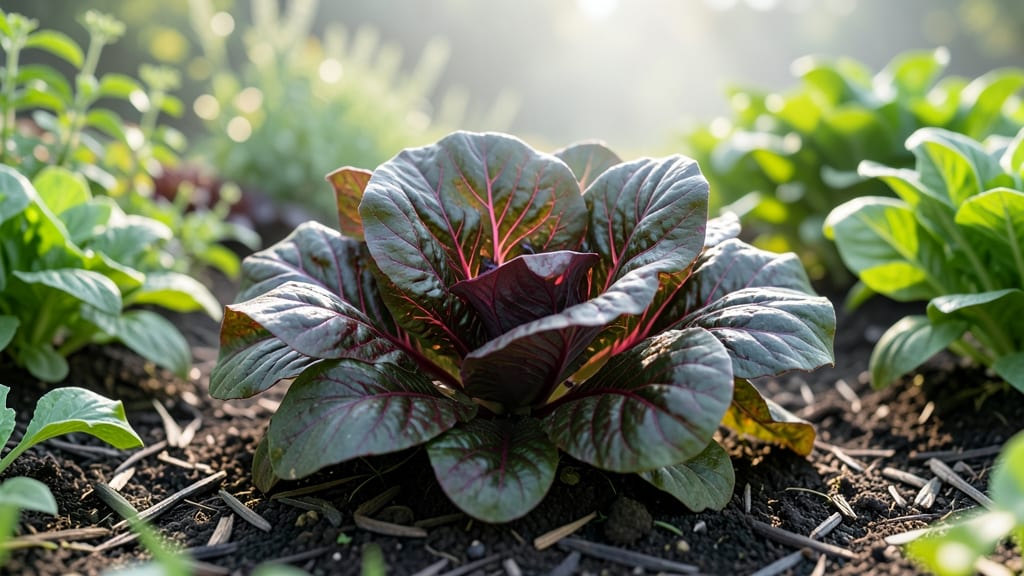
Those stunning red veins on this lettuce leaf might be a natural beauty—or a warning sign. 🌿 Some varieties, like ‘Red Sails’ or ‘Oakleaf,’ are bred to have that vibrant look, but crispy edges and red veins could also mean stress from overwatering, nutrient imbalance, or even a sneaky fungal infection.
Let’s figure out what’s really going on with your plants and how to bring them back to crisp perfection.
First, check your lettuce’s variety—some, like ‘Red Sails’ or ‘Oakleaf,’ are bred to have those gorgeous red veins. If it’s not a natural trait, look closer: yellowing between veins? That’s likely overwatering or nutrient deficiency.
Brown, crispy edges with red veins? That’s often a sign of stress or even early blight. The good news? Most of these issues fix with simple adjustments.
For crispy edges, try a light copper spray (just 1 teaspoon per quart of water) to prevent fungal issues, and make sure your plants get consistent moisture—not soggy soil.
If the red veins are from nutrient stress, a balanced liquid fertilizer will help. Within a week, you’ll see fresher leaves and that satisfying crunch you love in salads.
This works for both garden beds and containers, and the same principles apply whether you’re growing butterhead, romaine, or loose-leaf varieties. Let’s get those leaves looking healthy again—no more sad, wilty messes!
Root Causes Of Red Veins
When your lettuce leaves develop striking red veins, it’s not just a cosmetic quirk—it’s often a signal from the plant about its environment or health. Understanding the why behind these vibrant streaks helps you address the issue before it affects flavor or yield.
Below, we break down the most common triggers, from soil chemistry to stress factors, with actionable insights to restore your crop’s natural balance.
Lettuce thrives in a balanced nutrient profile, but overzealous fertilization—especially with nitrogen (N) or phosphorus (P)—can trigger red vein discoloration. Here’s how it happens:
- Excess nitrogen: While nitrogen fuels leafy growth, too much can disrupt chlorophyll production, causing veins to appear red or purple as the plant struggles to metabolize sugars efficiently. Think of it like a traffic jam in the plant’s vascular system.
- Phosphorus overload: Phosphorus is critical for energy transfer, but high levels (often from bone meal or synthetic fertilizers) can acidify the soil, stressing roots and prompting anthocyanin production—a natural pigment that turns veins red as a protective response.
💡 Pro Tip: Test your soil’s pH and nutrient levels before fertilizing. Aim for a pH of 6.0–7.0 for lettuce, and use a balanced 5-10-10 or 10-10-10 fertilizer (N-P-K ratio). If red veins persist, flush the soil with water to leach excess nutrients.
Lettuce is a cool-season crop, and when temperatures rise or light conditions change, the plant may produce anthocyanins as a sunscreen mechanism. Here’s the science:
- High temperatures: Above 75°F (24°C), lettuce’s metabolic processes slow, and chlorophyll breaks down faster. The plant compensates by producing red/purple pigments to protect cell membranes from damage.
- Intense sunlight: Direct afternoon sun (especially in hot climates) can bleach chlorophyll in leaf edges, while veins remain a deeper green or turn red as a photo-protective response.
🌡️ Actionable Fix:
- Provide shade cloth (30–50%) during peak sun hours (11 AM–3 PM).
- Use mulch (straw or grass clippings) to keep soil cool and retain moisture.
- Harvest leaves in the morning when temperatures are lowest.
Water stress—whether from drought or poor watering techniques—can trigger red veins by disrupting nutrient uptake. Here’s how:
- Overhead watering: Wet leaves + sunlight = fungal pressure (like downy mildew) or leaf scorch. The plant responds by producing anthocyanins to repair damaged cells.
- Fluctuating moisture: Lettuce roots are shallow; alternating dry and soggy soil stresses the plant, leading to uneven nutrient distribution and reddened veins.
💧 Best Practices:
- Water at the base using drip irrigation or soaker hoses to avoid wetting foliage.
- Maintain consistent moisture—lettuce prefers 1 inch of water per week, including rainfall.
- Use container growing with well-draining soil to prevent root rot, which can exacerbate stress signals.
While red veins aren’t always a disease symptom, certain pathogens mimic nutrient stress by disrupting the plant’s vascular system. Common culprits:
- Downy Mildew (Bremia lactucae): This fungal disease clogs lettuce veins, reducing water/nutrient flow. Infected leaves may show yellowing between veins with reddish-purple streaks as the plant fights infection.
- Bacterial Leaf Spot (Pseudomonas spp.): Causes water-soaked lesions that turn red/brown. The plant’s defense pigments may leak into veins, creating a marbled effect.
🔍 How to Diagnose:
- Check the underside of leaves for fuzzy gray mold (downy mildew) or dark spots with yellow halos (bacterial infection).
- Isolate affected plants and remove debris to prevent spread.
🌿 Treatment: Apply a copper fungicide (like copper sulfate) or neem oil as a preventative spray. For bacterial issues, use bactericide (e.g., copper hydroxide) and avoid overhead watering.
By pinpointing the root cause—whether it’s nutrient overload, heat stress, watering mismanagement, or pathogens—you can tailor your fix to restore your lettuce’s crisp, green appeal. Next up: How to reverse red veins with copper sprays and soil amendments.
Fixing Red Veins Naturally
If your lettuce leaves are developing unsightly red veins, don’t panic—there are practical ways to address the issue and restore their crisp, vibrant appearance. Below, we’ve mapped out targeted solutions based on the most common causes, along with preventive steps to keep your lettuce thriving.
Let’s turn those red veins around!
Excess moisture can stress lettuce roots, leading to nutrient imbalances and red veins. Here’s how to fix it:
- 🔥 Adjust Watering Habits - Water deeply but infrequently—aim for 1 inch per week, adjusting for rainfall. - Use your finger to check soil moisture; if the top inch is damp, wait before watering again. - 🏗️ Improve Drainage - Ensure pots or garden beds have drainage holes to prevent soggy roots. - Mix in perlite or sand (10-20%) to sandy or clay-heavy soil for better aeration. - 💡 Pro Tip: If your lettuce is already struggling, trim affected leaves to redirect energy to healthier growth.Red veins often signal a lack of key nutrients. Here’s how to correct them:
- 🍽️ Fertilize Smartly - For nitrogen deficiency: Apply a balanced fertilizer (10-10-10) or compost tea every 2-3 weeks. - For magnesium deficiency: Sprinkle Epsom salt (1 tbsp per gallon of water) as a foliar spray or soil drench. - 🌿 Boost Organic Matter - Work well-rotted compost into the soil before planting for long-term nutrient support. - ⚠️ Warning: Avoid over-fertilizing—too much salt can burn roots. Always follow package instructions!Pests like aphids or fungal infections can cause red discoloration. Act fast with these remedies:
- 🔪 Treat Pests Naturally - Spray with neem oil (1 tsp per quart of water) to deter aphids, mites, and fungal spores. - Introduce beneficial insects like ladybugs or lacewings to control pests organically. - 🌡️ Prevent Fungal Spread - Space plants 12+ inches apart for airflow. - Water at the base (avoid wetting leaves) to reduce fungal risk. - ✨ Emergency Fix: If red veins are severe, prune affected leaves and isolate the plant until it recovers.Extreme heat or cold can shock lettuce, causing red veins. Adjust growing conditions to revive your crop:
- 🌞 Optimize Sunlight - Lettuce prefers partial shade (3-6 hours of sun daily). Use shade cloth (30-50%) in hot climates. - Move potted lettuce to a cooler, shaded spot if leaves wilt or turn red in direct sun. - 🧊 Protect from Cold Snaps - Use row covers or cloches for overnight frost protection. - Avoid planting lettuce in full sun during summer—opt for cooler seasons (spring/fall). - 💡 Pro Tip: Mulch with straw to regulate soil temperature and retain moisture.Keep your lettuce crisp and green with these long-term strategies:
- 📊 Soil Test First: Check pH (ideal: 6.0-7.0) and amend with lime (to raise pH) or sulfur (to lower it) if needed. - 🥗 Rotate Crops: Avoid planting lettuce in the same spot yearly to prevent nutrient depletion. - 🌱 Choose Resistant Varieties: Try Buttercrunch or Romaine—they’re less prone to stress-related discoloration. - 🍃 Harvest Regularly: Pick outer leaves as they mature to encourage continuous, healthy growth.With these fixes, your lettuce should bounce back with crisp, vibrant leaves in no time. Remember: consistency in care is key—whether it’s water, nutrients, or sunlight. Happy growing! 🌿
Frequently asked questions
Are red veins on lettuce always a problem?
Not necessarily! Some varieties like 'Red Sails' or 'Oakleaf' naturally have red veins—it’s a desirable trait. However, if your lettuce isn’t one of these types, red veins often signal stress from nutrient imbalance, overwatering, or heat stress. Always check for crispy edges or yellowing between veins to confirm.
Why do my lettuce leaves turn red only in hot weather?
Lettuce produces anthocyanins (red pigments) as a natural sunscreen when temperatures exceed 75°F (24°C). This protects cells from sun damage. To prevent it, provide partial shade with 30-50% shade cloth during peak afternoon sun. Mulching with straw also helps keep roots cool.
Can I still eat lettuce with red veins?
Yes, but check for other symptoms first. If the red veins are from nutrient stress or heat, the lettuce is still safe to eat—just less crisp. Avoid eating leaves with mold (fuzzy gray growth) or brown spots, which could indicate disease. Always wash thoroughly before consuming.
How do I tell if red veins are from disease vs. nutrient issues?
Disease (like downy mildew) often shows yellowing between veins with fuzzy gray mold on undersides, while nutrient stress causes uniform red streaks without mold. For bacterial infections, look for water-soaked brown spots. Test soil pH (6.0-7.0) to rule out nutrient problems first.
Will copper spray help if my lettuce has red veins?
Copper spray works best for fungal diseases (like downy mildew) that mimic red veins. Mix 1 tsp copper sulfate per quart of water and apply in the evening. For nutrient-related red veins, focus on balanced fertilizer (like 5-10-10) and consistent watering. Always test soil first!