
Plants
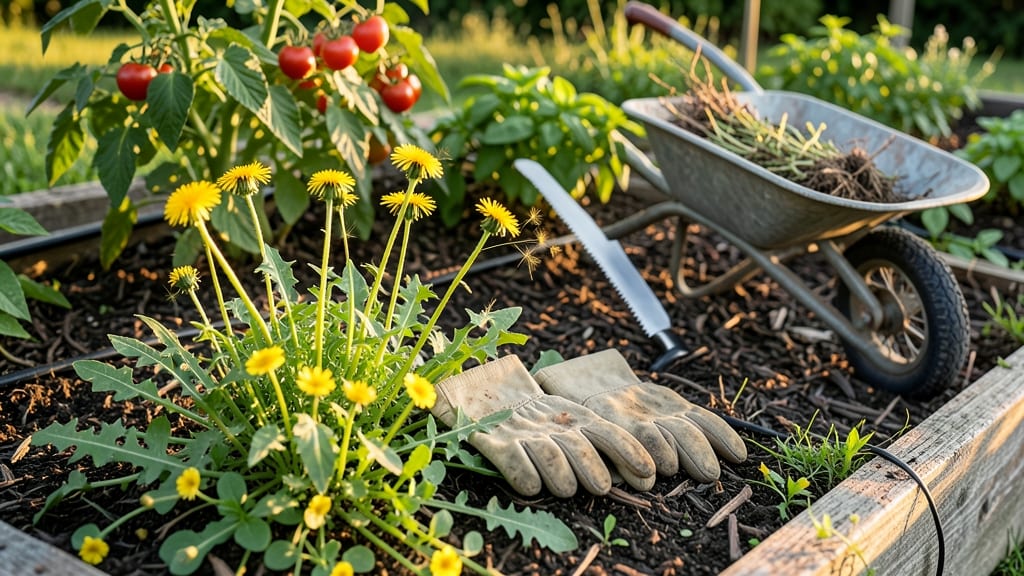
Big leafy weeds are the uninvited guests that steal your garden’s spotlight—and your plants’ nutrients. 🌱 I’ve spent years wrestling with dandelions, creeping Charlie, and other leafy invaders, and I’ll show you how to turn them from pests into soil boosters in just three steps.
The key? Knowing which weeds to yank, when to mulch, and how to keep them from staging a comeback.
Most big leafy weeds—like lamb’s quarters, purslane, or chickweed—aren’t all bad. They’re packed with nitrogen and minerals, but they’ll outcompete your veggies and flowers if left unchecked. The trick is timing: pull them before they seed, mulch to smother new sprouts, and compost the greens to feed your soil later.
No chemicals, no regrets—just a cleaner, more productive garden.
By the end, you’ll spot weeds faster than ever, remove them efficiently, and even repurpose them to improve your soil. No more wasting energy on stubborn pull sessions—just a foolproof system that works for any yard, from raised beds to flower patches.
Let’s reclaim your garden, one leaf at a time.
This method works year-round, but spring and fall are the best times to tackle weeds before they spread. Whether you’re dealing with a small patch or a full-blown jungle, these steps will keep your garden thriving—and your weeds under control. Ready to turn drama into dirt gold?
The Hidden Triggers Behind Unwanted Growth
If your garden is suddenly overrun with big leafy weeds—like dandelions, lamb’s quarters, or creeping Charlie—it’s not just bad luck. These plants thrive because of specific conditions your yard might be unintentionally providing.
Understanding the root causes (literally!) helps you tackle the problem at its source. Here’s why these green invaders take over—and how to flip the script.
Weeds love water, and if your soil stays soggy, you’re basically inviting them to throw a party. Why? Most big-leafed weeds (like plantain or purslane) germinate quickly in damp soil and outcompete slower-growing grasses or flowers. Poor drainage also weakens desirable plants, leaving gaps for weeds to fill.
- 🔍 Signs: Puddles after rain, mushrooms popping up, or soil that feels squishy even a few inches down.
- 💡 Fix it:
- Test your soil’s drainage—dig a 12-inch hole, fill it with water, and time how long it takes to drain. If it’s slower than 4 hours, amend with compost or sand.
- Install French drains or swales to redirect water away from problem areas.
- Choose drought-tolerant plants that can handle occasional dry spells, reducing weed-friendly moisture.
Big leafy weeds don’t just thrive in one light condition—they’re opportunists. Sun-lovers like pigweed and shade-tolerant species such as ground ivy exploit gaps in your landscape.
If your lawn or garden has uneven sunlight (e.g., tall trees casting shifting shadows), weeds fill the "Goldilocks zone"—not too bright, not too dark, but just right for their growth.
- 🔍 Signs:
- Weeds clustered under tree canopies (shade-lovers).
- Bare patches in full sun where grass refuses to grow (sun-lovers winning).
- 💡 Fix it:
- For shady areas: Mulch heavily (3–4 inches) with wood chips or shredded leaves to block light and suppress weeds.
- For sunny spots: Overseed with dense, competitive grasses like tall fescue or clover to outcompete weeds.
- 🌿 Pro tip: If you’re planting new beds, choose native perennials—they establish faster and crowd out weeds before they get a foothold.
Weeds are nature’s way of filling empty space. If your lawn has thin patches or your garden beds are bare between plants, big leafy weeds swoop in to claim nutrients and sunlight. Even a single square foot of exposed soil can become a weed factory if left unchecked.
- 🔍 Signs:
- Weeds sprouting in freshly tilled or disturbed soil.
- Lawn grass turning yellow or pulling up easily (a sign of poor health).
- 💡 Fix it:
- 🔥 For lawns: Aerate in fall, overseed with a mix of grasses, and fertilize with slow-release nitrogen to strengthen roots.
- 🍳 For garden beds: Use pre-emergent mulch (like straw or pine needles) to block light and smother weed seeds before they sprout.
- ✨ Pro tip: Plant living mulches like creeping thyme or clover between perennials—they suppress weeds while adding pollinator benefits.
Here’s a counterintuitive truth: Too much fertilizer can cause weeds. When you dump synthetic nitrogen or phosphorus into the soil, weeds like bindweed or crabgrass go into overdrive, while your desired plants may struggle to keep up.
Additionally, if your soil lacks organic matter, weeds dominate because they’re better at scavenging nutrients.
| Weed Type | Why They Love Fertilizer | How to Outsmart Them |
|---|---|---|
| Broadleaf weeds (dandelions, plantain) | Thrive on high nitrogen, which makes them grow faster than grasses. | Use slow-release organic fertilizers (like compost or worm castings) to feed soil gradually. |
| Grassy weeds (crabgrass, nutsedge) | Germinate in response to soil warming + excess nitrogen. | Apply pre-emergent herbicide in early spring (or use corn gluten meal as a natural barrier). |
| Vines/climbers (morning glory, bindweed) | Spread aggressively in nutrient-rich, disturbed soil. | Test soil pH (aim for 6.0–7.0) and amend with compost to improve structure. |
💡 Pro tip: Conduct a soil test before fertilizing—many weeds exploit imbalances you might not notice. Local extension offices often offer cheap testing kits!
Once you identify which of these factors is fueling your weed problem, you can starve them out instead of playing whack-a-mole. The key? Break their conditions—drainage, light, competition, and nutrients—before they break your garden.
Tame Your Overgrowth Naturally
Big leafy weeds can feel like an unwinnable battle—but they’re not. With the right approach, you can reclaim your garden without harsh chemicals or endless backbreaking work. Below, we break down cause-specific solutions to stop weeds in their tracks and prevent them from staging a comeback.
If your garden is a sunbather’s paradise, weeds like lamb’s quarters and pigweed thrive. The fix? Outsmart them with shade.
- 🔥 Mulch Like a Pro Spread 3–4 inches of organic mulch (straw, wood chips, or shredded leaves) around plants. This blocks sunlight, starving weeds of energy while keeping soil moist. Pro tip: Refresh mulch every 3–6 months to maintain effectiveness.
- 🍳 Plant a Living Barrier Crowd out weeds by planting dense ground covers (creeping thyme, clover, or hostas) or tall perennials (coneflowers, black-eyed Susans). Their roots compete for nutrients, leaving weeds no room to grow.
- 👨🍳 DIY Row Covers For vegetable beds, use lightweight fabric row covers in early spring to suppress weeds before planting. Remove when crops are established.
💡 Prevention: Rotate crops yearly to disrupt weed life cycles and avoid planting the same sun-loving veggies in the same spot.
Weeds like dandelions and chickweed love damp soil. If your garden stays soggy, the solution is simple: control moisture.
- 🔪 Improve Drainage Amend heavy clay soil with compost or sand to help water drain faster. Raised beds also work wonders for root crops and shallow plants.
- 🥘 Hand-Pull When Soil is Dry Wait for a sunny, dry day—weeds pull out cleaner when the soil is firm. Use a weed popper or hula hoe to slice roots before they regrow.
- ⏰ Water Deeply, Less Often Encourage deep root growth in your plants by watering early in the morning (1–2 inches per week). Weeds, with shallow roots, struggle to compete.
🌡️ Prevention: Install French drains or swales in low-lying areas to redirect excess water.
Weeds steal nutrients from your veggies and flowers. Give your plants the upper hand with smart fertilization.
- 💪 Use Slow-Release Fertilizer Apply compost, worm castings, or balanced organic fertilizer (like 10-10-10) in early spring. This feeds your crops steadily, leaving weeds nutrient-starved.
- 🥗 Interplant with Weed-Suppressing Crops Pair fast-growing radishes or lettuce with slower tomatoes—they’ll shade the soil and outcompete weeds before they take over.
- 🎯 Vinegar Spray (Spot Treatment Only) For stubborn weeds in pathways, mix 1 gallon of vinegar + 1 oz dish soap + 1 cup salt. Spray directly on leaves (avoid desirable plants—it’s non-selective!). Repeat weekly until dead.
✨ Prevention: Mulch heavily (5+ inches) to lock in moisture and nutrients, making it harder for weeds to germinate.
The best defense? A weed-free garden from day one.
- 🛡️ Solarize Bare Soil In hot climates, cover bare soil with clear plastic for 4–6 weeks. The sun bakes weed seeds into oblivion.
- 🔍 Remove Seeds Before They Germinate Walk your garden weekly and pull weeds before they flower—this cuts off their seed production.
- 🌱 Plant Dense, Healthy Crops Healthy plants naturally suppress weeds by shading the soil. Use close-spaced plantings (like carrots or beets) to leave no gaps.
Final Thought: Weeds aren’t the enemy—they’re just opportunists. By adjusting sunlight, water, and nutrients, you’ll turn your garden into a weed-resistant fortress. Start with one fix today, and watch your green space transform!
Frequently asked questions
Can big leafy weeds actually benefit my garden?
Yes! Many big leafy weeds like lamb’s quarters and dandelions are packed with nutrients. When composted, they add organic matter and nitrogen to your soil. Just remove them before they go to seed to prevent spreading.
How do I tell the difference between weeds and edible greens?
Look at leaf shape and growth patterns. Edible greens (like spinach) have smooth edges and grow in clusters, while weeds often have jagged edges or grow in random patterns. When in doubt, research or consult a local gardening expert before eating.
What’s the best time of day to pull weeds?
Early morning is ideal—soil is moist but not muddy, making weeds easier to remove. Avoid pulling after rain when soil is too wet, as this can break roots and leave gaps for more weeds to grow.
Will mulch really stop weeds from growing?
A thick layer of 3–4 inches of mulch blocks sunlight, which weeds need to grow. Organic mulches (like straw or wood chips) also break down over time, improving soil health while suppressing weeds.
What’s the fastest way to kill stubborn weeds like bindweed?
For persistent weeds, use a vinegar-based spray (1 gallon vinegar + 1 oz dish soap) or smother them with cardboard + mulch. These methods work best when applied directly to the leaves and repeated weekly.