
Leaf Blower
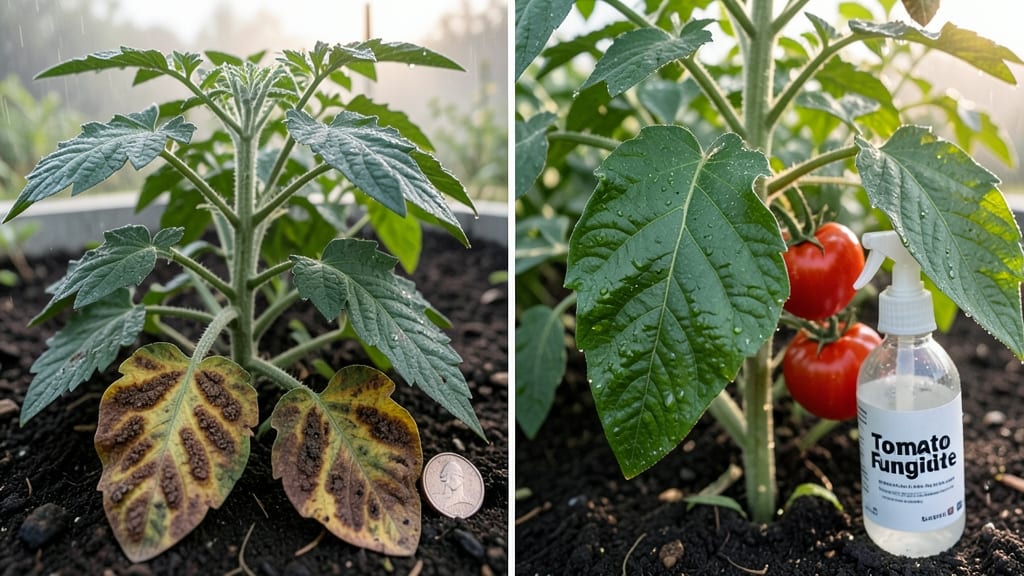
That unsightly brown leaf spot on your tomatoes or lawn isn’t just cosmetic—it’s a fungal infection that spreads fast. ✨ I’ve battled this stubborn problem for years, and copper spray isn’t just a cure; it’s the fastest way to stop it before it ruins your plants.
The key is acting early and treating it right.
This fungus thrives in warm, wet conditions, turning leaves into a crinkled mess. Tomatoes, lawns, and even ornamentals like roses are common targets. The good news? Copper spray works by disrupting fungal cell walls, and it’s safe for most plants when used correctly.
You’ll need to spray at the first sign of spots—before they spread to new leaves.
Within 7-10 days of proper treatment, you’ll see fresh green growth pushing out, and the spots will stop spreading. The trick is consistency: spray every 7-10 days during humid weather, and always water at the base (not overhead) to keep leaves dry.
Preventive sprays in spring can save you a world of trouble later.
Works for vegetables, lawns, and shrubs alike—just adjust the concentration based on the plant. Here’s how to do it right without overdoing it.
Understanding The Root Causes
Brown leaf spot isn’t just a random nuisance—it’s a fungal party crashers in your garden, and understanding why it shows up is the first step to kicking it out for good. 🌱🚫 This stubborn problem thrives when certain conditions align, often leaving plant leaves looking like they’ve been hit with a coffee stain.
Let’s break down the science behind its sneaky invasion, so you can outsmart it before it spreads.
Fungal pathogens like Cercospora or Alternaria (common culprits behind brown leaf spot) are opportunistic. They lie dormant in soil, debris, or even on plant surfaces until conditions become just right—think 75–85°F (24–29°C) with high humidity. Here’s how it works:
- Moisture is their lifeline: Fungal spores need free water (not just soil moisture) to germinate. Heavy dew, frequent rain, or overhead watering creates the perfect petri dish on leaf surfaces.
- Slow-drying leaves = fungal buffet: Plants with thick canopies (like tomatoes, beans, or turfgrass) trap humidity, giving spores 24–48 hours of ideal growing conditions. Pro tip: If leaves stay wet past dawn, spores wake up hungry! 🌧️🍃
- Heat accelerates the party: Warmth speeds up fungal metabolism. That’s why brown spots often explode in late summer—spores multiply faster, and plants are already stressed from heat.
Actionable fix: Water plants early in the day (before 10 AM) to allow foliage to dry by evening. Use drip irrigation or soaker hoses to avoid wetting leaves. If humidity is relentless, consider a fan to improve air circulation around susceptible plants.
Healthy plants resist fungal infections, but stress opens the door. Brown leaf spot thrives when plants are already struggling due to:
| Stress Factor | How It Helps Fungi |
|---|---|
| Nutrient deficiencies (especially nitrogen or potassium) | Weak cell walls make it easier for fungal hyphae to penetrate leaves. |
| Overcrowding (poor spacing or dense foliage) | Reduces airflow, trapping moisture and spores on leaves. |
| Physical damage (hail, insects, or poor pruning) | Open wounds let spores directly invade plant tissue. |
| Drought or overwatering | Both disrupt root health, weakening the plant’s immune response. |
Actionable fix: Conduct a soil test to check nutrient levels and amend with compost or balanced fertilizer. Prune plants for open airflow (aim for 12–24 inches between branches). If using mulch, keep it 2–3 inches away from stems to prevent fungal buildup.
Fungal spores are persistent. They can survive in soil for years and hitchhike on:
- Old plant debris: Leaving infected leaves or stems in the garden lets spores re-infect new growth.
- Reused tools: Pruners, rakes, or even gloves contaminated with spores can transfer the fungus to healthy plants.
- Compost piles: If compost isn’t hot enough (140°F+), spores survive and spread when you use the finished product.
Actionable fix: Sterilize tools with a 10% bleach solution (1 part bleach to 9 parts water) or rubbing alcohol between uses. Remove and dispose of infected plant material (don’t compost it!). For severe cases, consider solarizing soil (covering it with clear plastic for 4–6 weeks in summer to kill spores).
Some plants are magnets for brown leaf spot due to their genetics or leaf structure. Common high-risk plants include:
- Tomatoes (especially heirloom varieties)
- Beans and peas (thin leaves trap moisture)
- Turfgrass (St. Augustine, centipede, and Bermuda are prone)
- Peppers and eggplants (similar fungal pathogens attack them)
- Ornamentals like impatiens and geraniums
Actionable fix: Choose resistant varieties (e.g., ‘Celebrity’ tomatoes or ‘Tifway’ grass). Rotate crops yearly to break the fungal cycle. If you’re growing susceptible plants, monitor them closely during peak fungal season (late summer) and act fast at the first sign of spots.
Quick Fixes for Fungal Foliage Foes
Got unsightly brown spots ruining your plants? Don’t panic—these targeted fixes will help you reclaim healthy, vibrant leaves fast. Below, we’ve mapped common causes to practical solutions, so you can act with confidence.
Fix: Improve airflow and adjust your watering routine.
- 🔥 Step 1: Water only when the top 1-2 inches of soil are dry. Stick your finger in—if it’s damp, wait.
- 👨🍳 Step 2: Prune overcrowded branches to boost airflow. Aim for 3-6 inches of space between plants.
- 🌡️ Step 3: If soil is soggy, mix in compost or perlite to improve drainage. For container plants, ensure pots have drainage holes.
Prevention Tip: 💡 Use a moisture meter to avoid guesswork—overwatering is the #1 cause of fungal spread!
Fix: Copper spray is your secret weapon—but combine it with these steps for best results.
- ⏰ Step 1: Apply copper fungicide spray (like copper sulfate or tribasic copper sulfate) at dawn or dusk when humidity is high. Follow label rates—typically 1 tbsp per gallon of water.
- 🔪 Step 2: Remove all infected leaves (bag and toss them—don’t compost!). Sterilize pruners with rubbing alcohol between cuts.
- 🌱 Step 3: Water at the base, not overhead, to keep leaves dry. Use a soaker hose for deep hydration without wetting foliage.
Pro Tip: ✨ Prevent recurrence by spraying copper preventatively every 2-3 weeks during rainy seasons or high humidity.
Fix: Shield plants and adjust care.
- 🌿 Step 1: Move plants to partial shade (especially young or tropical varieties). Use shade cloth (30-50%) if full sun is unavoidable.
- 💦 Step 2: Increase humidity for heat-loving plants (like ferns or calatheas) with a pebble tray or humidifier.
- 🍃 Step 3: Mulch around the base with straw or wood chips to retain moisture and regulate soil temperature.
Hot Tip: 🌡️ Morning watering reduces evaporation—do it before 10 AM for maximum benefit.
Fix: Strengthen defenses and eliminate pests.
- 🐜 Step 1: Inspect for aphids, mites, or thrips (common culprits). Blast them off with a strong spray of water or use neem oil (1 tsp per quart of water).
- 🌱 Step 2: Introduce beneficial insects like ladybugs or lacewings to control pests naturally.
- 💪 Step 3: Fertilize lightly with a balanced, organic fertilizer (like fish emulsion) to boost plant resilience.
Prevention Tip: 🎯 Quarantine new plants for 2 weeks before adding them to your garden to avoid introducing pests.
Remember: Consistency is key! Combine these fixes with regular monitoring—catch brown spots early, and your plants will bounce back faster. 🌿✨
Frequently asked questions about brown leaf spot
What are the first signs of brown leaf spot I should watch for?
Look for small, dark brown or black spots with yellow halos on leaves—often appearing first on older foliage. These spots may have concentric rings or a velvety texture. If you see them, act fast: prune infected leaves immediately and apply copper fungicide within 24 hours to prevent spread.
Can I save my plants if brown spots are already spreading?
Yes, but you’ll need aggressive action. Remove all infected leaves (don’t compost them!) and apply copper spray every 7-10 days for 3-4 weeks. Improve airflow by pruning and water at the base only. For severe cases, consider a systemic fungicide like myclobutanil—it penetrates plant tissues for deeper protection.
Why does copper spray sometimes fail to work?
Copper spray works best when applied preventatively or at the first sign of spots. Failures often happen because: (1) leaves stayed wet too long after spraying (spores need moisture to germinate), (2) the concentration was too low, or (3) you didn’t remove infected foliage first. Always spray in the evening when humidity is high but leaves will dry by morning.
Are there organic alternatives to copper spray?
Try these organic options: (1) Baking soda spray (1 tbsp baking soda + 1 tsp oil + 1 tsp soap per gallon of water), (2) Neem oil (1 tsp per quart), or (3) Milk spray (1 part milk to 9 parts water). These disrupt fungal growth but may require more frequent applications (every 5-7 days) than copper.
How do I know if my lawn has brown leaf spot vs. drought stress?
Check the roots—drought-stressed grass has dry, brittle roots, while brown spot leaves show dark spots with yellow borders and may have a musty smell when wet. Water deeply in the morning for 2-3 weeks to see if it’s drought: if spots persist, it’s likely fungal. For lawns, use a fungicide with propiconazole for fast results.