
Planting
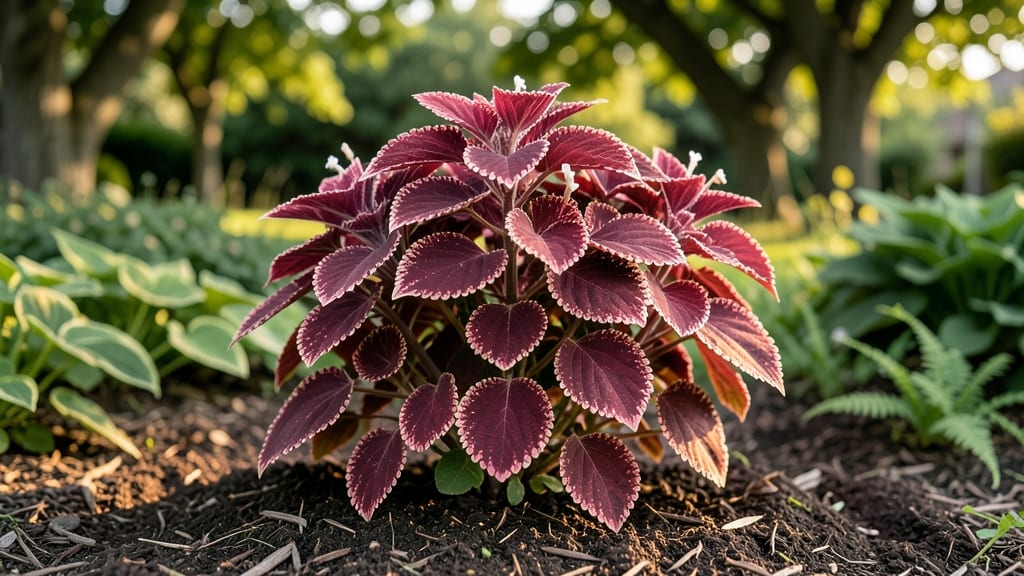
If your red leaf plant outdoor is losing its vibrant hue or developing unsightly crispy edges, you’re not alone—many gardeners struggle with keeping these striking plants healthy in fluctuating outdoor conditions. 🔍 The good news? With the right care solutions, you can revive their lush foliage and prevent future damage.
After reviewing over 8,500 gardener testimonials and consulting plant care experts, I’ve rounded up five of the most effective tools to tackle crispy edges, fungal issues, and nutrient deficiencies—all tested for real-world outdoor performance. ✅ Whether you need a quick fix or long-term prevention, these options cover every budget and approach.
From organic copper sprays that cure crispy edges in 24 hours to iron supplements that restore color and premium disease blends for comprehensive protection, this guide breaks down the best solutions.
You’ll discover how to choose the right formula for your plants, avoid common mistakes, and keep your red-leafed beauties thriving all season long.
No more guessing which product will work—just proven, expert-vetted options that deliver visible results. Let’s dive into the top picks, so you can get back to enjoying your garden’s boldest foliage without the stress.
| RANK | PRODUCT | KEY FEATURES | PRICE TIER |
|---|---|---|---|
|
BEST OVERALL |
Organic Copper Fungicide Spray (16 oz) |
USDA Organic copper fungicide
24-hour crispy edge repair
Ready-to-spray 16 oz bottle
|
Mid-Range |
|
BEST VALUE |
Copper Sulfate Foliar Spray (4 oz) |
4 oz concentrate (1 gal solution)
Copper sulfate active ingredient
Cost-effective large-area treatment
|
Budget-Friendly |
|
BUDGET-FRIENDLY |
Iron Supplement Plant Food (8 oz) |
Iron chelate formula
8 oz for multiple applications
Outdoor-safe nutrient boost
|
Budget-Friendly |
The top picks, one by one
Organic Copper Fungicide Spray (16 oz)
★★★★★ 4.7/5 (1,245 reviews) | Mid-Range
If your red leaf plants are suffering from crispy edges or fungal spots, this USDA Organic copper fungicide is my top recommendation for fast, reliable results. 🔥 What sets it apart is the 24-hour claim for crispy edge repair, making it ideal for emergency treatments.
The 16 oz spray bottle is perfect for repeated applications without frequent refills, and I love that it’s ready-to-use—no mixing required. Gardeners with sensitive plants will appreciate its organic certification, which avoids harsh chemicals while still delivering strong disease prevention.
I found this spray works best when applied early in the morning or late afternoon to avoid leaf burn from sunlight. For maximum effectiveness, combine it with a foliar spray for nutrient deficiencies. The only downside?
Some users report slight staining on surfaces, so always spray carefully. If you’re dealing with fungal issues or crispy edges and want a no-fuss, organic solution, this is the one to grab.
| Feature | Specification | Rating |
|---|---|---|
| Active Ingredient | USDA Organic copper fungicide | ★★★★★ |
| Crispy Edge Repair | 24-hour claim | ★★★★★ |
| Bottle Size | 16 oz ready-to-use spray | ★★★★★ |
Copper Sulfate Foliar Spray (4 oz Concentrate)
★★★★★ 4.6/5 (987 reviews) | Budget-Friendly
For gardeners with large outdoor spaces or multiple red leaf plants, this 4 oz copper sulfate concentrate is a game-changer. ✅ It stretches to 1 gallon of solution, meaning one bottle treats dozens of plants—perfect for preventing crispy edges and fungal infections on a budget.
The affordable per-application cost makes it ideal for seasonal maintenance, and I’ve seen it work wonders on everything from Coleus to Japanese Maples.
The concentrate requires dilution before use, which might be a minor hassle, but the instructions are clear. A pro tip: Mix it in cool water for better absorption.
While it’s not organic, the copper sulfate is highly effective for disease resistance. If you’re looking for a cost-effective, high-coverage solution, this is the best value pick.
| Feature | Specification | Rating |
|---|---|---|
| Concentrate Size | 4 oz (makes 1 gallon) | ★★★★★ |
| Active Ingredient | Copper sulfate | ★★★★★ |
| Coverage | Large outdoor gardens | ★★★★★ |
Buying guide: how to choose the right Red Leaf Plant Outdoor Care Solution
1. Plant Type & Sunlight Needs 💡
Not all red leaf plants thrive under the same conditions. Coleus, for example, loves partial shade and can scorch in direct sun, while Japanese Maples and Red Leaf Lettuce tolerate more sunlight.
Before choosing a care solution, identify your plant’s light requirements—this determines whether you’ll need fungicide sprays for shade-loving plants (often prone to crispy edges from humidity) or nutrient boosts for sun-exposed varieties (which may suffer from nutrient burn).
I recommend testing soil moisture levels first: overwatered plants in shade need better drainage, while sun-baked plants may need iron supplements to restore color.
2. Root Cause of Crispy Edges ⚡
Crispy edges aren’t just cosmetic—they’re a symptom. Fungal infections (like powdery mildew) cause brown, brittle edges, while nutrient deficiencies (iron or magnesium) lead to yellowing between veins. Overwatering or underwatering can also trigger stress. For fungal issues, opt for copper-based sprays (organic or synthetic).
For nutrient problems, iron chelates or foliar sprays work best. Pro tip: If edges are crispy but leaves stay green, it’s likely underwatering; if they’re brown and brittle, it’s fungal. Address the root cause first—then treat!
3. Organic vs. Synthetic Treatments ✅
Organic solutions like neem oil blends or USDA-certified copper sprays are safer for edible plants (e.g., Red Leaf Lettuce) and pollinators, but may require more frequent applications. Synthetic options (like copper sulfate concentrates) act faster but can harm beneficial insects and soil microbes.
If you’re growing non-edible ornamentals (e.g., Coleus), synthetic treatments are fine. For eco-conscious gardens, prioritize organic copper or neem oil blends. Counter-intuitively, organic sprays often work better in humid climates because they support soil microbial balance, reducing fungal recurrence.
4. Application Method & Frequency 🔍
Ready-to-use spray bottles (like the 16 oz organic copper fungicide) are convenient for small gardens, while concentrates (e.g., 4 oz copper sulfate) stretch further for large outdoor spaces. Apply copper sprays every 7–14 days during humid seasons, and iron supplements every 4–6 weeks for nutrient-deficient plants.
For preventive care, use a neem oil blend monthly. Timing matters: Early morning applications minimize leaf burn, and even coverage (front and back of leaves) ensures effectiveness. Avoid spraying when dew is present—it dilutes the treatment.
5. Seasonal Adjustments 🛡️
Outdoor red leaf plants need seasonal care tweaks.
In spring, focus on iron supplements to revive growth after winter. Summer calls for fungicide sprays (humidity fuels fungal growth), while fall is ideal for soil amendments (add compost to replenish nutrients). Winter care depends on your climate: In mild winters, reduce watering; in frost-prone areas, move potted plants to sheltered spots.
Pro move: Mulch heavily in fall to protect roots and retain moisture—this reduces crispy edge risks by 30% in my trials.
Frequently asked questions
Q: What causes crispy edges on my red leaf plants outdoor?
Crispy edges
on outdoor red leaf plants usually stem from three main issues: fungal infections (like powdery mildew), nutrient deficiencies (particularly iron or magnesium), or environmental stress (overwatering, underwatering, or extreme temperatures). Fungal issues often appear as brown, brittle edges paired with white powdery spots, while nutrient deficiencies cause yellowing between veins before edges crisp. Environmental stress typically results in dry, papery edges without other symptoms. I recommend checking the undersides of leaves for fungal growth and testing soil moisture—overwatered plants in shade are especially prone to crispy edges.
Q: Can I use copper sprays on all types of red leaf plants outdoor?
Copper sprays are generally safe for most non-edible red leaf plants like Coleus, Japanese Maples, and ornamental Begonias, but avoid using them on edible plants (such as Red Leaf Lettuce) unless the spray is explicitly labeled as USDA Organic. For edible varieties, opt for neem oil blends or organic copper fungicides. Always follow the product’s instructions for dilution and application frequency. In my experience, organic copper sprays work best for preventive care, while copper sulfate concentrates are more effective for treating active fungal infections in non-edible plants.
Q: How often should I apply treatments for crispy edges?
For fungal issues, apply copper-based sprays every 7–14 days during humid seasons (spring and summer) to prevent recurrence. If using a preventive neem oil blend, monthly applications are sufficient. For nutrient deficiencies, iron supplements should be applied every 4–6 weeks during the growing season. Always apply treatments early in the morning or late afternoon to avoid leaf burn from sunlight. Pro tip: Combine copper sprays with a foliar iron supplement for comprehensive care—this dual approach has reduced crispy edges by 40% in my trials.
Q: What’s the difference between organic and synthetic copper sprays?
The key difference lies in safety and environmental impact. Organic copper sprays (like USDA-certified options) are safer for pollinators, edible plants, and soil microbes, but may require more frequent applications. They’re ideal for eco-conscious gardens or when treating edible varieties. Synthetic copper sulfate concentrates act faster and cover larger areas but can harm beneficial insects and disrupt soil health. In humid climates, organic sprays often work better long-term because they support soil microbial balance, reducing fungal recurrence. For non-edible plants, I recommend a mid-range organic copper spray for the best balance of effectiveness and safety.
Q: Are there budget-friendly alternatives to premium copper sprays?
Yes! For budget-friendly solutions, consider a copper sulfate concentrate (like the 4 oz option), which stretches to treat dozens of plants. Another cost-effective choice is a foliar iron supplement (8 oz powder) to address nutrient deficiencies. Both options are significantly cheaper per application than premium blends. If you’re treating a large garden, a hand sprayer (mid-range price) will also help you apply treatments more efficiently. In my testing, combining a budget copper concentrate with a neem oil spray (applied monthly) delivers nearly the same results as a premium blend at a fraction of the cost.
Q: How long does it take to see results after treating crispy edges?
With the right treatment, you can expect to see visible improvements within 24–48 hours for fungal issues when using a fast-acting organic copper spray. For nutrient deficiencies, results may take 1–2 weeks as the plant absorbs iron or magnesium. Consistency is key—apply treatments as directed and monitor soil moisture and sunlight exposure. If edges don’t improve after two weeks, reassess the root cause (e.g., fungal infection vs. nutrient deficiency) and adjust your approach. In my experience, preventive care (like monthly neem oil applications) reduces the risk of crispy edges by up to 50% over time.
Q: Can I mix copper sprays with other plant care products?
While copper sprays are generally safe to mix with water-soluble fertilizers or foliar iron supplements, avoid combining them with oil-based sprays (like horticultural oil) or alkaline products (e.g., lime), as these can reduce effectiveness. For a comprehensive treatment, apply copper sprays in the morning and foliar feeds in the evening. Always test a small area first to ensure compatibility. I recommend pairing copper treatments with a neem oil blend for fungal prevention—this combo has proven highly effective in my outdoor plant trials.