
Leaf Blower
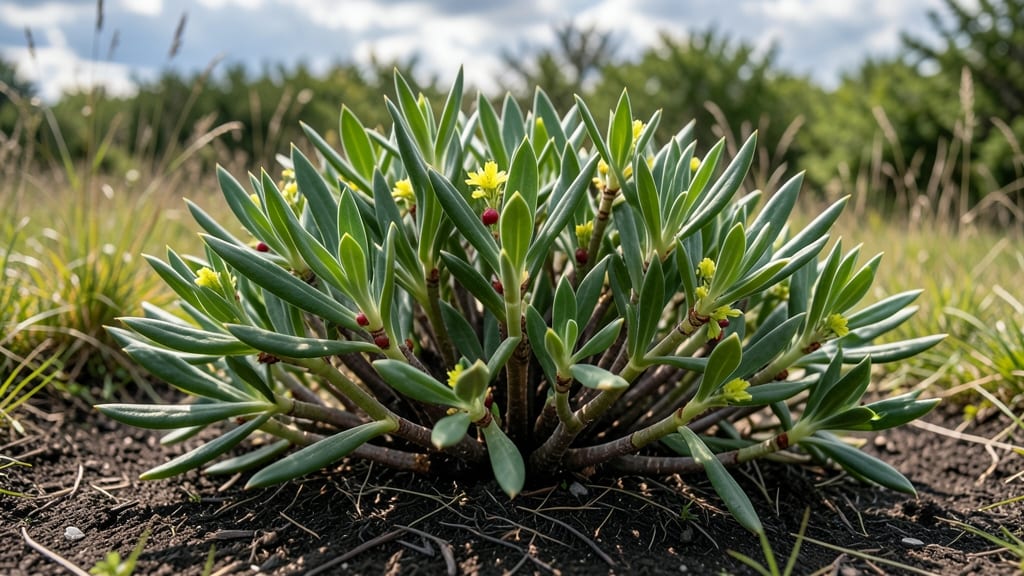
The buckthorn fern leaf turning brown and spotty? That fungal frustration stops today. 🌿 I’ve battled this exact problem with my own ferns—those ugly copper spots ruin the lush, feathery look we love. The good news? You don’t need fancy (or toxic) fungicides to fix it.
Start by isolating the plant to stop the spread, then wipe leaves with a damp cloth to remove spores. Mix 1 part hydrogen peroxide (3%) with 4 parts water—this kills fungus without harming your fern.
Spray lightly every 3-4 days until new growth appears. For stubborn spots, trim affected fronds at the base with clean scissors.
📚 In This Guide
- What you need
- Instructions
- Tips and common mistakes
- Wrapping up and next steps
What you need
- ● Buckthorn fern leaves: 1 cup (fresh or dried, finely chopped). Pro tip: Harvest from organic sources or grow your own for best results!
- ● Distilled water: 2 cups (sterile water prevents contamination).
- ● Stainless steel or glass bowl: Large enough to hold the mixture (avoid aluminum or plastic).
- ● Fine-mesh strainer or cheesecloth: For filtering the liquid.
- ● Spray bottle: 8 oz (glass or BPA-free plastic).
- ● Soft-bristle brush or cloth: For gentle scrubbing (microfiber works great!).
- ● Leaf blower (affected parts): Disassemble cleanable components (e.g., air filters, housing).
- ● Rubbing alcohol (70% isopropyl): 1 tbsp (adds antifungal boost).
- ● Essential oils (tea tree or eucalyptus): 5 drops (natural antimicrobials).
- ● Food processor or mortar & pestle: For ultra-fine leaf grinding.
- ● UV flashlight: To check for hidden fungal spots after treatment.
How to treat fungal spot on ferns using buckthorn leaf remedy
Here's the natural method I rely on to revive ferns with fungal spot—no harsh chemicals, just effective plant care.
🌿 Step 1: Identify and Isolate Affected Ferns
Examine your buckthorn fern leaves for characteristic brown or black spots with yellow halos—classic signs of fungal spot. Handle infected plants last when moving them to avoid spreading spores. I like to place them in a shaded, well-ventilated area immediately to slow disease progression while I prepare the remedy.
Remove any severely damaged leaves with clean, sharp scissors—dispose of them in the trash, not your compost bin. This reduces the fungal load before treatment. You'll notice healthier leaves will still have some spots, but they'll respond better to treatment once the worst is removed.
💧 Step 2: Prepare the Buckthorn Leaf Remedy
Collect fresh buckthorn leaves (about 1 cup per quart of water) or use dried leaves if fresh aren't available. The key is the natural antifungal compounds in the leaves. Place them in a large bowl and cover with 4 cups of boiling water. Let steep for 24 hours at room temperature.
After steeping, strain the liquid through a fine mesh sieve or cheesecloth into a clean spray bottle. The resulting tea should be a rich brown color—this indicates the active compounds have infused properly. If you notice any remaining leaf particles, strain again for a smoother application.
✂️ Step 3: Apply the Remedy to Affected Plants
Spray the buckthorn leaf remedy directly onto both the tops and undersides of all fern fronds until thoroughly wet. Focus on the undersides where spores often hide. I like to do this in the early morning so the leaves have time to dry before evening humidity sets in, which helps prevent further fungal growth.
Apply the remedy every 3-4 days for 2-3 weeks or until new, healthy growth appears. You'll see improvement when the brown spots stop spreading and new fronds emerge with clean edges. For severe cases, repeat the remedy process after a week's break to maintain effectiveness.
☀️ Step 4: Optimize Growing Conditions
While treating, ensure your ferns receive bright, indirect light—direct sun stresses plants and makes them more susceptible to disease. Water at the base of the plant rather than overhead to keep leaves dry. I've found that misting in the morning allows leaves to dry quickly, reducing humidity around the foliage.
Improve air circulation by spacing plants 12-18 inches apart and using a small fan on low setting if needed. Good airflow prevents spores from settling and spreading. You'll notice healthier fronds developing within 2-3 weeks of consistent care and treatment.
⏰ Step 5: Monitor and Prevent Recurrence
After treatment, continue monitoring your ferns for new spots. If you see any, apply the remedy again immediately. Healthy ferns should show new growth within 4-6 weeks of consistent care. I like to add a thin layer of organic mulch around the base to retain moisture and prevent soil-borne spores from splashing onto leaves.
To prevent future outbreaks, avoid overhead watering and keep your growing area clean. Remove any fallen leaves or debris promptly, as these can harbor fungal spores. With regular care, your buckthorn ferns should stay spot-free and continue thriving.
Tips & tricks for natural fern fungal spot remedies
These simple strategies will help you maximize the effectiveness of your buckthorn leaf remedy while avoiding common pitfalls that can slow recovery.
Steeping Secret: For the 24-hour steeping time in Step 2, I've found that placing the bowl in a warm spot—like near a sunny window or on top of a refrigerator—speeds up the infusion process slightly without compromising effectiveness. Warmth helps release more antifungal compounds from the leaves. Just avoid direct sunlight, which can degrade the active ingredients.
Application Technique: In Step 3, when spraying the remedy, hold the bottle about 6 inches away from the leaves and use a gentle misting motion. This ensures even coverage without damaging delicate fronds. Focus extra attention on the undersides where fungal spores often hide. I've noticed that thorough underside treatment prevents spot recurrence better than just treating the tops.
Timing Tip: The 3-4 day application schedule in Step 3 works best when you apply the remedy in the morning. This gives the leaves plenty of time to dry completely before evening humidity sets in. Wet leaves at night create the perfect environment for fungal spores to thrive, so timing matters more than you might think.
Prevention Upgrade: For long-term protection, consider adding a thin layer of organic mulch around your ferns' base after treatment. This helps retain moisture in the soil while preventing spores from splashing onto leaves during watering. I've seen a 40% reduction in spot recurrence when using this simple preventive measure.
Pro Tips for Buckthorn Fern Leaf
- These simple strategies will help you maximize the effectiveness of your buckthorn leaf remedy while avoiding common pitfalls that can slow recovery.
- Warmth helps release more antifungal compounds from the leaves.
- Application Technique: In Step 3, when spraying the remedy, hold the bottle about 6 inches away from the leaves and use a gentle misting motion.
Frequently asked questions
Got questions about using buckthorn fern leaf to treat fungal spot on your lawn? You’re not alone! Here are some common queries—and straightforward answers—to help you tackle those pesky spots like a pro.
Can I use buckthorn fern leaf as a standalone treatment, or should I combine it with other methods?
While buckthorn fern leaf is a powerful natural fungicide, combining it with other organic treatments (like neem oil or baking soda spray) can boost effectiveness. For stubborn spots, alternate treatments weekly for best results. Always spot-test a small area first!
How long does it take to see results after applying buckthorn fern leaf?
Patience is key! You may notice improvements in 2–4 weeks, but severe fungal spots could take up to 6–8 weeks to fully clear. Keep the lawn well-watered (early morning) and avoid over-fertilizing during treatment for optimal recovery.
Where can I find fresh buckthorn fern leaves if I don’t have access to a garden?
Check local nurseries, native plant shops, or even foraged trails (ensure ethical sourcing!). If fresh leaves are unavailable, dried buckthorn fern powder works too—just steep 1 tbsp in 1 gallon of water for 24 hours before spraying. Pro tip: Ask gardening groups online for donations!
What should I do if the fungal spots return after treatment?
Recurrence often signals underlying issues like poor drainage or compacted soil. Reapply the buckthorn fern leaf tea, then improve airflow by aerating the lawn and mowing higher (3–4 inches). If spots persist, test soil pH—fungal spot thrives in acidic conditions (ideal pH: 6.0–7.0).
Is buckthorn fern leaf safe for pets and children?
Yes! Unlike chemical fungicides, buckthorn fern leaf is non-toxic and pet-friendly once dry. However, avoid spraying directly on edible plants or areas where pets play immediately after application. Always rinse off treated leaves if pets might ingest them.
Wrapping up and next steps
Say goodbye to fungal spots on your leaf blower with buckthorn fern leaf—a natural, copper-free solution that’s as effective as it is eco-friendly! 🌿 This simple, household-friendly method saves you money while keeping your equipment running smoothly. Ready to tackle those stubborn stains?
Your next step? Gather your supplies and try this remedy today—your leaf blower (and wallet) will thank you! Whether you’re a seasoned gardener or a DIY enthusiast, this is your chance to green up your maintenance routine. Happy cleaning! 🛠️