
Pruning
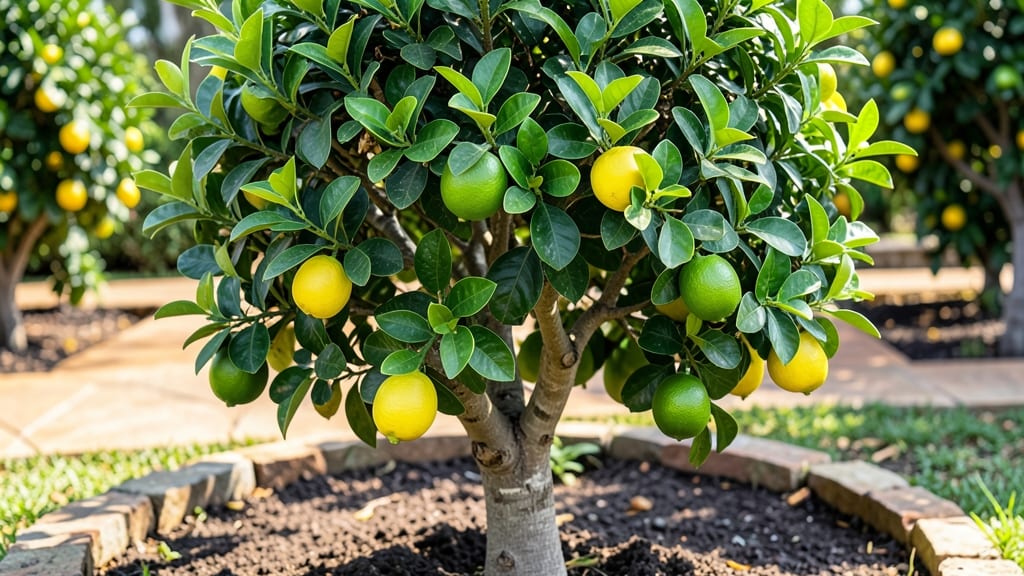
The curly leaf lime tree’s dramatic, wavy foliage makes it the star of any garden—if you prune it right. 🌿 I’ve pruned mine every winter for years, and the difference in shape, density, and even fruit production is night-and-day.
The key? Timing, technique, and a little patience to shape those signature curls without sacrificing the tree’s health.
This isn’t your average pruning job—lime trees respond best to light, strategic cuts in late winter or early spring, before new growth starts. Grab your pruners, sanitize the blades (trust me, this prevents disease), and focus on thinning out crowded branches first.
The goal is air circulation and sunlight penetration, which keeps those leaves looking lush and twisty all year.
By summer, you’ll see the payoff: a tree with bold, cascading foliage and fewer leggy branches. The curls stay crisp, the structure stays strong, and you avoid the common mistake of over-pruning, which stresses the tree. Even better? Pruned correctly, these trees produce more limes—small but flavorful—than neglected ones.
Works for container growers too—just scale down the tools. The same principles apply whether you’re shaping a 6-foot patio tree or a 20-foot backyard specimen. Let’s get those branches in line!
📚 In This Guide
- What you need
- Instructions
- Tips and common mistakes
- Wrapping up and next steps
What you need
- ● Pruning shears: Bypass pruners (for small branches, 4-6 inches in diameter) – 1 pair (sharp, stainless steel blades for clean cuts).
- ● Loppers: Bypass or anvil type (for medium branches, 6-2 inches in diameter) – 1 pair (long handles for leverage).
- ● Pruning saw: Curved-tooth or folding saw (for thick branches, 2+ inches in diameter) – 1 (avoid dull blades!).
- ● Gloves: Heavy-duty, cut-resistant (to protect hands from thorns and sap) – 1 pair (nitrile-coated for grip).
- ● Disinfectant: 70% isopropyl alcohol or bleach solution (1 part bleach to 9 parts water) – small bottle (to sterilize tools between cuts).
- ○ Sealing wax or pruning paste: Optional but helpful (to cover large cuts and prevent disease) – small tub.
- ● Extension pole: Adjustable or telescoping (for high branches) – 1 (with a pruner attachment if possible).
- ● Trash bags or bucket: – 1-2 (for collecting pruned branches and debris).
- ● Hand saw: For stubborn, thick branches that won’t budge with a pruning saw.
- ● Ladder: Sturdy, non-slip (if your tree is tall—safety first!).
- ● Marking twine or spray paint: To outline cuts before pruning (great for shaping!).
- ● Tree tie or zip ties: To secure branches during heavy pruning or storms.
- ● Work apron or bandana: To keep your clothes clean from sap and debris.
Pruning your curly leaf lime tree for lush, year-round growth
This citrus beauty thrives when pruned correctly—here's how to shape it while keeping it healthy and productive.
✂️ Step 1: Time Your Pruning for Optimal Growth
Prune your curly leaf lime tree late winter to early spring, just before new growth begins. This timing ensures you remove dead wood while encouraging vigorous spring flushes. Avoid heavy pruning in summer—it stresses the tree and can expose it to sunscald. I always check for new leaf buds along branches as my cue that it's safe to start shaping.
If you need to remove damaged branches mid-season, do it early morning when temperatures are cooler. This reduces stress on the tree and prevents sap bleeding. Never prune when frost is forecasted—new cuts take weeks to heal, and cold weather invites fungal infections.
✂️ Step 2: Sterilize Tools and Remove Dead/Diseased Wood
Before making any cuts, wipe your pruners with 70% rubbing alcohol or a 10% bleach solution to prevent spreading disease. I keep a small bottle of alcohol in my tool bag for quick sanitization between cuts. Start by removing any branches that are brown, brittle, or showing signs of dieback—these won’t recover and can harbor pests.
Look for cankers (sunken, discolored areas) or oozing sap—these indicate infections. Cut back to healthy green wood, making the cut just outside the branch collar (the swollen area where the branch meets the trunk). Avoid leaving stubs, as they trap moisture and rot.
✂️ Step 3: Thin the Canopy for Airflow and Light Penetration
Curly leaf lime trees grow dense foliage, so selective thinning is key. Remove crossing branches first—they rub against each other, creating wounds that invite disease. Next, target overly crowded areas where light can’t reach the inner branches. Aim to open the canopy so at least 50% of the lower branches receive filtered sunlight.
I start at the outer edges and work inward, cutting back branches that grow toward the center. Make your cuts at a 45-degree angle, about ¼ inch above an outward-facing bud. This encourages new growth to fill gaps naturally. Avoid "topping" (cutting the main stem flat)—it creates ugly stubs and weak growth.
✂️ Step 4: Shape for Balance and Structure
Step back and assess the tree’s natural shape. Curly leaf lime trees have a rounded, vase-like habit, so I prune to enhance that silhouette. Remove suckers (shoots growing from the base or trunk) immediately—they drain energy from the main structure. For branches growing straight upward, cut them back to a side bud to encourage outward growth.
If the tree leans heavily to one side, shorten the longer branches slightly to restore balance. Never remove more than 25% of the canopy in one session—this prevents shock. After pruning, I always water deeply to help the tree recover. The goal is to create a strong framework that supports both foliage and potential fruit.
🌿 Step 5: Post-Pruning Care for Healthy Recovery
Apply a balanced citrus fertilizer (with equal N-P-K ratios) 4-6 weeks after pruning to support new growth. I use a slow-release granular fertilizer spread evenly under the drip line. Avoid heavy nitrogen right after pruning—it encourages tender, disease-prone foliage. Instead, focus on keeping the soil moist but not soggy for the first month.
Monitor the tree for new growth—you should see pinkish buds forming within 2-3 weeks. If you notice yellowing leaves or stunted growth, reduce watering slightly and check for pests like scale or spider mites. A light application of neem oil can prevent infestations while the tree recovers.
Tips & tricks for pruning your curly leaf lime tree
These practical insights will help you transform your pruning session from a guesswork gamble into a strategic success.
Seasonal Timing Secret: The late winter to early spring window isn't just about avoiding summer heat—it's about catching the tree when its natural defenses are strongest. I've learned this the hard way after seeing trees struggle when pruned too early in winter or too late in spring. Look for those tiny pinkish buds forming along the branches as your definitive signal that it's time to start shaping. In colder climates, wait until the last frost date has passed to avoid stressing new growth.
Tool Sanitization Strategy: That 70% rubbing alcohol isn't just for show—it's your first line of defense against spreading disease between cuts. I keep a small spray bottle in my tool bag and give my pruners a quick wipe between every 3-4 branches, especially when moving from diseased to healthy wood. For larger pruning sessions, I'll even soak my tools in a bleach solution for 10 minutes between batches. Clean tools mean fewer fungal infections down the road.
Canopy Thinning Technique: When you're aiming for that 50% light penetration in the lower canopy, think of it like opening a window for airflow. I start by removing the most aggressive offenders—those crossing branches that create wounds—and work my way inward. The 45-degree angle cut is crucial here; it prevents water from pooling in the wound and creates a natural barrier against pests. Pro tip: If you're unsure about a cut, snap the branch first—if it's brittle and snaps cleanly, it's dead wood ready for removal.
Recovery Monitoring Hack: Those pinkish buds appearing within 2-3 weeks aren't just a pretty sight—they're your progress report. If you're not seeing them after 3 weeks, it's a sign to reassess your pruning approach. I've found that trees pruned in cooler weather (below 55°F) often take longer to show new growth, so I'm extra vigilant about checking for signs of stress like yellowing leaves or curled foliage. A quick inspection with a magnifying glass can reveal early signs of pests before they become a full-blown problem.
Pro Tips for Curly Leaf Lime Tree
- These practical insights will help you transform your pruning session from a guesswork gamble into a strategic success.
- Seasonal Timing Secret: The late winter to early spring window isn't just about avoiding summer heat—it's about catching the tree when its natural defenses are strongest.
- Tool Sanitization Strategy: That 70% rubbing alcohol isn't just for show—it's your first line of defense against spreading disease between cuts.
Frequently asked questions
Got questions about keeping your curly leaf lime tree looking its best? You’re not alone! Here are answers to the most common queries—from pruning timing to troubleshooting—so you can enjoy that lush, dramatic foliage year-round.
When is the best time to prune a curly leaf lime tree?
Prune your curly leaf lime tree in late winter or early spring (before new growth starts) for optimal results. Light trimming can also be done in summer to shape the tree, but avoid heavy pruning during fall or winter when the tree is dormant. This timing promotes healthy regrowth and maintains that signature curly foliage.
How much can I prune my curly leaf lime tree without harming it?
You can safely remove up to 25-30% of the tree’s foliage in one session, but avoid over-pruning. Focus on dead, diseased, or crossing branches first, then thin out overcrowded areas. Curly leaf lime trees are resilient, but excessive pruning can stress the plant—so always leave plenty of healthy leaves for photosynthesis!
What should I do if my curly leaf lime tree isn’t growing after pruning?
If your tree seems sluggish post-pruning, check for over-trimming, poor drainage, or nutrient deficiencies. Ensure it’s in well-draining soil and fertilize lightly with a citrus-friendly blend. If new growth doesn’t appear within 4-6 weeks, reassess your pruning cuts—avoid sealing large wounds, as they should heal naturally.
Can I prune a curly leaf lime tree indoors, or is it better outdoors?
Curly leaf lime trees thrive indoors with proper light and care, but pruning is easier outdoors where you have more space. If pruning indoors, sterilize tools with rubbing alcohol to prevent disease, and place the tree near a bright, south-facing window afterward to support recovery. Just avoid drafts or temperature swings!
Will pruning my curly leaf lime tree affect fruit production?
Curly leaf lime trees are primarily grown for ornamental foliage, not fruit, but if yours bears limes, pruning won’t stop production. Focus on shaping and air circulation—this actually encourages healthier fruit by reducing disease risk. Just avoid heavy pruning during flowering/fruiting seasons (spring to early summer) to protect potential harvests.
Wrapping up and next steps
Your curly leaf lime tree is now primed for year-round drama with vibrant, wavy foliage! 🌿 By mastering pruning techniques—like shaping, thinning, and seasonal trims—you’ll keep it healthy, lush, and full of character. Remember, consistency is key, but don’t stress: every snip brings you closer to that dreamy, tropical look.
Ready to level up your green thumb? Start small:
- Pick one pruning task this week—whether it’s removing dead branches or refining the shape.
- Snap a before-and-after photo to track progress and celebrate wins!