
Pruning
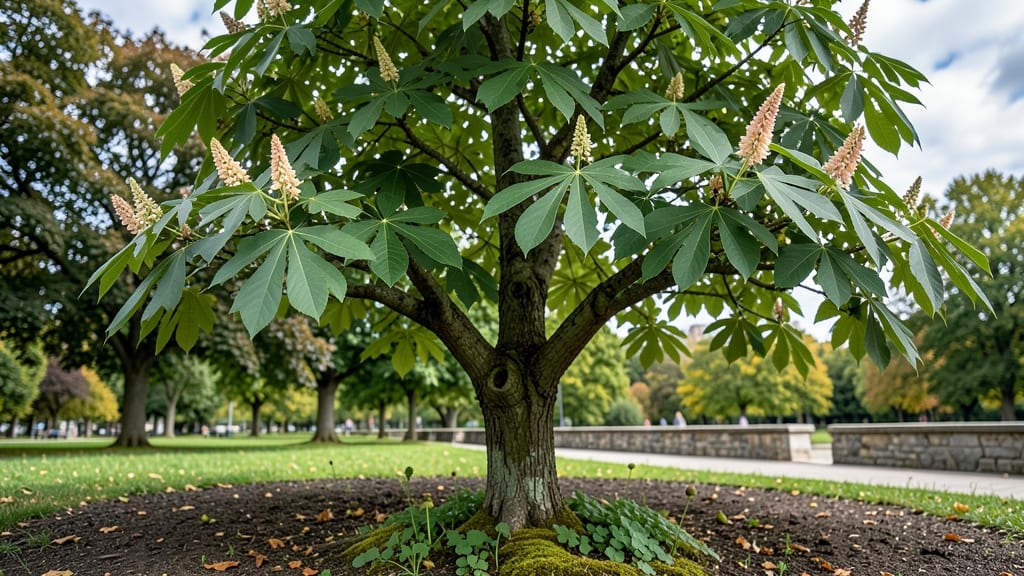
Five-leaf tree identification can feel like solving a puzzle—until you notice the tiny details that set each apart. 🌿 My first mistake was assuming all compound leaves were harmless; that’s how I nearly mistook poison ivy for a harmless vine. The key lies in leaflet shape, stem texture, and where the plant grows—some cling to fences, others climb trees, and a few spread like ground cover.
Poison ivy’s leaflets have smooth edges and a glossy sheen, while Virginia creeper’s are jagged like tiny maple leaves, growing in clusters of five. Sumac’s leaves fan out in a feather pattern, and hops have rough stems covered in sharp barbs.
A quick check of the bark or berries can seal the deal—sumac has fuzzy clusters, and poison ivy’s berries are pale green turning white.
Why this matters? Misidentifying poison ivy could mean a painful rash, while mistaking Virginia creeper for poison ivy might cost you a prized shade tree. Knowing the difference helps you decide whether to remove, protect, or even plant that five-leaf wonder in your yard.
Here’s how to tell them apart without a second guess.
Start by examining the leaflet edges, then check the stem and growth habit. If you’re still unsure, snap a photo and compare it to a trusted guide—better safe than sorry. This skill will save you time, money, and a trip to the doctor. Let’s dig into the details!
Behind The Leaf Shape Mystery
Understanding why trees develop five-leaf patterns—or any distinct leaf shape—boils down to a mix of genetics, environmental pressures, and evolutionary adaptations. For gardeners and plant enthusiasts, recognizing these factors can help you identify your tree with confidence. Let’s break down the science behind those iconic five-leaf arrangements.
The most straightforward reason for a five-leaf structure is inherited genetics. Many tree species, like the horse chestnut (Aesculus hippocastanum) or sweetgum (Liquidambar styraciflua), are hardwired to produce compound leaves with five leaflets.
This trait is passed down through generations, ensuring consistency in the species.
- Why it matters: If you’re growing a tree from seed, the parent’s leaf shape will likely determine the offspring’s. For example, horse chestnut trees always have palmately compound leaves (five leaflets radiating from a single point).
- Actionable tip: 🔍 Check seed sources—if you’re planting a named variety (e.g., "Red Buckeye"), the five-leaf pattern is a dead giveaway for identification.
Nature favors traits that improve a tree’s chances of survival.
Five-leaf (or palmately compound) arrangements often provide: - Better sunlight capture: Smaller leaflets reduce shading between them, maximizing photosynthesis. 🌞 - Reduced water loss: Some species, like the sweetgum, have waxy coatings on leaflets that minimize evaporation. - Flexibility in wind: Individual leaflets can flutter independently, reducing damage in storms.
Fun fact: The sweetgum’s star-shaped leaves (technically 5–7 leaflets) evolved to thrive in humid climates, where water retention is critical.
While genetics set the baseline, environmental conditions can tweak leaf development.
For instance: - Nutrient deficiencies: A tree struggling with iron or magnesium might produce smaller, fewer, or malformed leaflets. 🍂 - Temperature swings: Cold snaps during leaf formation can stunt growth, leading to underdeveloped five-leaf clusters. - Soil compaction: Poor root aeration forces trees to prioritize survival over perfect leaf shape, sometimes resulting in irregular patterns.
Pro tip: 💡 If your five-leaf tree’s leaves are yellowing or stunted, test soil pH and amend with compost or chelated iron. A healthy root system = better leaf development!
Some five-leaf trees are cultivar hybrids, bred to combine desirable traits (e.g., disease resistance + vibrant foliage).
For example: - ‘Autumn Blaze’ sweetgum: A cultivated variety with deeper red fall colors, but still retains the classic five-lobed leaf shape. - ‘Baumanii’ horse chestnut: A hybrid with larger, more pronounced leaflets.
Why it happens: Breeders manipulate genetics to enhance ornamental value. If your tree’s leaves look extra dramatic, it might be a hybrid!
Not all five-leaf patterns are natural! Pathogens and insects can distort leaf growth:
- Leaf miner damage: Larvae tunneling through leaf tissue can cause irregular gaps or fused leaflets. 🐜
- Fungal infections (e.g., anthracnose): Can create dark spots or deformed edges, altering the classic five-leaf look.
- Bacterial leaf spot: Leads to holes or crinkled leaflets, making identification tricky.
Actionable fix: 🛡️ Prune infected leaves immediately and apply copper fungicide or neem oil to prevent spread.
Young trees often have simpler leaf structures that evolve as they mature. For example:
- A young sweetgum might start with 3–5 leaflets, gradually developing the full 5–7-lobed adult form.
- Horse chestnut seedlings may have fewer leaflets before reaching the classic five-pointed shape.
Key takeaway: 📅 If your tree’s leaves look "off," give it time—patience is key for accurate identification!
Ever notice how topiary or espaliered trees sometimes develop odd leaf patterns? That’s because:
- Selective pruning can encourage smaller, denser leaf clusters.
- Root restriction (e.g., growing in containers) may limit leaflet size or number.
Grower’s note: If you’re shaping a five-leaf tree (like a Japanese maple), expect leaf development to adapt to your cuts! 🪓
Fixing Five-Leaf Confusion Fast
Now that you understand why misidentifying five-leaf trees happens—whether it’s due to seasonal changes, hybrid traits, or environmental stress—let’s tackle the solutions. Below, we’ve broken down common challenges and practical fixes, along with prevention tips to keep your tree ID skills sharp.
Problem: Your tree’s leaves are suddenly sporting fewer or extra lobes, making identification tricky.
Fix It:
- 🍃 Observe Over Time: Take monthly photos of the tree’s leaves. Five-leaf patterns (like those in Acer negundo or Aesculus species) may shift slightly with age or season.
- 🌿 Check the Stem: Look for leaf scars or bud patterns. Maple leaves (e.g., Acer saccharum) often have opposite branching, while horse chestnut (Aesculus hippocastanum) leaves have palmate veins radiating from a central point.
- 📏 Measure the Lobes: Use a ruler to count and measure leaf lobes. True five-lobed leaves (like sugar maple) typically have deep, evenly spaced indentations, while others (like boxelder) may appear irregular.
Prevention Tips: ✔ Label New Trees: Use stakes with the tree’s suspected name and update them as you learn more. ✔ Consult Local Guides: Apps like iNaturalist or LeafSnap can cross-reference your photos with regional databases.
Problem: Your tree looks like a five-leaf variety but might be a grafted hybrid (e.g., Acer × freemanii).
Fix It:
- 🔬 Examine the Bark: Hybrid maples (like Freeman maples) often have smoother bark than native species. Compare with reference images.
- 🌱 Check the Roots: Dig gently (or observe nearby seedlings) to see if the tree sprouted from a cutting or was grafted. Native trees usually have consistent root systems.
- 📞 Ask a Local Arborist: If the tree is in a park or nursery, staff may know the cultivar history.
Prevention Tips: ✔ Buy from Reputable Nurseries: They often label hybrids clearly. ✔ Join Gardening Forums: Post photos in groups like r/trees or Gardeners.com for crowd-sourced ID help.
Problem: Pest damage, disease, or drought has distorted the leaf shape, making identification unreliable.
Fix It:
- 🐛 Inspect for Pests: Look for holes (Japanese beetles), curled edges (aphids), or sticky residue (scale insects). Treat with neem oil or insecticidal soap if needed.
- 🍂 Prune Damaged Leaves: Remove severely affected foliage to encourage new growth. Healthy leaves will reveal the true pattern.
- 💧 Adjust Watering: Overwatering or drought can stress trees. Water deeply 1–2 times per week (adjust for climate) and mulch to retain moisture.
Prevention Tips: ✔ Monitor Regularly: Check trees every 2 weeks during growing season for early signs of stress. ✔ Boost Soil Health: Add compost or a balanced fertilizer (like 10-10-10) in early spring to support resilience.
Problem: You’re still stuck after trying everything.
Fix It:
- 📖 Use a Dichotomous Key: Free tools like the USDA Forest Service’s Tree Identification Guide or The Manual of Woody Landscape Plants break down leaf shapes step-by-step.
- 📸 Post to Tree ID Groups: Share high-resolution photos of the leaf underside (vein patterns are key!) and bark texture.
- 🌿 Visit a Botanical Garden: Many offer free ID services or have labeled specimens for comparison.
Prevention Tips: ✔ Bookmark Reliable Sites: Save Arbor Day Foundation, North Carolina Extension, or Dave’s Garden for future reference. ✔ Take a Class: Local nurseries or community colleges often host tree ID workshops.
Pro Tip: 💡 Keep a “Tree Journal”! Jot down observations like leaf color, fruit type, and bark texture. Over time, you’ll spot patterns even hybrid or damaged trees can’t hide. Happy identifying!
Frequently asked questions
What’s the fastest way to tell poison ivy from Virginia creeper?
Check the leaf edges and stems! Poison ivy has smooth-edged leaflets and a hairless vine, while Virginia creeper has toothed edges and blue-black berries in fall. Another trick: Rub a leaf between your fingers—poison ivy releases an oily residue that can cause rashes if you’re sensitive.
Can I safely plant a five-leaf tree near my home?
It depends! Non-toxic options like Virginia creeper or boxelder maple are great for landscaping, but avoid poison ivy or sumac near play areas. Sumac can cause skin irritation, and poison ivy is a major hazard. Always research a tree’s growth habit—some (like hops) spread aggressively.
Why do some five-leaf trees have berries while others don’t?
Berries indicate the tree’s reproductive stage! Virginia creeper produces blue-black berries that birds love, while poison ivy has pale green/white berries. Trees like horse chestnut have spiky seed pods instead. If your tree has no berries, it might be male, young, or a cultivar bred for ornamental leaves.
What should I do if I touch poison ivy?
Wash the area with cold water and soap immediately—scrub between fingers and under nails. Avoid hot water (it opens pores). If you develop a rash, use calamine lotion or hydrocortisone cream. See a doctor if blisters form or if the rash spreads to your face/genitals.
How do I remove Virginia creeper from my fence?
Start by cutting the vines at the base with pruning shears or a handsaw for thick stems. Pull gently to avoid damaging the fence. For stubborn roots, apply vinegar or glyphosate (follow label instructions). Reapply every 2-3 weeks until growth stops. Wear gloves—creeper sap can stain!