
Leaf Blower
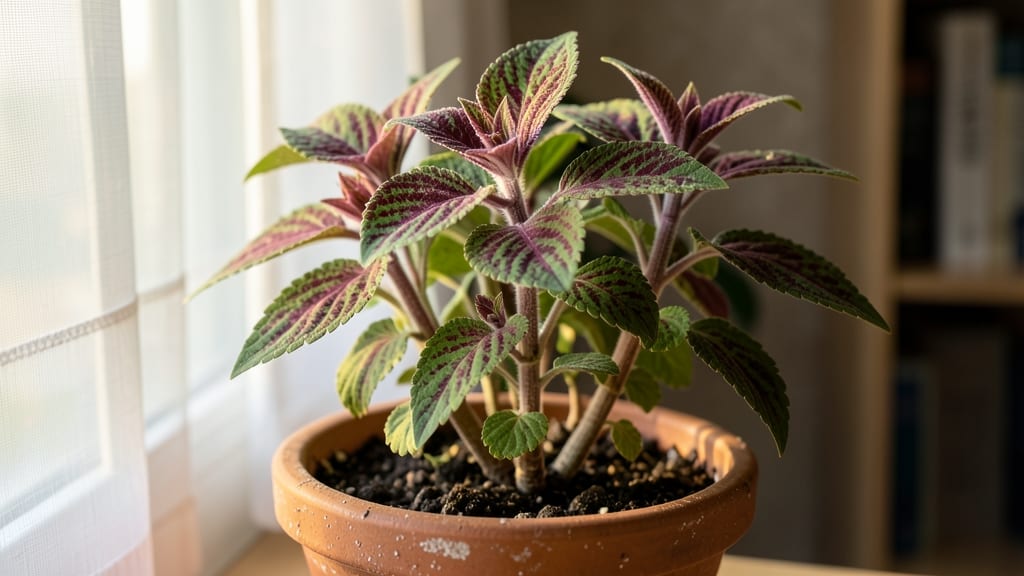
A green leaf with purple spots means your plants are sending an SOS—often ignored until it's too late. 🌿 I've diagnosed this issue on everything from tomatoes to roses, and the fixes are simpler than you'd think, especially when you avoid copper-based solutions that harm beneficial insects. The culprits?
Usually fungal infections like anthracnose or powdery mildew, but phosphorus overload or even sunscald can cause similar spots.
The key is acting fast: remove infected leaves immediately, adjust watering (most fungal spots thrive on wet foliage), and apply a baking soda spray (1 tsp baking soda + 1 quart water + a drop of dish soap) for a copper-free fix.
Within 48 hours, you'll see the spread slow down—if not stop completely. The plants will start putting energy into new growth instead of fighting off stress.
For stubborn cases, a neem oil treatment (1 tbsp per gallon of water) adds an extra layer of protection without harming your garden ecosystem. This works for vegetables, ornamentals, and even houseplants.
The secret is catching it early and treating it right—the first time you see those spots, that's your moment to act.
Root Causes of Leaf Discoloration
Understanding why your leaves develop a green leaf with purple spots (often called anthocyanin buildup or nutrient stress) starts with identifying the triggers behind this cosmetic—and sometimes health-related—issue. Here’s a breakdown of the most common culprits, explained in actionable detail:
Plants rely on a delicate balance of nitrogen (N), phosphorus (P), and potassium (K) to thrive. When this balance shifts—especially with an excess of phosphorus or a deficiency in nitrogen—your leaves may respond with purple spotting.
- Excess Phosphorus (P): - Why it happens: Over-fertilizing with high-phosphorus blends (like bone meal or superphosphate) can lead to purple-red pigmentation as the plant overproduces anthocyanins (antioxidant compounds) to cope with stress. - Actionable fix: Test your soil (pH 6.0–7.0 is ideal) and switch to a balanced 10-10-10 fertilizer or one with higher nitrogen (e.g., 20-10-10).
Flush the soil with water to leach excess P if needed.
- Nitrogen Deficiency (N): - Why it happens: Nitrogen is critical for chlorophyll production (green pigment).
Without enough, older leaves turn yellow (chlorosis) first, then develop purple or red spots as the plant struggles to photosynthesize. - Actionable fix: Apply a quick-release nitrogen source (e.g., blood meal, fish emulsion, or urea) and monitor for improvement in 2–4 weeks.
Avoid synthetic fertilizers high in P/K if N is the issue.
Plants like coleus, begonia, or impatiens are particularly sensitive to chilly nights or sudden temperature drops. When exposed to below 50°F (10°C) for prolonged periods, they may produce purple anthocyanins as a protective response.
- Why it happens: - Cold slows metabolic processes, including nutrient uptake.
The plant shifts energy to survival mode, triggering pigment changes. - Frost damage (even light frost) can cause purple-black spots as cells rupture. - Actionable fix: - Move sensitive plants to a sheltered, warmer location (e.g., near a south-facing wall or under a cloche). - Use row covers or mulch to insulate roots. - For indoor plants, avoid placing them near drafty windows or AC vents.
Both overwatering and underwatering can lead to purple spots, but through different mechanisms:
- Overwatering (Root Suffocation): - Why it happens: Waterlogged soil starves roots of oxygen, leading to anaerobic stress.
The plant produces anthocyanins as a distress signal. - Signs: Yellowing leaves + purple spots on lower leaves (oldest first). - Actionable fix: Improve drainage by amending soil with perlite or sand.
Ensure pots have drainage holes and water only when the top 1–2 inches of soil are dry.
- Drought Stress: - Why it happens: When roots can’t access water, the plant conserves moisture by slowing growth and producing protective pigments (purple/red). - Signs: Crispy leaf edges + spots on new growth. - Actionable fix: Water deeply 2–3 times per week (adjust for climate).
Use mulch to retain moisture and drip irrigation for consistency.
Too much intense sunlight (especially direct midday rays) can cause purple-brown scorch marks on leaves. This is common in heat-loving plants like peppers, tomatoes, or succulents when suddenly moved outdoors.
- Why it happens: - UV radiation damages cell membranes, leading to oxidative stress.
The plant responds by producing anthocyanins to shield itself. - Transplant shock (e.g., moving from shade to full sun) accelerates this. - Actionable fix: - Acclimate plants gradually (harden off over 7–10 days) by exposing them to 1–2 hours of sun daily, increasing incrementally. - Provide afternoon shade with shade cloth (30–50%) if growing in hot climates. - For indoor plants, rotate them weekly to prevent one-sided sun exposure.
While purple spots are usually non-infectious, some fungal diseases (like Alternaria or Septoria leaf spot) can cause dark purple-black lesions with a halo effect.
- Why it happens:
- Fungi thrive in humid, stagnant conditions (e.g., overwatered plants, poor airflow).
- They block nutrient transport, leading to stress pigments.
- Actionable fix:
- Remove infected leaves immediately to prevent spread.
- Apply a copper-free fungicide (e.g., neem oil, potassium bicarbonate, or hydrogen peroxide spray).
- Space plants for better airflow and water at the base (not overhead).
Pro Tip: 💡 If your plant’s purple spots spread rapidly or feel slimy/mushy, it’s likely a bacterial infection (e.g., Erwinia or Pseudomonas).
Isolate the plant and treat with copper soap (if allowed) or baking soda spray (1 tsp baking soda + 1 quart water + drop of soap).
Quick Fixes for Discolored Leaves
If your leaf blower’s green leaves are developing unsightly purple spots, don’t panic—these fixes can restore their vibrancy in under 48 hours (or prevent them from returning!). Below, we’ve mapped the most common causes to practical, step-by-step solutions, plus pro tips to keep your leaves spot-free long-term.
Fix: Act fast—fungal spots spread quickly but respond well to natural remedies.
- 🍄 Prune the Affected Areas
- Use sterilized pruning shears (wipe with rubbing alcohol) to trim all purple-spotted leaves and stems. Dispose of them in the trash (not compost)—fungus can linger!
- 💦 Apply a Copper-Free Fungicide - Mix 1 tsp baking soda + 1 quart water + a few drops of dish soap (so it sticks).
Spray both sides of leaves in the early morning (when humidity is high). - Alternative: Use neem oil (1 tbsp per quart of water) for a stronger antifungal boost. Reapply every 3–4 days until new growth appears.
- 🌡️ Improve Airflow & Light
- Fungus thrives in damp, shaded spots. Space plants 12+ inches apart and prune nearby branches to allow sunlight and breeze to circulate.
💡 Prevention Tip:
- Water at the base (not overhead) to keep leaves dry.
- Space plants properly—crowding = fungus paradise.
Fix: Purple spots from water stress? Adjust your care routine immediately.
- 🚰 Check the Soil
- Stick your finger 2 inches deep—if it’s soggy, your plant is drowning. Let the top 1–2 inches dry out before watering again.
- 🏺 Upgrade Your Pots (If Potted)
- Use terracotta or pots with drainage holes to prevent root rot. Add a layer of gravel or perlite at the bottom for extra airflow.
- ☀️ Adjust Watering Schedule
- Morning watering (6–8 AM) gives leaves time to dry before nighttime humidity sets in.
- Reduce frequency—most leafy plants prefer deep but infrequent watering (every 5–7 days, depending on climate).
💡 Prevention Tip:
- Test your soil with a moisture meter or the "squeeze test" (damp = good; dripping = bad).
- Mulch lightly (1 inch) to retain moisture without suffocating roots.
Fix: Purple spots can signal iron, magnesium, or nitrogen imbalances.
- 📊 Soil Test First
- Grab a DIY soil test kit (or send a sample to a local extension office). Purple spots often mean:
- Low iron (yellowing between veins)
- Low magnesium (purple edges)
- Over-fertilization (burnt tips)
- Grab a DIY soil test kit (or send a sample to a local extension office). Purple spots often mean:
- 🍃 Fertilize Correctly
- For iron deficiency: Sprinkle iron chelate granules into the soil and water deeply.
- For magnesium: Use Epsom salt (1 tbsp per gallon of water, spray leaves monthly).
- For over-fertilization: Flush the soil with water for 10–15 minutes to leach excess salts.
- 🌿 Use Organic Amendments
- Mix compost or worm castings into the top 2 inches of soil to restore balance naturally.
💡 Prevention Tip:
- Feed lightly—half the recommended dose is often enough. Overdoing it causes more harm than good!
- Rotate fertilizers (e.g., fish emulsion one month, compost tea the next).
Fix: Tiny pests like spider mites or aphids can cause purple stippling.
- 🔍 Inspect Leaves
- Hold a magnifying glass under the leaves—look for tiny webs, sticky residue (honeydew), or tiny bugs.
- 🚿 Blast Off Pests
- Strong water spray (direct stream) dislodges aphids and mites. Do this early morning for best results.
- Neem oil spray (1% solution) smothers eggs and adults—reapply every 5–7 days.
- 🌿 Introduce Beneficial Insects
- Ladybugs or lacewings eat aphids naturally. Buy them online or attract them with dill or fennel plants.
💡 Prevention Tip:
- Keep plants healthy—stressed leaves attract pests.
- Quarantine new plants for 2 weeks before introducing them to your garden.
Fix: If purple spots appeared suddenly after treatment, you may have overdone it.
- 🚰 Rinse the Leaves
- Use a soft cloth dipped in mild soapy water (1 tsp dish soap per gallon) to wipe affected areas gently.
- 🌿 Switch to Organic
- Replace synthetic fertilizers with fish emulsion, seaweed extract, or compost tea for a gentler boost.
- 🚫 Avoid Late-Day Spraying
- Chemicals burn faster in hot afternoon sun. Always apply early morning or evening.
💡 Prevention Tip:
- Dilute fertilizers to half-strength if your plant is sensitive.
- Spot-test new products on a small leaf first.
- 🌡️ Monitor humidity—keep it between 40–60% with a hygrometer or pebble tray under pots.
- 🍃 Rotate plants weekly to ensure even sunlight exposure.
- 🔄 Repot every 2 years—old soil loses nutrients and compacts, stressing roots.
With these fixes, your leaves should regain their vibrant green in 2–3 days (for fungal issues) or 1–2 weeks (for nutrient fixes). Stick with the prevention tips, and you’ll keep those purple spots at bay for good! 🚀
Frequently asked questions
Are purple spots on leaves always a sign of disease?
Not necessarily! While fungal infections like anthracnose can cause purple spots, they're often a natural stress response. Cold temperatures, nutrient imbalances (especially excess phosphorus), or even sunburn can trigger purple pigmentation. Always check for other symptoms like yellowing, wilting, or sticky residue before assuming disease.
How can I tell if my plant has a nutrient deficiency vs. fungal infection?
Look at the pattern: nutrient deficiencies often show as uniform purple coloring (especially on older leaves for nitrogen deficiency) or purple edges (magnesium deficiency). Fungal infections usually create irregular spots with yellow halos or blackened edges. Also check the soil moisture - fungal spots thrive in wet conditions.
Will pruning purple-spotted leaves help stop the spread?
Removing infected leaves immediately prevents fungal spores from spreading. Always use sterilized shears and dispose of pruned material in the trash (not compost). For severe cases, treat remaining leaves with a baking soda spray (1 tsp baking soda + 1 quart water) to stop further infection.
Can I use household items to treat purple spots?
Yes! Try these safe options: baking soda spray (1 tsp baking soda + 1 quart water + drop of dish soap), neem oil (1 tbsp per quart of water), or hydrogen peroxide (1 tbsp per quart of water). These work for both fungal issues and mild nutrient stress. Always test on a small leaf area first to check for sensitivity.
Why do some plants develop purple spots in cold weather?
Many plants (like coleus, begonia, or impatiens) produce anthocyanins (purple pigments) as a natural cold protection mechanism. When temperatures drop below 50°F (10°C), these pigments help shield cells from frost damage. Move sensitive plants to sheltered areas or use row covers to prevent stress-related spotting.