
Planting
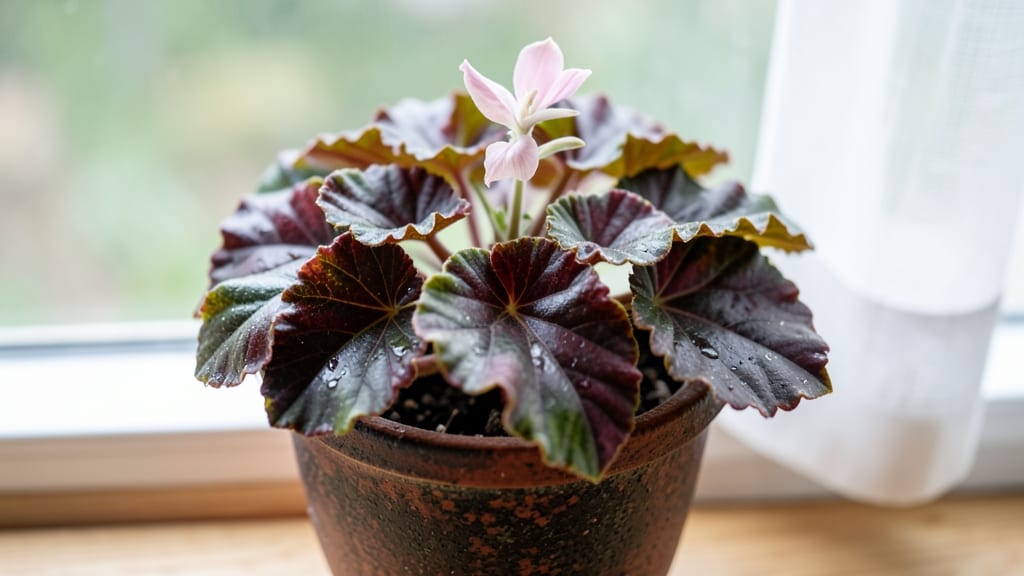
That heart-shaped leaf plant identification you can't pin down might be the standout piece of your collection. 🌿 I've spent years tracking down these plants, and the subtle differences in leaf texture, vein patterns, and growth habits make all the difference between a guess and a confident ID.
Start with the basics: leaf size (3-12 inches), color variations (solid green to deep purple), and whether the plant climbs or stays compact. My philodendron collection alone has three heart-shaped varieties that look identical until you check the underside of the leaves or how they attach to stems.
Once you narrow it down, you'll know exactly how to care for it—some thrive in bright indirect light while others prefer shade, and watering needs vary just as much. The right plant in the right spot transforms from "mystery leaf" to showstopper in your space.
Confused about the differences? We'll break down the visual clues that separate common heart-leaf plants like philodendron, coleus, and ferns. Next steps include care tips that keep them thriving year-round.
The Real Culprits Behind Heart-Shaped Leaves
Heart-shaped leaves aren’t just a charming quirk of nature—they’re the result of evolutionary adaptations, environmental cues, and even genetic quirks. Whether you’re identifying a plant or troubleshooting why its leaves aren’t forming as expected, understanding the why behind these shapes helps you care for (or hunt down!) the perfect specimen.
Let’s break down the science behind why some plants grow leaves that look like little green valentines.
Plants with heart-shaped leaves often owe their shape to genetic programming—specifically, how their meristems (growth cells) develop. Two key genetic factors play a role:
- Leaf Primordia Formation: During early growth, a plant’s shoot apical meristem (SAM) produces leaf primordia (tiny leaf buds). In heart-shaped leaves, the basal cells (near the stem) grow faster than the apical cells (leaf tip), creating the classic "V" or "U" notch at the base.
This is common in plants like Philodendrons and Hosta, where the gene CUP-SHAPED COTYLEDON (CUC) regulates cell expansion asymmetrically.
- Juvenile vs. Mature Leaves: Many plants (e.g., Heuchera or Coleus) start with heart-shaped leaves as juveniles, only to develop lobed or serrated edges as they mature. This shift is triggered by hormonal changes, particularly auxin and gibberellin, which alter cell division patterns over time.
💡 Pro Tip: If you’re growing a plant from seed, the first true leaves (cotyledons) are often heart-shaped—a clue to its future form!
While genetics set the stage, environmental factors can exaggerate, shrink, or even distort heart-shaped leaves. Here’s how:
| Factor | Effect on Leaf Shape | How to Fix It |
|---|---|---|
| Low Light | Leaves grow larger and thinner with exaggerated lobes/notches (e.g., Monstera deliciosa’s "fenestrations"). | Move to bright, indirect light (e.g., near an east-facing window). |
| Overwatering | Causes cell swelling and irregular growth, sometimes deepening the "heart" notch. | Let soil dry 1–2 inches deep between waterings; use well-draining pots. |
| High Humidity | Encourages rapid cell elongation, leading to softer, more pronounced heart shapes. | Maintain 40–60% humidity (use a pebble tray or humidifier). |
| Nutrient Deficiency | Magnesium (Mg) or nitrogen (N) deficiency can cause yellowing and cupped leaves, mimicking a "heart" stress response. | Fertilize with a balanced 10-10-10 or Epsom salt (magnesium sulfate) solution. |
🔥 Fun Fact: Some plants, like Peperomia obtusifolia, naturally develop more pronounced heart shapes in cooler temperatures—a survival trait to reduce water loss!
Sometimes, heart-shaped leaves aren’t a feature—they’re a symptom of distress. Common culprits include:
- Fungal Infections (e.g., Powdery Mildew): Causes distorted, cupped leaves with a white powdery coating. Why? The fungus blocks stomata (pores), forcing cells to grow unevenly.
- Fix: Spray with neem oil or baking soda solution (1 tsp baking soda + 1 quart water).
- Viral Diseases (e.g., Tomato Mosaic Virus): Leaves may develop stunted, heart-like growth with mosaic patterns. Why? Viruses disrupt cell division, leading to malformed leaves.
- Fix: Remove infected plants immediately; sterilize tools with 70% alcohol.
- Pest Damage (e.g., Spider Mites, Aphids): Feeding on sap causes deformed, curled leaves that resemble a "heart" under stress.
- Fix: Wipe leaves with soapy water or introduce predatory mites.
✨ Prevention Tip: Inspect new plants under quarantine for pests before adding them to your collection!
Some heart-shaped leaves are the result of selective breeding to create ornamental varieties. For example:
- Heuchera ‘Palace Purple’: Bred for deeply lobed, almost heart-shaped leaves with vibrant colors.
- Coleus hybrids: Often have bold, asymmetrical hearts due to crossbreeding for variegation and texture.
🎯 Plant Hunter Alert: If you’re identifying a rare hybrid, check for unusual color patterns or leaf edges—these are dead giveaways!
Beyond aesthetics, heart-shaped leaves often serve practical purposes:
- Water Retention: The concave shape traps moisture, helping plants in dry climates (e.g., Sedum).
- Light Capture: Lobed edges increase surface area for photosynthesis (seen in Taro plants).
- Predator Deterrence: Some plants (like Stinging Nettle) use sharp-edged heart shapes to discourage herbivores.
🌡️ Climate Clue: Tropical heart-leaf plants (e.g., Philodendron) thrive in high humidity, while desert-adapted species (e.g., Echeveria) may have thicker, waxier hearts to conserve water.
Quick Fixes for Common Heart-Leaf Plant Woes
Got a heart-shaped leaf plant that’s not thriving? Don’t panic—most issues have simple, actionable solutions. Below, we’ve mapped common problems to their fixes, with prevention tips to keep your plant happy long-term. Let’s get those leaves lush and healthy again!
Why it happens: Soggy soil suffocates roots, leading to yellowing or mushy leaves. Heart-leaf plants like Hoya or Philodendron hate "wet feet."
How to fix it:
- 🔥 Step 1: Check the soil – Stick your finger 1–2 inches deep. If it’s damp, hold off on watering.
- 🍳 Step 2: Repot if needed – If the soil stays wet for days, upgrade to a pot with drainage holes and a well-draining mix (add perlite or orchid bark).
- 👨🍳 Step 3: Adjust watering – Water only when the top inch of soil is dry. Bottom-watering (pouring water into the saucer) can help prevent overwatering.
💡 Prevention tip: Use a moisture meter or spray bottle for a lighter touch. Terracotta pots help wick away excess moisture faster.
Why it happens: Dry air or infrequent watering causes leaf edges to crisp up, especially in tropical heart-leaf plants like Heuchera or Ficus elastica.
How to fix it:
- 🥘 Step 1: Increase humidity – Place the pot on a pebble tray with water or use a humidifier nearby. Grouping plants together also helps!
- 🔥 Step 2: Water deeply but less often – Soak the soil until water drains out the bottom, then wait until the top 1–2 inches are dry before repeating.
- ✂️ Step 3: Trim damaged leaves – Snip off brown edges with clean scissors to encourage new growth.
🌡️ Prevention tip: Mist leaves lightly 2–3 times a week (avoid soggy centers). A humidifier set to 40–50% works wonders in dry climates.
Why it happens: Underwatering or roots circling the pot can’t absorb enough water, causing droop.
How to fix it:
- 💧 Step 1: Soak the roots – Place the pot in a shallow tray of water for 10–15 minutes to revive thirsty roots.
- 🌿 Step 2: Check root health – Gently remove the plant and inspect roots. If they’re tangled or circling, repot into a slightly larger container with fresh soil.
- 🔄 Step 3: Adjust care – Heart-leaf plants like Philodendron prefer consistent moisture. Stick to a watering schedule (every 1–2 weeks, depending on climate).
🎯 Prevention tip: Repot every 1–2 years to refresh the soil and give roots room to grow. Use a well-aerated potting mix with compost.
Why it happens: Sticky leaves, white webbing, or cottony bugs on stems signal pests, which love heart-shaped leaves like Hoya carnosa.
How to fix it:
- 🔪 Step 1: Isolate the plant – Move it away from others to prevent spreading.
- 🚿 Step 2: Wipe leaves – Dampen a cloth with soapy water (mild dish soap) and gently rub off pests. Repeat weekly until gone.
- 🌿 Step 3: Spray neem oil – Mix 1 tsp neem oil with 1 quart of water and spray the plant (including undersides of leaves). Reapply every 5–7 days.
✨ Prevention tip: Quarantine new plants for 2 weeks. Increase airflow around leaves to deter pests.
Why it happens: Heart-leaf plants like Heuchera or Coleus stretch toward light, leading to weak, leggy stems.
How to fix it:
- 💡 Step 1: Move to brighter light – Place near an east or west window. Avoid harsh direct sun, which can scorch leaves.
- ☀️ Step 2: Rotate the plant – Turn it weekly so all sides get even light exposure.
- 🌱 Step 3: Prune leggy stems – Trim back overgrown stems to encourage bushier growth. Propagate cuttings in water or soil!
💡 Prevention tip: Use a grow light (12–14 hours/day) if natural light is limited. Avoid dim corners.
Why it happens: Drafts, AC vents, or temps below 50°F (10°C) shock heart-leaf plants like Philodendron hederaceum.
How to fix it:
- 🔥 Step 1: Move to a stable spot – Keep away from windows, doors, or vents. Ideal temps: 60–80°F (15–27°C).
- 🧊 Step 2: Protect from cold – If outdoors, bring potted plants inside before frost. Use a frost cloth for sensitive varieties.
- 🌡️ Step 3: Acclimate slowly – If moving from indoors to outdoors, do it gradually over 1–2 weeks.
🎯 Prevention tip: Use a thermometer near your plants to monitor temps. Avoid sudden changes!
Final Pro Tip: 🌿 Observe your plant daily! Heart-shaped leaves often send early warnings (yellow tips, wilting, or pest signs). Act fast, and your plant will bounce back in no time. Happy growing!
Frequently asked questions
What's the easiest way to tell if my heart-shaped leaf plant is a philodendron?
Check the leaf attachment and stem! Philodendrons have sheathing stems that wrap around the leaf base, while many other heart-leaf plants (like coleus) have petioles that attach directly. Also, philodendron leaves often have prominent veins that create a net-like pattern when mature.
Can I grow heart-shaped leaf plants outdoors in my climate?
It depends! Tropical varieties like Philodendron hederaceum need USDA zones 10-12 year-round, while hardier options like Heuchera thrive in zones 3-9. For borderline climates, grow them in containers and bring them indoors before frost - most heart-leaf plants tolerate this seasonal shift well.
Why are my heart-shaped leaves turning yellow at the edges?
This usually signals overwatering or low humidity. Check soil moisture - if it's damp 2+ inches deep, cut back watering. For tropical heart-leaf plants, increase humidity to 50-60% with a pebble tray or humidifier. Yellowing from underwatering appears crispy and brown, not just yellow.
How do I propagate a heart-shaped leaf plant?
Most heart-leaf plants propagate easily from stem cuttings! Take a 4-6 inch section with at least 2 leaves, remove lower leaves, and place in water or moist soil. For philodendrons, the node (where leaves attach) must be underwater. Roots typically appear in 2-4 weeks - then transplant to soil.
Are there any toxic heart-shaped leaf plants I should keep away from pets?
Yes! Philodendrons and Dieffenbachia (which has heart-shaped leaves) are toxic to cats and dogs if ingested. The sap contains calcium oxalate crystals that cause mouth irritation and vomiting. Safe alternatives include Heuchera or Coleus varieties, which are non-toxic.