
Leaf Blower
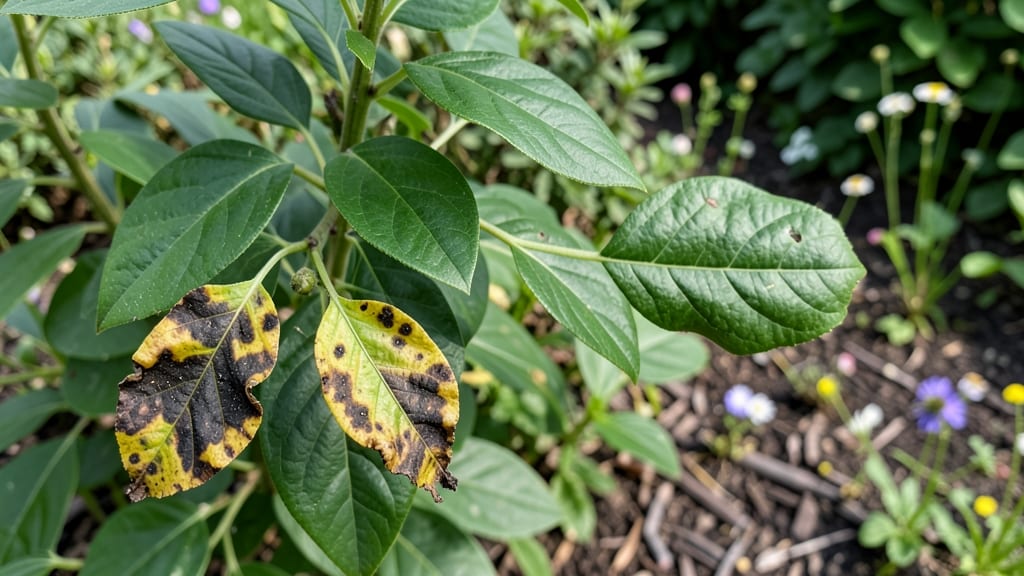
Your honeysuckle vines look like they’ve been kissed by a crispy autumn breeze—those brown, papery edges aren’t seasonal charm, they’re leaf blight. 🌿 The Alternaria or Septoria fungi behind this mess thrive in wet, crowded conditions, turning lush foliage into sad, brittle scraps.
But here’s the good news: neem oil isn’t just a fix—it’s a shield for your vines.
First, snip off the worst leaves (gloves on!) and toss them in the trash—don’t compost them. Then mix 1 tablespoon of neem oil with 1 teaspoon of mild dish soap in a quart of water.
Spray the undersides of leaves (where spores lurk) every 7–10 days until new growth appears. The key? Start early—once the blight spreads to stems, you’re fighting a losing battle.
By the time you see crispy edges, the blight’s already been feasting for weeks. But with this routine, your vines will push out bright green, healthy leaves in about 2–3 weeks.
The neem oil disrupts the fungus’s life cycle while feeding beneficial microbes in the soil—no harsh chemicals, just revival.
For next season, space your honeysuckles 3–4 feet apart and prune for airflow. If you live in a humid zone, a preventive spray every 2 weeks during rainy months keeps blight from crashing the party. Your vines will thank you with vibrant blooms and none of that sad, brittle nonsense.
Root Causes Of Fungal Foliar Fade
Honeysuckle leaf blight isn’t just a random nuisance—it’s a fungal party crash 🍄💥, and understanding its triggers is your first line of defense. This stubborn issue thrives when specific conditions align, turning lush green leaves into crispy, discolored messes.
Let’s break down the real culprits behind the blight, so you can outsmart the fungus before it ruins your plants.
The fungus responsible for honeysuckle leaf blight—often Alternaria or Septoria—loves moisture. When leaves stay damp for long periods (think rain, fog, or overhead watering), spores germinate like popcorn in a microwave. Poor soil drainage makes matters worse by keeping roots soggy, weakening the plant’s defenses.
- Why it happens: Fungal spores splash onto leaves from infected debris or soil, then multiply in humid conditions.
- Actionable fix:
- Space plants for airflow (3–4 feet apart).
- Water at the base (not overhead) in the early morning so leaves dry by night.
- Improve drainage with compost or raised beds if your soil is clay-heavy.
Fungal spores are like sneaky stowaways—they hitch rides on wind, tools, or even your shoes. If infected leaves or mulch linger in your garden, spores wait patiently for the right conditions to strike. Honeysuckle leaf blight often returns yearly because spores survive in plant debris over winter.
- Why it happens: Spores from previous infections or nearby wild plants reinfect your honeysuckle when humidity rises.
- Actionable fix:
- Clean up fallen leaves and prune infected branches before spores spread (sterilize pruners with 70% alcohol).
- Avoid mulching under honeysuckle—keep mulch 6+ inches away from stems.
- Rotate plant locations yearly to break the fungal cycle.
Stressed plants are fungus magnets. Honeysuckle under heat stress (especially in summer) or lacking key nutrients (like nitrogen or potassium) produces weak, thin leaves—perfect fungal snacks. Even over-fertilizing can burn roots, making plants vulnerable.
| Stress Trigger | Fungal Response | Fix It Fast |
|---|---|---|
| Heat waves + drought | Leaves scorch, openings for spores | Mulch with straw, water deeply 2x/week |
| Nitrogen deficiency (yellow leaves) | Weak cell walls = easy fungal entry | Test soil; add compost or balanced 10-10-10 fertilizer |
| Overwatering (soggy roots) | Roots can’t absorb nutrients, leaves wilt | Let top 2 inches of soil dry between waterings |
Honeysuckle thrives in sunshine, but when bushes grow too close together, leaves breathe in each other’s fungal fumes. Stagnant air traps humidity, creating a fungal sauna where spores thrive. Even a single infected plant can contaminate neighbors in tight spaces.
- Why it happens: Poor airflow = slower leaf drying = fungal feast.
- Actionable fix:
- Prune to open the canopy (aim for outward-facing growth).
- Thin out overgrown bushes by 20–30% in early spring.
- Plant honeysuckle where it gets 6+ hours of sunlight and space it 4–5 feet apart.
💡 Pro Tip: If you’ve battled honeysuckle leaf blight before, preventative neem oil sprays (applied every 2–3 weeks in humid seasons) can disrupt spore germination. Think of it as fungal body armor for your leaves!
Quick Fixes for Fading Foliage
If your honeysuckle’s leaves are turning crispy at the edges or developing unsightly blotches, don’t panic—there’s still hope! The key is acting fast with targeted treatments and preventive care. Below, we’ll break down the most effective solutions, tailored to the root cause of your plant’s distress.
Whether it’s fungal pressure, environmental stress, or pest interference, these fixes will help your honeysuckle bounce back with vibrant, healthy leaves.
If dark, greasy spots or yellowing leaves signal a fungal blight, act now to prevent it from worsening.
🍳 Apply Fungicidal Sprays (Neem Oil & Copper-Based)
Neem oil is a powerhouse for fungal issues—it disrupts the cell membranes of pathogens while being safe for plants. For a DIY blend, mix 1 tablespoon of neem oil + 1 teaspoon of dish soap (as an emulsifier) + 1 quart of water.
Spray thoroughly on both sides of leaves and the stems, focusing on affected areas. Repeat every 7–10 days until new growth appears.
Pro Tip: 💡 Apply in the early morning or late evening to avoid burning leaves in direct sunlight.
👨🍳 Prune & Dispose of Infected Leaves
Remove and dispose of (not compost!) severely blighted leaves to stop spores from spreading. Use clean, sharp pruners and sterilize them with rubbing alcohol between cuts.
🌡️ Improve Air Circulation & Reduce Moisture
Fungi thrive in damp, stagnant conditions. Space plants 3–4 feet apart and avoid overhead watering. If your honeysuckle is in a container, ensure it has drainage holes. For dense foliage, thin out branches to let air flow freely.
Crispy edges or wilting can also stem from heat, drought, or poor soil. Adjust these factors to restore your honeysuckle’s vigor.
💧 Water Deeply & Consistently
Honeysuckle roots need 1–1.5 inches of water per week, especially during blooming. Water at the base of the plant (not the leaves) to prevent fungal splash-back. In extreme heat, mulch with 2–3 inches of organic mulch (like shredded bark) to retain moisture.
☀️ Shield from Harsh Sun & Wind
If your honeysuckle is in a hot, exposed spot, provide afternoon shade with a lightweight shade cloth (30–50%). For windburn, plant near a windbreak (like a fence or taller shrubs) or stake young plants for support.
🌱 Feed with Balanced Fertilizer
Yellowing or weak growth? Your honeysuckle may need nutrients. Use a balanced, slow-release fertilizer (10-10-10) in early spring. Avoid high-nitrogen fertilizers, which promote leafy growth at the expense of flowers.
Sap-sucking pests (like aphids or spider mites) can weaken leaves, making them prone to blight. Here’s how to evict them:
🕷️ Blast Off Pests with Soapy Water
Mix 1 tablespoon of mild liquid soap + 1 quart of water in a spray bottle. Directly target pests on the undersides of leaves. Repeat every 3–4 days until they’re gone.
🌿 Introduce Beneficial Insects
Ladybugs and lacewings are natural predators of aphids. Purchase them from a garden center or attract them with neem oil-treated plants and dill or fennel as companion plants.
⏰ Monitor & Act Early
Check leaves daily for sticky residue (honeydew) or tiny webs—signs of pests. Catching infestations early means less damage and faster recovery.
Once your honeysuckle recovers, lock in its health with these proactive steps:
- 🌡️ Space plants properly (3–4 feet apart) for airflow.
- 💧 Water at the base, not overhead, to keep leaves dry.
- 🌱 Mulch annually to improve soil health and moisture retention.
- 🔄 Rotate fungicides (neem oil, copper, or potassium bicarbonate) to prevent resistance.
- 🌿 Plant companion flowers (like marigolds) to deter pests.
With these fixes, your honeysuckle should regain its glossy, blight-free leaves in 4–6 weeks. Stay vigilant, and your plant will reward you with vibrant blooms and lush foliage all season long!
Frequently asked questions about honeysuckle leaf blight
What do honeysuckle leaf blight spots actually look like?
Start with small, dark brown or black spots that develop yellow halos around them. As the disease progresses, these spots grow larger, merge together, and create crispy, papery edges on leaves. You may also see grayish mold on the undersides of infected leaves in humid conditions.
Can I still use my honeysuckle flowers if the leaves have blight?
Yes, but only if you remove all infected leaves first. The flowers themselves aren't typically affected by leaf blight, but spores can spread to them. Harvest flowers carefully, avoiding contact with blighted foliage, and always wash your hands after handling infected plants.
How often should I spray neem oil for prevention?
For prevention, apply a neem oil spray every 2-3 weeks during humid seasons (spring and fall). In high-risk areas with frequent rain, increase to every 2 weeks. Always mix with a small amount of mild dish soap to help it adhere to leaves.
Will my honeysuckle recover if I remove all the blighted leaves?
Partial recovery is possible if you act quickly! Remove all infected leaves immediately and apply fungicidal sprays. However, if more than 50% of the plant is affected or the blight has reached the stems, the plant may not fully recover and should be removed to prevent spread.
Are there any chemical fungicides that work better than neem oil?
For severe cases, copper fungicides (like copper sulfate) or potassium bicarbonate can be more effective. However, these should be used as a last resort. Always follow label instructions and alternate with organic options like neem oil to prevent fungal resistance.