
Pests and Diseases
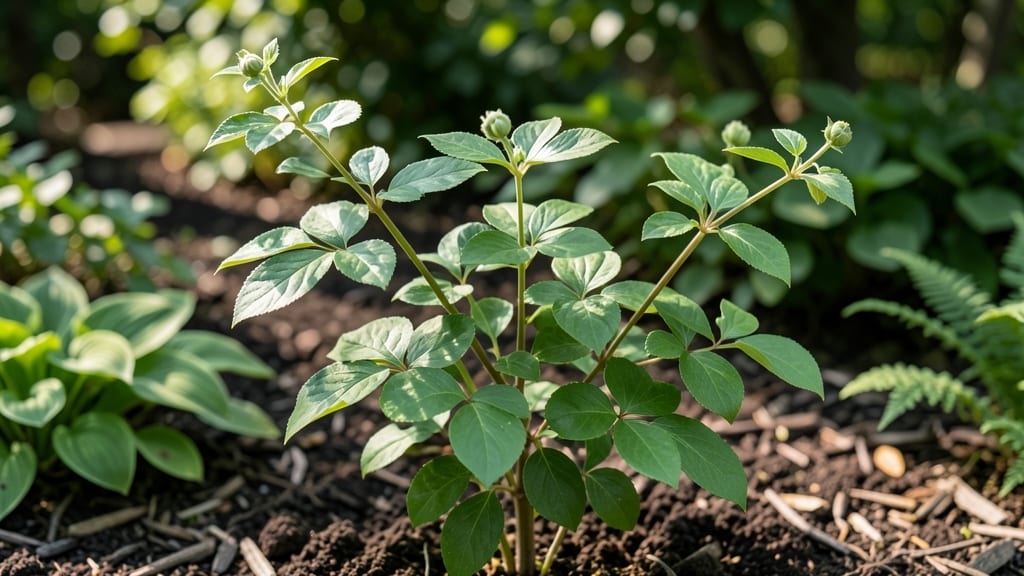
You can identify clematis by leaf—their shape and structure hold the key to unlocking the mystery of these climbing vines. 🌿 I’ve spent years untangling these vines, and the leaves alone tell you whether you’re dealing with Clematis montana (with its three-lobed, almost maple-like leaves) or Clematis viticella (sleek, elongated, and single-leafed).
The arrangement—opposite or alternate—narrows it down further.
Most clematis leaves grow in ternate clusters (three leaves per stem), but some, like Clematis armandii, have single, oval leaves that hug the vine. The edges can be smooth or serrated, and the size varies—some are palm-sized, others barely wider than your thumb.
These details matter because they dictate pruning needs and support structures (e.g., montana climbs aggressively, while viticella thrives on trellises).
Once you spot these leaf patterns, you’ll know which pruning group your clematis belongs to—Group 1 (no prune), Group 2 (light prune), or Group 3 (hard prune). The right cut means more blooms and fewer tangled messes.
For example, montana’s glossy, three-lobed leaves mean you’ll skip pruning entirely, while viticella’s narrow leaves signal a springtime trim to encourage summer flowers.
Pro tip: Compare leaves to a reference photo—clematis varieties can look deceivingly similar until you zoom in. This skill saves time when selecting plants or troubleshooting issues like leaf curl or mildew. Start with these leaf landmarks, and you’ll master clematis ID in no time.
Natural Variations in Leaf Shapes
Clematis plants exhibit a stunning diversity in leaf shapes, and understanding why these variations occur can help gardeners accurately identify clematis by leaf while appreciating their botanical complexity.
The differences often stem from a mix of genetic, environmental, and developmental factors. Let’s break down the key reasons behind these leafy distinctions.
🌱 Why some clematis leaves look radically different from others.The most fundamental reason for variations in clematis leaves lies in their genetic makeup. Clematis belongs to the Ranunculaceae family and includes over 300 species, each with unique leaf structures shaped by millennia of evolution. For example:
- Clematis montana features simple, elliptical leaves with smooth edges, while Clematis viticella displays deeply lobed, almost fern-like foliage.
- Clematis armandii has leathery, glossy leaves with serrated margins, adapted to its native subtropical climates.
- Clematis recta showcases palmately divided leaves (3–5 lobes), resembling a tiny maple tree.
These differences are hardwired into their DNA, much like how humans have distinct fingerprints. Hybrids (like the popular Clematis ‘Jackmanii’) may blend traits from parent species, resulting in intermediate leaf shapes. Pro tip: 💡 If you’re trying to identify clematis by leaf, compare your plant’s foliage to known species profiles—genetic differences are often the most reliable clue!
🌡️ How sunlight, water, and soil affect leaf development.Even within the same species, clematis leaves can change shape due to environmental stressors. These plants are highly responsive to their surroundings, and their foliage may adapt in ways that can confuse identification efforts. Key factors include:
| Factor | Effect on Leaves | Example |
|---|---|---|
| 🌞 Sunlight Exposure | Leaves may become smaller, thicker, and more lobed in full sun to reduce water loss, while shade-grown leaves tend to be larger and less divided. | A Clematis ‘Nelly Moser’ in partial shade might have broader lobes than one basking in direct sunlight. |
| 💧 Water Availability | Drought stress can cause leaves to curl, pucker, or develop irregular lobes, mimicking disease symptoms. | A Clematis ‘Perle d’Azur’ in dry soil may produce crinkled, lobed leaves instead of its usual smooth, rounded ones. |
| 🌿 Soil Nutrients | Nitrogen-rich soil promotes larger, softer leaves, while phosphorus deficiency can lead to dark, leathery foliage with stunted lobes. | A nutrient-deficient Clematis ‘Niobe’ might have smaller, deeply serrated leaves rather than its typical broad, toothed shape. |
Pro tip: 🌡️ To accurately identify clematis by leaf, observe the plant in its natural growing conditions. If leaves look “off,” check for environmental changes—your clematis might just be adapting, not sick!
⏳ How age and time of year alter leaf appearance.Clematis leaves aren’t static—they evolve as the plant matures and seasons shift. This can lead to temporary or permanent changes that might throw off identification:
- Juvenile vs. Mature Leaves: Young clematis plants often produce simpler, less lobed leaves as they focus energy on root and vine growth. As they mature (typically after 2–3 years), leaves may develop more complex divisions. For example, Clematis ‘Multibrancha’ starts with 3-lobed leaves but can develop 5–7 lobes as it ages.
- Seasonal Shifts: Spring growth is often lush and vibrant, with leaves emerging in their most “true” form. By summer, leaves may darken, thicken, or develop more pronounced lobes due to heat stress. In fall, some species (like Clematis ‘Henryi’) produce brighter, more lobed foliage before dormancy.
- Pruning Impact: Heavy pruning in late winter can stimulate new, smaller leaves with simpler shapes as the plant regrows. This is normal but can make identification tricky if you’re comparing to reference images of unpruned plants.
Pro tip: ✨ For the most reliable clematis identification by leaf, examine mature, mid-season foliage (late spring to early summer) when leaves are fully developed and least affected by stress.
By recognizing these natural causes—genetics, environment, and growth stages—you’ll gain a deeper appreciation for why clematis leaves vary and how to accurately identify clematis by leaf despite the differences. Next, we’ll explore how to distinguish healthy leaves from those affected by pests or diseases.
Quick Fixes for Leaf Issues
When your clematis leaves start looking off, acting fast can save your plant from stress, pests, or disease. Below are practical solutions tailored to common leaf problems—plus prevention tips to keep your clematis thriving. 🌿💚
Cause: Overwatering, nutrient deficiency, or fungal infections (like powdery mildew).
How to Treat It:
- 🔍 Check the soil: Stick your finger 1–2 inches deep. If it’s soggy, your clematis is drowning! Let the topsoil dry out before watering again.
- 🌱 Improve drainage: Mix compost or perlite into heavy soil to prevent waterlogging.
- 🍄 Fungal issues? Spray leaves with a baking soda solution (1 tsp baking soda + 1 quart water + a drop of dish soap) or use a neem oil spray (follow label instructions).
- 💡 Pro Tip: Yellowing only on older leaves? It’s likely normal aging—no action needed! But if new leaves are yellow, check for iron deficiency (use a chelated iron supplement).
Prevent Future Problems:
- Water at the base (not overhead) to avoid fungal spores splashing onto leaves.
- Mulch around the plant to regulate soil moisture.
Cause: Underwatering, salt buildup, or environmental stress (wind, heat).
How to Treat It:
- 💧 Hydrate properly: Water deeply 1–2 times per week (adjust for climate). Brown edges often mean thirsty roots!
- 🧼 Flush the soil: If your tap water is hard (high in salts), run a slow drip through the soil for 10 minutes to leach out buildup.
- 🌡️ Shield from extremes: Move potted clematis out of direct afternoon sun or use shade cloth in hot climates.
- ✂️ Trim damaged leaves: Snip off crispy edges with clean scissors to encourage new growth.
Prevent Future Problems:
- Use rainwater or filtered water if your area has hard water.
- Group clematis with other plants to create a microclimate that retains moisture.
Cause: Humid conditions, poor airflow, or splashing water.
How to Treat It:
- 🧴 Apply fungicide: Use copper fungicide or a hydrogen peroxide spray (3% solution, spray undersides of leaves).
- 🌬️ Improve airflow: Prune nearby plants to reduce humidity around clematis. Space vines 6–12 inches from walls/fences.
- 🔪 Remove infected leaves: Snip off spotted leaves and destroy them (don’t compost!). Sterilize pruners with rubbing alcohol.
- 🌅 Morning watering: Water early in the day so leaves dry by evening.
Prevent Future Problems:
- Avoid overhead watering—use drip irrigation or a soaker hose.
- Space plants 3–4 feet apart to prevent crowding.
Cause: Soft leaves attract slugs; dry conditions invite spider mites.
How to Treat It:
- 🐌 Slugs? Set up beer traps (bury a shallow dish filled with beer) or use iron phosphate bait (pet-safe).
- 🕷️ Spider mites? Blast leaves with water to knock them off, then spray with insecticidal soap (repeat every 5–7 days).
- 🌿 Natural predators: Introduce ladybugs or birds to your garden—they love eating pests!
- 💡 Pro Tip: Check leaf undersides daily for tiny webs (spider mites) or slimy trails (slugs).
Prevent Future Problems:
- Mulch with diatomaceous earth (food-grade) to deter slugs.
- Mist leaves occasionally to keep spider mites away.
Keep your clematis leaves healthy with this simple routine:
| Season | Task | Frequency |
|---|---|---|
| Spring | Fertilize with balanced 10-10-10 | Every 4–6 weeks |
| Summer | Mulch to retain moisture | Once after planting |
| Fall | Prune dead leaves & thin vines | Late autumn |
| Winter | Protect from frost (mulch heavily) | Before first freeze |
Final Thought: Most leaf issues are fixable with quick adjustments—just observe, act, and prevent! 🌱 With these steps, your clematis will bounce back with lush, vibrant foliage in no time.
Frequently asked questions
What's the easiest way to tell clematis apart from other vines like ivy or wisteria?
Look for the ternate leaf arrangement—most clematis grow in clusters of 3 leaves per stem (ternate), while ivy has palmately lobed leaves and wisteria has pinnate compound leaves. Clematis leaves also tend to be more divided or lobed than the smooth-edged leaves of similar vines.
Can I identify clematis by leaf if it's just a small seedling?
Yes! Even young clematis seedlings show key traits: ternate leaf clusters (3 leaves) and lobed edges. Compare to mature leaves—seedlings may have simpler shapes, but the arrangement (opposite or alternate) remains consistent. Use a magnifying glass for tiny details.
Why do some clematis leaves look completely different from reference photos?
Environmental factors like sunlight, water, or nutrients can alter leaf shape. For example, shade-grown leaves may appear larger and less lobed, while drought stress can cause curling. Check for consistent patterns—if all leaves on your plant match, it’s likely a natural variation, not a different species.
How do I distinguish between clematis species with similar leaves (e.g., montana vs. viticella)?
Compare leaf shape and size: Clematis montana has smooth, elliptical leaves (like a tiny maple), while viticella features deeply lobed, fern-like foliage. Also check growth habit—montana climbs aggressively, while viticella prefers trellises. Flower timing (spring vs. summer) helps too!
What should I do if my clematis leaves look diseased but I'm not sure?
Start with a leaf inspection: check for spots, holes, or unusual textures. Yellowing leaves with brown edges suggest overwatering or pests, while powdery white patches mean fungal infection**. Compare your plant to healthy reference photos—if unsure, consult a local nursery or extension service for a diagnosis.